
A Refreshed Look Without Surgery
A nonsurgical facelift is not one standardized procedure, but a general term for treatments that can refresh the face without the incisions and recovery associated with surgery. Options such as Botox, dermal fillers, lip augmentation, and chemical peels address different concerns, so a suitable plan depends on your anatomy, skin, and goals.
At Madison Plastic Surgery, these treatments are considered according to the specific change a patient wants to make. Botox can soften lines related to muscle movement, while fillers restore volume and peels work on the skin’s surface. The practice’s Non-Surgical Makeover brings options together where appropriate. As Cleveland Clinic explains, nonsurgical treatments generally provide shorter-term changes than surgery.
These treatments do not lift significant loose facial tissue or create the same degree of change as a surgical facelift. Results and duration vary, and every procedure carries potential risks. Dr. Robert M. Tornambe, certified by the American Board of Plastic Surgery, assesses whether a nonsurgical approach fits a patient’s concerns or whether another option merits discussion.
Options for Different Signs of Aging
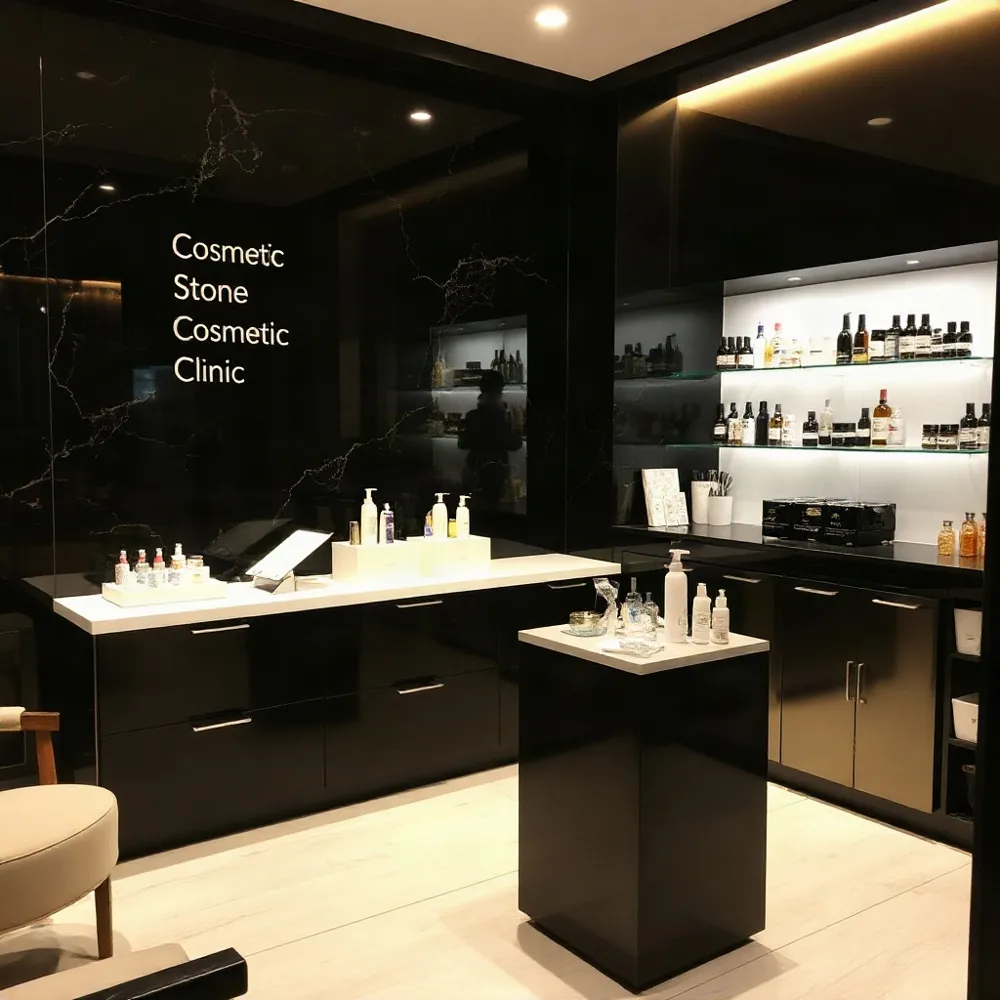 Nonsurgical facial rejuvenation can address expression lines, volume loss, thin lips, uneven tone, sun damage, and changes in skin texture, but each treatment works on a different concern. The options offered at Madison Plastic Surgery include Botox, dermal fillers, lip enhancement, and chemical peels.
Botox relaxes targeted muscles to soften lines that form with repeated expressions, such as forehead lines and crow’s feet. Fillers can restore volume or refine contours, while lip enhancement focuses on lip fullness. A chemical peel removes surface layers to improve the appearance of texture changes and sun-related spots.
These treatments are not interchangeable, and a treatment that suits one person may not suit another. They can refresh selected features, but they do not reposition loose facial tissue or create the same changes as a surgical facelift. Treatment effects and duration vary, and each option carries potential risks, which should be discussed before proceeding.
Dr. Robert M. Tornambe, certified by the American Board of Plastic Surgery, has practiced aesthetic surgery in New York City since 1988. He evaluates facial anatomy and goals before advising whether an injectable, skin treatment, or another approach is appropriate.
Dr. Tornambe’s less-is-more philosophy favors selecting treatments for the concern at hand rather than trying to address every sign of aging with one procedure. An assessment can clarify likely benefits, limitations, recovery, and risks. Book a private consultation with Dr. Tornambe at 815 Park Avenue or call (212) 628-7600.
Botox and Fillers Address Different Concerns
Botox relaxes selected facial muscles to soften expression-related lines, while dermal fillers add volume or support beneath the skin. They may be considered separately or together, depending on the concern, facial anatomy, and a patient’s goals.
At Madison Plastic Surgery, Botox and dermal fillers are among the nonsurgical options Dr. Robert M. Tornambe offers. As a surgeon certified by the American Board of Plastic Surgery, he has practiced aesthetic surgery in New York City since 1988 and personally sees patients from consultation through recovery. His less-is-more approach favors selecting treatment according to the individual rather than treating every line or change in volume.
Botox is generally used for lines linked to muscle movement, such as forehead lines or crow’s feet. Fillers can replenish volume in areas such as the cheeks or lips and soften some folds. The treatments work differently, so one is not a substitute for the other. Madison’s available fillers include products such as Juvéderm, Voluma, and Restylane; the choice of product and placement depends on the area and the desired degree of change.
A clinician may recommend one treatment or consider both when separate concerns are present. A review of nonsurgical facial treatments describes how different modalities can address distinct contributors to facial aging, while emphasizing that treatment selection depends on anatomy, goals, and an understanding of risks (medical review). Combining injectables is not automatically appropriate, and neither can correct substantial loose skin in the way surgery may. For some patients, Dr. Tornambe’s Hybrid Solution combines surgical and nonsurgical rejuvenation, with the plan based on individual needs.
Both treatments are temporary, and how long effects last varies with the product, treatment area, and individual; possible effects include bruising, swelling, redness, or asymmetry, and uncommon but serious complications can also occur. Discuss expected benefits, limitations, and risks with a qualified clinician before deciding. Dr. Tornambe, a New York Magazine Best Doctor, brings decades of experience to every consultation. Book a private consultation with Dr. Tornambe at 815 Park Avenue, or call (212) 628-7600.
When Nonsurgical Treatment Is Not Enough
 Injectables can soften selected lines or restore lost volume, but they cannot lift sagging jowls or tighten loose skin. When laxity is more pronounced, a facelift addresses the sagging facial tissue more directly.
Using excess filler to disguise loose skin can make the lower face look overly full rather than refreshed. Fillers add volume and may soften nearby folds, while Botox relaxes targeted muscles; neither replaces the structural correction of surgery. The American Society of Plastic Surgeons distinguishes these approaches and advises that treatment choice reflect a person’s needs and goals.
Surgery is a consideration, not an automatic next step. Assessment should take account of the degree and cause of laxity, the change a patient hopes to see, and their willingness to accept surgical recovery. A MACS mini-facelift may suit some patients with earlier lower-face changes, but candidacy depends on individual anatomy and goals.
Dr. Robert M. Tornambe, certified by the American Board of Plastic Surgery and practicing aesthetic surgery in New York City since 1988, personally sees patients from consultation through recovery. His Hybrid Solution combines surgical and nonsurgical rejuvenation when appropriate; the specific plan depends on an individual assessment. Every treatment has risks, and results vary.
Book a private consultation with Dr. Tornambe at 815 Park Avenue or call (212) 628-7600.
Peels Treat the Skin Surface
 Chemical peels work on the skin’s surface, exfoliating outer layers to improve concerns such as uneven tone, sun damage, rough texture, enlarged pores, and some fine lines. They may be considered at different ages, but suitability depends on skin condition, health history, goals, and the peel’s strength.
A peel is not interchangeable with injectables. Botox acts on muscle activity associated with expression lines, while dermal fillers add volume or support beneath the skin. A peel instead treats the surface; the depth of treatment and resulting recovery depend on the approach selected. Peels and laser treatments are distinct options whose choice depends on the concern and individual skin.
At Madison Plastic Surgery, chemical peels are among the nonsurgical options offered by Dr. Robert M. Tornambe, a plastic surgeon certified by the American Board of Plastic Surgery. Dr. Tornambe, who has been practicing in NYC since 1988 and is a New York Magazine Best Doctor, applies his less-is-more approach to match treatment to a patient’s anatomy and goals rather than treating every concern with the same method.
More than one treatment may be needed to reach a desired improvement, and there is no universal schedule that suits everyone. Redness, peeling, irritation, or other effects may occur, while the depth of a peel can affect healing time and risk. Results and recovery vary, so the clinician should explain the proposed treatment and aftercare before proceeding.
Age alone does not determine whether a peel is appropriate. A clinician should consider the skin itself, medical history, treatment goals, and peel strength. Anyone with active acne, cold sores, eczema, psoriasis, a rash, burns, or unusual skin growths should discuss the condition with a healthcare provider before treatment.
A consultation can clarify whether a peel fits the concern or whether another approach is more appropriate. Book a private consultation with Dr. Tornambe at 815 Park Avenue, or call (212) 628-7600.
Choosing a Plan and Understanding Costs
The right nonsurgical plan depends on your facial anatomy, skin condition, concerns, goals, health history, and willingness to maintain results. No single treatment suits everyone, so the consultation should clarify what each option can and cannot address before you decide.
At Madison Plastic Surgery, Dr. Robert M. Tornambe personally sees patients from consultation through recovery. Certified by the American Board of Plastic Surgery and practicing in New York City since 1988, he brings a less-is-more approach to matching treatment choices with each patient’s features and aims.
The cost of nonsurgical facial rejuvenation varies with the treatments selected, the areas treated, the amount of product or treatment needed, and whether the plan includes more than one procedure. Botox may be planned by area or units, while filler planning generally reflects the number of syringes used. A consultation can review the proposed plan and its costs without assuming that more treatment is better.
Cost is only one consideration. Provider qualifications, possible side effects, treatment limits, and the likelihood of repeat visits also matter; results and their duration vary by person and procedure. Dr. Tornambe was named a New York Magazine Best Doctor, a recognition readers can consider alongside a direct discussion of their own needs and risks.
Patients comparing nonsurgical care with surgery can also discuss whether a combined approach fits their goals. Dr. Tornambe’s Hybrid Solution combines surgical and nonsurgical rejuvenation, but the appropriate plan depends on individual assessment.
To review options and costs in person, book a private consultation with Dr. Tornambe at 815 Park Avenue.
A Considered Route to Rejuvenation
Nonsurgical treatments can refresh selected features, but their benefits and limits vary, and they cannot reproduce the correction surgery may offer for significant skin laxity. A discussion with Dr. Robert M. Tornambe, certified by the American Board of Plastic Surgery, can help align your goals with realistic expectations for risks, recovery, and ongoing maintenance.
Book a private consultation with Dr. Tornambe at 815 Park Avenue, or call (212) 628-7600.