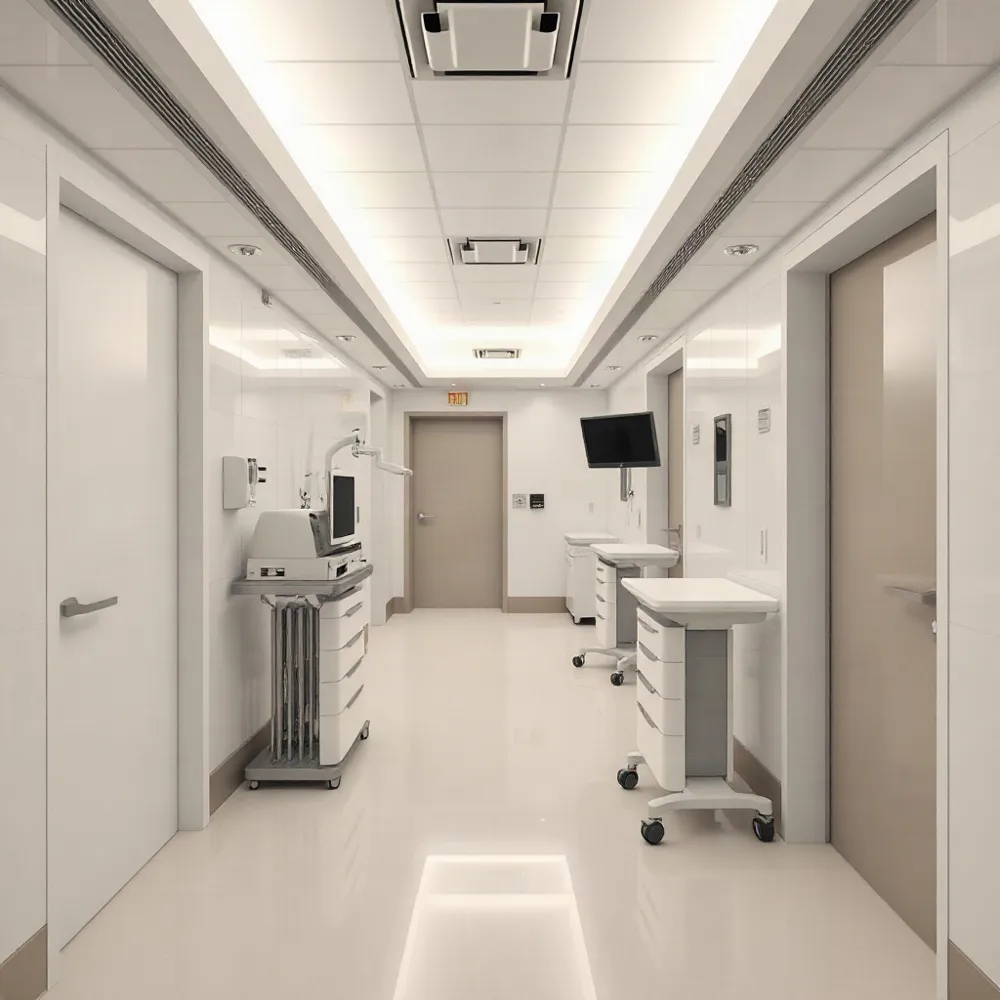
Safety Beyond the Surgeon
Choosing a cosmetic surgeon is only part of planning for surgery. The facility matters too: its staff, equipment, and ability to respond to an emergency all contribute to the care environment. Accreditation is one useful consideration alongside the surgeon’s qualifications and your individual health needs. At Madison Plastic Surgery, personalized care and surgical planning are part of a boutique approach focused on natural-looking results.
Surgery may take place in a hospital, an ambulatory surgery center, or an office-based surgical suite. The address alone does not establish whether a setting is appropriate. Ask about the specific facility’s standards, anesthesia support, monitoring, and emergency readiness. For New York office-based practices, state rules require accreditation when procedures involve more than mild sedation; patients can consult the New York State directory of accredited office-based surgery practices.
Accreditation involves an external review of a facility against defined standards, and maintaining it calls for continued attention to policies and care processes. It is not a guarantee of a particular surgical outcome, nor does it replace an assessment of the surgeon or the proposed procedure. It is one part of an informed discussion about where care will take place.
What Facility Accreditation Means
 Facility accreditation is an external assessment of a healthcare setting against standards established by an accrediting organization. The review may include an inspection and a check of policies, procedures, and records. Requirements vary by accreditor and by the type of facility.
For outpatient surgery, standards can address whether the facility has qualified staff, suitable equipment, sanitary operating and recovery areas, and processes to support safe, consistent care. These may include patient assessment, medication management, and infection control, areas covered in The Joint Commission’s ambulatory surgery center standards.
Accreditation applies to the facility, not simply to the surgeon. It does not establish a particular surgeon’s qualifications or promise an individual result. Patients should consider facility oversight alongside the surgeon’s credentials and the plan for their procedure. At Madison Plastic Surgery, individualized care and attention to natural-looking results are part of planning treatment, while facility status remains a separate point for patients to confirm.
Accreditation is also distinct from state licensure and Medicare certification. Which requirements apply depends on the procedure, setting, and jurisdiction. In New York, for example, physician offices performing surgery or invasive procedures with more than mild sedation must obtain accreditation; patients can consult the state’s office-based surgery practice directory. Ask which organization assessed the specific facility and whether its status is current.
Safety Systems in Practice
 Accreditation can contribute to safety by requiring a facility to meet standards across the care environment, not just the operating room. Depending on the accreditor and setting, a review may examine staff qualifications, anesthesia arrangements, equipment, patient monitoring, sanitation, and written procedures for responding to emergencies.
Those standards may also address infection prevention, fire safety, and building requirements. Facilities are expected to have trained personnel and suitable equipment available for emergencies, while inspections and quality-assessment processes can help identify gaps and prompt changes to policies or daily practice. These processes support oversight, but they do not assure a particular clinical result.
For context, the American Society of Plastic Surgeons reports serious-complication rates below 0.5% and mortality rates below one in 57,000 for plastic surgery performed by board-certified plastic surgeons in accredited ambulatory facilities. These figures describe a group, not an individual patient’s risk, and should not be read as a prediction or guarantee. The ASPS facility-safety guidance also underscores that patients should verify the setting where their procedure will take place.
At Madison Plastic Surgery, personalized care and natural-looking outcomes are part of planning, but safety decisions also depend on the proposed procedure and the patient’s health. Ask which organization accredits the specific facility, what its standards cover, who will provide anesthesia, and how the team would respond to an emergency. Accreditation is one consideration alongside the surgeon’s qualifications and whether the setting is appropriate for your needs.
In New York, physician offices performing surgical or invasive procedures with more than mild sedation must obtain accreditation, and the state offers a directory of accredited office-based surgery practices for patients checking a practice’s status.
Accreditation Programs and Settings
Accreditation programs are not interchangeable. Their scope and requirements depend on whether a facility is an ambulatory surgery center (ASC), an office-based surgical suite, or another type of health-care setting. For patients considering Madison Plastic Surgery, personalized care and natural-looking goals are part of the consultation, while the facility’s accreditation is a separate detail to verify.
The organizations patients may encounter include AAAHC, The Joint Commission, QUAD A, and the Accreditation Commission for Health Care (ACHC). AAAHC accredits ASCs and other health-care settings, while The Joint Commission covers settings such as ASCs and office-based surgical suites. QUAD A offers separate programs for ASCs and office-based surgery. HFAP is now part of ACHC. These different scopes mean the appropriate program depends on the setting and services provided, not simply the procedure’s name. AAAHC’s ASC program focuses on ambulatory surgery centers.
In New York, the state recognizes these four organizations for office-based surgery practices. That is a state-specific list, not a complete nationwide directory; New York’s office-based surgery resources also include a searchable directory. State and regional accreditors may be relevant elsewhere, and applicable medical-board approval or local requirements can help clarify whether a program is appropriate. Madison Plastic Surgery’s individualized approach does not establish a facility’s accreditation status, so patients should ask which organization accredited the specific location where surgery will take place. For more on how setting affects accreditation, see accreditation programs and settings.
How Patients Can Verify a Facility
 Ask the surgeon for the facility’s full name and street address, the organization that accredited it, and its current accreditation status. Then check those details directly with the accreditor or in an official directory, rather than relying on a website or brochure. Confirm that the listing covers the exact location where your procedure is planned, not another office or facility.
New York patients can search the state’s directory of accredited office-based surgery practices by county. The state notes that accreditation is distinct from regulation: it is one way to promote consistent standards and patient safety, not a substitute for understanding the facility’s specific oversight.
Ask when the facility was last surveyed and what its procedures cover for anesthesia, infection prevention, patient monitoring, and urgent complications. Madison Plastic Surgery’s approach centers on personalized care and natural-looking results, so patients can discuss how the planned setting and care arrangements fit their procedure and recovery needs.
If you will recover at a separate post-surgical facility, verify whether that location is accredited or licensed as well. Ask about staff coverage, emergency equipment and medication, and the plan for transferring a patient to a hospital if needed. A clear answer helps you assess the full care pathway, not only the operating room.
A current listing is a useful starting point, but it does not guarantee a particular outcome. Confirm status with the accreditor and raise any unanswered questions with your surgical team before scheduling.
Maintaining Accreditation Over Time
Accreditation is not a permanent label. Facilities must continue to meet the standards of their accrediting program and keep relevant policies and records current. Ongoing review can prompt organizations to assess procedures and improve quality practices, but survey schedules differ among programs. A review of health care accreditation describes external assessments as occurring at intervals that often vary by program and organization, rather than setting one schedule for every facility (health care accreditation review).
Maintaining standards means continued attention to qualified staff, equipment, sanitation, patient care, and readiness to respond to emergencies. Patients can ask when the facility was last surveyed, whether its accreditation remains current, and which organization conducted the review. These questions add useful context when considering a practice such as Madison Plastic Surgery, where care is personalized and aesthetic goals emphasize natural-looking results.
Accreditation is distinct from state licensing and Medicare requirements, which depend on the setting and applicable rules. In New York, office-based practices performing certain procedures with more than mild sedation must be accredited, and the state maintains a directory of accredited practices. Patients can also review how accreditation is maintained over time.
An Informed Choice
Accreditation is a useful part of a safety discussion, but it does not replace assessing a surgeon’s qualifications, understanding procedure-specific risks, or considering your health and recovery needs. The American Society of Plastic Surgeons’ facility guidance also distinguishes the standards of a surgical setting from the choices patients make about their care.
Before scheduling, confirm the exact location where surgery and recovery will take place, check its current accreditation or other applicable status, and ask how staff handle monitoring and emergencies. In New York, patients can consult the state’s directory of accredited office-based surgery practices. Discuss with your surgeon whether the setting suits the planned procedure and your individual needs.
At Madison Plastic Surgery, conversations about surgical care can reflect the practice’s focus on personalized treatment and natural-looking results. Careful questions and verification help you make an informed choice, while no accreditation or planning process can promise a particular outcome.