Introduction to Cosmetic Surgery Safety Standards and Accreditations
The Importance of Safety in Cosmetic Surgery
Ensuring the highest standards of safety is paramount in cosmetic surgery. This commitment safeguards patients from potential risks such as infection, adverse anesthesia reactions, and procedural complications. High safety standards also preserve the integrity and natural aesthetic outcomes which discerning patients expect.
Role of Accreditations in Patient Safety
Accreditations by recognized organizations like the American Board of Plastic Surgery and the American Association for Accreditation of Ambulatory Surgery Facilities serve as critical benchmarks for safety. These certifications endorse that surgeons possess rigorous training and operate within meticulously inspected facilities that follow strict protocols, thus enhancing the quality and security of cosmetic procedures.
Context Within United States and Madison Plastic Surgery
In the U.S., cosmetic surgery safety is underpinned by comprehensive certification systems and regulatory oversight that prioritize patient well-being. Madison Plastic Surgery exemplifies this ethos by adhering to these rigorous standards, ensuring patients receive expert care in accredited environments staffed by qualified professionals, fostering confidence and superior surgical mastery.
Key Facts on Cosmetic Surgery Safety and Procedures
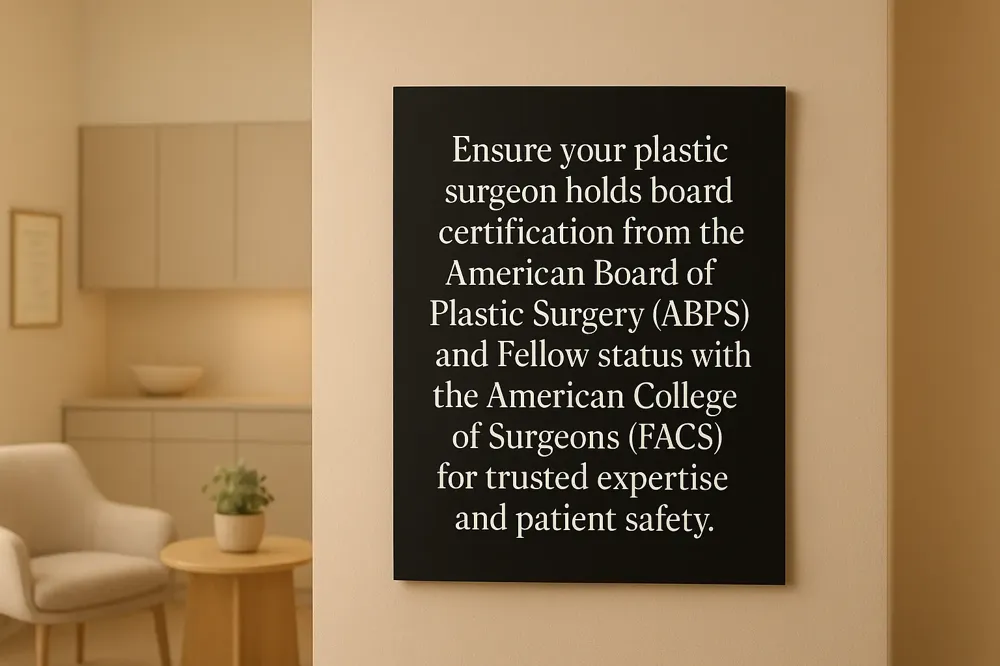
- Plastic surgeons should have board certification from the American Board of Plastic Surgery (ABPS) and preferably Fellow status with the American College of Surgeons (FACS) to demonstrate expertise and ethical standards.
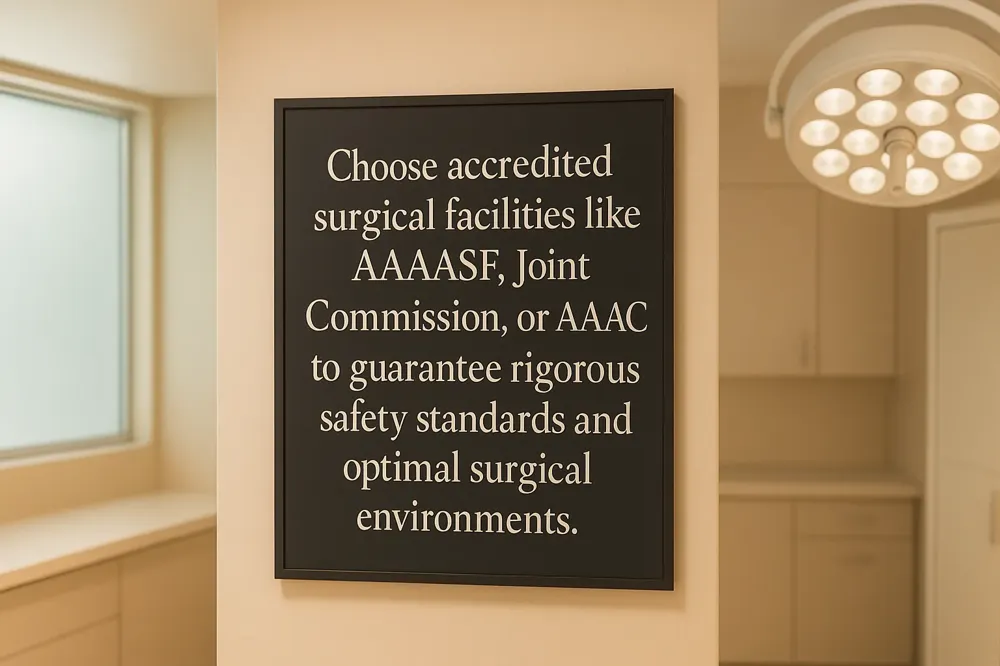
- Surgical facilities must be accredited by organizations such as AAAASF, Joint Commission, or AAAHC to ensure rigorous safety, sanitation, and emergency preparedness standards.
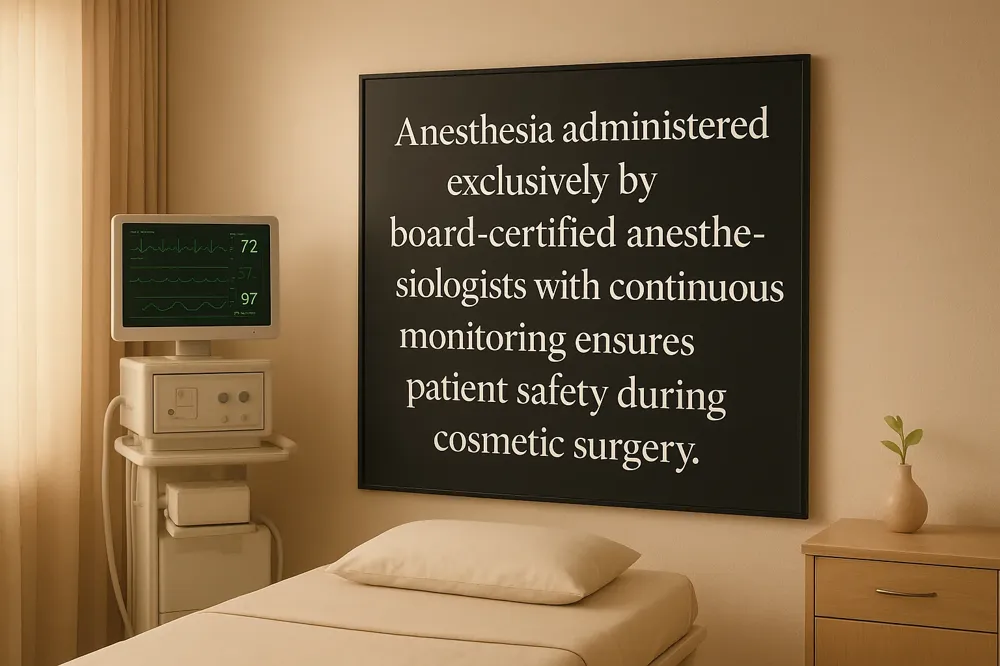
- Anesthesia in cosmetic surgery must be administered exclusively by board-certified anesthesiologists with continuous monitoring by trained registered nurses to minimize risks.
- The surgical safety checklist includes briefing, sign-in, time-out, sign-out, and debriefing steps that substantially reduce complications by improving team communication and accountability.
- Comprehensive preoperative evaluation, informed consent, pre- and postoperative care, and open communication are crucial to minimize risks and ensure elegant, natural surgical outcomes.
- Common cosmetic surgical procedures include breast augmentation, liposuction, rhinoplasty, facelifts, eyelid surgery, and tummy tucks, focusing on natural, individualized aesthetic improvements.
- Aesthetic and minor cosmetic procedures like Botox, dermal fillers, chemical peels, and laser therapies offer minimally invasive enhancements with quick recovery and strong safety profiles.
- ABPS certification requires completion of minimum 3 years in general surgery residency plus 2 years in plastic surgery residency and passing comprehensive board exams.
- QUAD A accreditation represents the gold standard for cosmetic surgery facility accreditation, signifying compliance with national/international surgical and safety standards.
- Common surgical risks include bleeding, infection, anesthesia reactions, blood clots, pneumonia, and postoperative shock, but are greatly reduced with proper protocols and experienced surgeon teams.
1. Board Certification by Recognized Medical Boards
What accreditation should a plastic surgeon have?
A plastic surgeon should hold board certification from the American Board of Plastic Surgery (ABPS), recognized as the gold standard in the United States for plastic surgery training and evaluation. This certification confirms that the surgeon has completed rigorous, accredited training programs and has passed demanding written and oral exams, demonstrating high levels of competence and safety in both cosmetic and reconstructive surgery.
What certifications should a plastic surgeon have to demonstrate competence?
Beyond ABPS board certification, surgeons may hold the Fellow of the American College of Surgeons (FACS) designation, which signifies peer recognition of surgical skill, professionalism, and ethical standards. The combination of ABPS certification and FACS status ensures the surgeon maintains ongoing education, practice improvement, and a commitment to exemplary patient care.
What is the difference between MD and FACS?
An MD is the foundational medical degree enabling a physician to practice medicine after medical school and residency. The FACS is an honorary fellowship awarded to surgeons who meet strict criteria involving surgical proficiency, ethical conduct, and dedication to patient safety. Surgeons holding both MD and FACS credentials demonstrate formal medical education combined with recognized surgical excellence and adherence to high ethical standards.
What are the requirements for the American Board of Plastic Surgery certification?
Candidates must complete a minimum of three years in an accredited general surgery residency and two years in an accredited plastic surgery residency. Following training, surgeons must successfully pass comprehensive written and oral board examinations assessing surgical knowledge, judgment, and technical skill. This voluntary certification reflects dedication to patient safety, ethical practice, and superior surgical care.
Is ABPS certification worth obtaining for plastic surgeons?
Absolutely. ABPS certification distinguishes surgeons who meet stringent education and ethical criteria. It reassures patients that their surgeon has attained specialized expertise and adheres to best practices promoting optimal outcomes and safety. This credential enhances professional reputation and fosters patient confidence, vital for those seeking natural, sophisticated aesthetic results.
Selecting a plastic surgeon with ABPS board certification and preferably FACS status ensures you are under the care of a highly trained, ethically committed professional. Verifying these credentials is foundational to achieving safe, refined, and personalized cosmetic surgery outcomes that restore confidence and elegance.
2. Accreditation of Surgical Facilities for Optimal Patient Safety
Why is it essential to choose accredited surgical facilities?
Selecting an accredited surgical facilities is foundational to ensuring patient safety in cosmetic surgery. Renowned accreditation organizations like the American Association for Accreditation of Ambulatory Surgery Facilities (AAAASF), the Joint Commission, and the Accreditation Association for Ambulatory Health Care (AAAHC) rigorously evaluate surgical centers against comprehensive safety and quality benchmarks.
What standards do these accreditations guarantee?
These accreditation bodies mandate strict compliance with sanitation protocols, ensuring sterile surgical environment imperative to minimize infections. Moreover, they require all staff to possess verified qualifications and training relevant to cosmetic surgical support roles. Emergency preparedness is another critical criterion, dictating the presence of advanced life support equipment and well-rehearsed protocols for urgent situations.
Facilities undergo frequent inspections and must maintain detailed policy documentation to demonstrate ongoing adherence to high safety standards. This commitment to consistent oversight and documentation ensures that patients receive care in environments optimized for their safety.
How does accreditation relate to surgeon and facility competence?
The American Board of Cosmetic Surgery (ABCS) stipulates that all certified surgeons perform procedures exclusively in accredited facilities. Such requirements ensure the surgical environment is aligned with the surgeon's expertise and patient safety objectives.
Hospital privileges further signify that a surgeon’s skills and professional conduct have been evaluated and deemed competent by medical peers, providing an additional layer of patient protection.
What are the specific benefits of QUAD A accreditation?
QUAD A accreditation, granted by the American Association for Ambulatory Surgical Facilities, is recognized as the gold standard in cosmetic surgery facility accreditation. QUAD A-certified centers demonstrate comprehensive compliance with both national and international Cosmetic surgery standards covering surgical equipment, facility operations, personnel expertise, and surgeon credentials.
This accreditation not only reassures patients of superior safety but also signifies a facility’s commitment to maintaining exemplary surgical care standards.
What accreditation should a plastic surgeon have?
In addition to board certification, it is imperative that surgeries are performed in accredited surgical facilities. Recognized accreditations such as AAAASF, Joint Commission, or AAAHC assure adherence to critical health, sanitation, emergency readiness, and operational standards that protect patients throughout the cosmetic surgical journey.
These accreditations collectively elevate patient confidence, minimizing risks and optimizing outcomes in cosmetic surgery.
3. Rigorous Anesthesia Safety Standards
Anesthesia Administered Exclusively by Board-certified anesthesiologists
A fundamental pillar of cosmetic surgery safety is that anesthesia is administered solely by board-certified anesthesiologists. These highly trained specialists possess extensive education and certification, ensuring expertise in managing anesthesia tailored to each patient's specific medical and procedural needs. Their role is critical in minimizing risks associated with anesthesia, which may include adverse reactions or respiratory complications.
Continuous Monitoring by Trained Registered Nurses
Alongside the anesthesiologist, registered nurses with specialized training provide continuous patient monitoring throughout the surgical procedure. They vigilantly observe vital signs such as heart rate, oxygen saturation, and blood pressure, facilitating immediate detection and intervention in any sign of instability. This team approach enhances patient safety by maintaining stable anesthesia levels and rapid response capability.
Importance of Matching Anesthesia Type to Procedure Complexity and Patient Health
Anesthesia protocols are individualized by carefully considering the complexity of the cosmetic procedure and the patient's overall health status. For less invasive procedures, local anesthesia with sedation may suffice, while more extensive surgeries require general anesthesia. This tailored approach reduces unnecessary exposure to risks and improves patient comfort and recovery.
Anesthesia Safety as an Integral Part of Overall Surgical Safety
Anesthesia safety is not an isolated component but integral to the comprehensive safety framework of cosmetic surgery. It demands rigorous adherence to protocols, sterile technique, emergency preparedness, and coordination among the surgical team to effectively prevent complications and ensure a stable perioperative environment.
Experience and Certification Credentials of Anesthesia Teams at Top Practices
Leading cosmetic surgery centers prioritize anesthesiology teams that hold advanced certifications, often including subspecialty training in anesthesia for plastic surgery. These professionals typically have decades of experience and maintain ongoing training to keep pace with evolving anesthesia standards and technologies, reflecting a commitment to the highest levels of patient safety and care quality.
4. Implementation of Surgical Safety Checklists and Protocols
What are the components and steps of the surgical safety checklist steps?
The surgical safety checklist comprises five integral steps designed to optimize communication and patient safety throughout the procedure. It begins with a briefing, where the surgical team prepares and aligns on the plan. The Sign-In occurs before administering anesthesia, verifying patient identity, surgical site, and readiness to proceed. Just prior to incision, the Time-Out ensures confirmation of the procedure, patient details, and equipment availability. After surgery, the Sign-Out step involves verifying instrument and sponge counts to avoid retained items and reviewing any critical concerns. Finally, a debriefing facilitates reflective discussion among the team to identify areas for improvement and reinforce safety measures.
How is compliance with the surgical safety checklist improved, and why is it important?
Effective compliance, particularly during the Sign-Out phase, is reinforced through targeted education and standardized training of surgical personnel. Emphasis on accurate counting procedures and multidisciplinary participation creates accountability that reduces human error. High adherence to checklist protocols has been shown to substantially lower surgical complications and mortality by fostering a robust culture of safety and ensuring critical steps are not overlooked. This vigilance is essential to achieving optimal patient outcomes, mitigating risks, and maintaining trust in cosmetic surgery practices.
Patients seeking cosmetic procedures are encouraged to engage their surgeons in discussions regarding the use of surgical safety checklists. Awareness and transparency about these protocols not only empower patients but also affirm the surgical team’s commitment to exemplary safety standards and surgical mastery.
5. Comprehensive Preoperative and Postoperative Patient Care and Communication
Thorough medical evaluations for suitability
A critical initial step in ensuring patient safety in cosmetic surgery and surgical success is conducting medical evaluations for surgery. These assessments confirm the patient’s overall health, identify any preexisting conditions, and evaluate lifestyle factors such as smoking, which can increase surgical risks. Surgeons rely on this process to tailor procedures to individual needs and mitigate potential complications.
Informed consent explaining risks, benefits, expectations
Obtaining informed consent in cosmetic surgery is paramount; it involves transparently explaining the surgical procedure, potential benefits, and all associated risks. Patients are guided to set realistic expectations regarding outcomes and recovery times, fostering confidence and partnership in the surgical journey.
Preoperative instructions like smoking cessation and medication adjustments
Preoperative instructions encompass instructions such as discontinuing certain medications that may increase bleeding risk and ceasing smoking well before surgery. Such measures reduce intraoperative and postoperative risks, enhancing recovery prospects.
Postoperative care protocols including medications, activity restrictions, follow-up
After surgery, adherence to postoperative care protocols is vital. This includes medication regimens to control pain and prevent infection, activity restrictions to promote healing, and scheduled follow-up visits for monitoring progress. Continuous postoperative support ensures early detection and management of any complications.
Open communication for realistic goals and continuous support
Effective communication between patient and surgeon underpins a successful outcome. Discussing medical history, surgical goals, and progress openly helps adjust care plans as necessary and maintains trust throughout the recovery phase.
Role in minimizing complications and ensuring refined results
Together, thorough evaluations, informed consent, disciplined pre- and postoperative care, and transparent communication minimize risks such as infection prevention in surgery, scarring, and anesthesia reactions. This comprehensive approach promotes safe recovery after surgery and the achievement of elegant, natural-looking aesthetic results.
Common risks and complications associated with surgery
Bleeding, infection, and adverse reactions to anesthesia remain the most common surgical risks. Additional concerns include blood clots, pneumonia, urinary complications, and postoperative shock. These risks are significantly lowered when patients undergo proper assessments and follow detailed postoperative monitoring guided by experienced board-certified surgeon teams following established cosmetic surgery safety protocols.
Common Cosmetic Surgical Procedures
What are common cosmetic surgical procedures?
Common cosmetic surgical procedures include breast augmentation, liposuction, rhinoplasty, facelifts, eyelid surgery (blepharoplasty, and tummy tucks. Breast augmentation enhances the size and shape of the breasts to restore or create balance and proportion.
Liposuction sculpts the body by removing localized fat deposits, improving body contours for a more refined silhouette. Rhinoplasty reshapes the nose, correcting structural concerns or refining aesthetic harmony with facial features.
Facelifts address sagging skin and soft tissues to rejuvenate the face, delivering a natural, youthful contour. Eyelid surgery (blepharoplasty) refreshes the eye area by removing excess skin and fat, enhancing an alert and rested appearance.
Tummy tucks (abdominoplasty) remove excess abdominal skin and tighten underlying muscles to restore a firm abdominal profile. Other sought-after procedures include breast lifts, which elevate and reshape breasts; buttock enhancements for improved volume and contour; and arm lifts to reduce sagging skin.
These procedures focus on subtle, elegant enhancements tailored to each client’s anatomy and aesthetic goals. The aim is natural results that restore youthful harmony and confidence while respecting individual beauty.
Aesthetic and Minor Cosmetic Procedures
What are aesthetic and minor cosmetic procedures?
Aesthetic and minor cosmetic procedures encompass a range of minimally invasive treatments designed to subtly enhance a person's natural appearance without the need for major surgery. These include Botox injections, which effectively smooth dynamic wrinkles by temporarily relaxing facial muscles, dermal fillers that restore youthful volume and contour, chemical peels that improve skin texture and tone, and laser therapies targeting pigmentation irregularities or unwanted hair.
Such treatments prioritize natural-looking outcomes tailored to individual aesthetic goals. They offer the advantage of reduced downtime and minimal discomfort, allowing patients to quickly resume daily activities. Conducted typically in accredited clinical settings by experienced professionals, these procedures maintain a strong safety profile when performed with sterile techniques and FDA-approved products and cosmetics.
In addition to delivering refined enhancements with a focus on subtlety, these interventions are favored for their convenience and lower risk compared to surgical alternatives. Patients appreciate the combination of effective rejuvenation results alongside a swift, safe recovery process, reinforcing their role in comprehensive aesthetic care tailored to discerning clients seeking sophistication and confidence restoration.
Conclusion: Prioritizing Safety Through Accredited Expertise and Protocols
Ensuring Absolute Safety in Cosmetic Surgery
Adhering to five essential safety standards—board certification, accredited surgical facilities, thorough patient evaluation, anesthesia safety, and sterile environments—is fundamental for optimal outcomes.
Selecting board-certified surgeons from recognized bodies such as the American Board of Plastic Surgery guarantees extensive specialized training and surgical mastery.
Equally important is choosing accredited facilities endorsed by agencies like AAAASF or The Joint Commission, which uphold rigorous health, safety, and emergency protocols.
Open, transparent communication between patient and surgeon fosters trust, sets realistic expectations, and ensures personalized care tailored to individual goals.
Comprehensive preoperative evaluation and diligent postoperative follow-up reinforce patient safety, facilitating natural-looking enhancements and confident recoveries.
This integrated commitment to expertise, infrastructure, and compassionate care embodies the gold standard in luxury cosmetic surgery, reassuring patients that their safety and satisfaction are paramount.