Prioritizing Expertise and Safety in Your Aesthetic Journey
Selecting a cosmetic surgery practice requires more than a casual search. It demands a commitment to finding a surgeon whose technical mastery and aesthetic vision align with your personal goals. At madisonps.com, we believe that luxury is defined by the quality of care, beginning with a board-certified plastic surgeon who prioritizes your long-term success and safety over volume.
True patient-centered care is rooted in transparency. Unlike practices that rely on aggressive sales tactics or generic approaches, a sophisticated practice focuses on your unique anatomy and health profile. Reputable centers operate in accredited facilities, which adhere to strict standards for equipment, emergency preparedness, and personnel vetting. This environment maintains complication rates lower than 0.5% and ensures that patient comfort remains the primary focus throughout the entire journey.
Vigilance is your most effective tool for preventing adverse outcomes. By researching a surgeon's specific expertise and confirming their ability to manage surgical risks, you ensure a refined outcome. A professional practice avoids the pitfalls of fragmented care by offering consistent, surgeon-led evaluations that foster trust, restore confidence, and provide results that stand the test of time.
Essential Patient Safety and Aesthetic Excellence Standards
- Board certification by the American Board of Plastic Surgery is the gold standard for verifying specialized training.
- Ghost surgery involves a patient being misled about the identity of their operating surgeon.
- Accredited facilities like AAAASF or QUAD A maintain complication rates below 0.5 percent.
- The World Health Organization surgical safety checklist is essential for mitigating clinical errors and ensuring synchronization.
- Reputable surgeons provide a transparent, all-inclusive quote covering the professional fee, anesthesia, and facility costs.
- Avoid practitioners who utilize high-pressure sales tactics, such as limited-time today-only discounts.
- Comprehensive surgical consultations should last between 45 and 90 minutes to ensure an accurate, customized plan.
- Always independently verify a surgeon's credentials through the American Society of Plastic Surgeons.
- A surgeon should provide a portfolio showing consistent results on similar body types to yours.
- Patients must disclose all supplements and medical history to ensure surgeons can mitigate risks with precision.
1. Unauthorized or Ghost Surgeon Substitutions
 The emergence of ghost surgery practices represents a significant breach of professional trust in the aesthetic industry. This phenomenon occurs when a patient is misled into believing their procedure will be performed by a highly visible or widely marketed surgeon, only to find that another, often less experienced practitioner, performs the actual operation. At madisonps.com, every surgical plan is executed strictly by the primary surgeon, ensuring that the specific expertise discussed during your initial consultation is the same talent utilized in the operating room.
A primary safeguard against this practice is the requirement for a direct, in-person consultation with the actual operating surgeon well before the day of your procedure. Experts caution that the surgeon who conducts your evaluation must be the person who holds the scalpel. If a clinic insists on a process where you only see the lead expert at the final moment or relies on physician assistants to handle the bulk of your pre-surgical planning, it often signals a fragmented care model that prioritizes volume over personalized surgical mastery.
Verifying that the name of the surgeon on your operative consent matches the professional credentials you researched is a critical step for patient safety. A reputable practice will provide complete transparency regarding facility staffing and the specific roles of all medical personnel involved in your care. By demanding confirmation of who will lead your surgery, you ensure that your expectations for natural, elegant results are met by the qualified hands you initially selected.
2. Lack of Official Board Certification Credentials
The aesthetic industry often suffers from significant confusion regarding terminology, particularly the distinction between a board-certified plastic surgeon and individuals who self-title as cosmetic surgeons. While anyone with a medical license can legally perform aesthetic procedures, government regulations do not mandate that these practitioners complete specialized training in the specific operations they perform Tips for Choosing a Cosmetic Surgeon. This regulatory gap makes verifying a surgeon's credentials the most critical step in safeguarding your health and aesthetic outcomes.
The gold standard for safety remains certification by the American Board of Plastic Surgery (ABPS). Unlike other organizations, the ABPS is the only body recognized by the American Board of Medical Specialties for certifying plastic surgeons Finding the right plastic surgeon for you. Achieving this status requires completing at least six years of surgical training, including dedicated residency programs and the successful completion of rigorous oral and written examinations How To Find a Good Plastic Surgeon.
When evaluating potential surgeons at practices like Madison Plastic Surgery, clients should look for verified proof of this credentialing. You can independently confirm a surgeon's status through the American Society of Plastic Surgeons. Always ask explicitly if the provider is certified by the American Board of Plastic Surgery specifically, rather than settling for generic claims of being board certified, which may originate from boards with significantly less stringent training requirements.
3. Facilities Lacking Professional Accreditation
The environment where surgery occurs is just as vital as the surgeon’s skill when ensuring your safety. Reputable surgical facilities maintain accreditation from organizations such as AAAASF, QUAD A, or JCAHO, which signifies that the center meets rigorous national standards for equipment, emergency preparedness, and staffing protocols. At madisonps.com, we exclusively operate in highly accredited environments because these centers see complication rates lower than 0.5% and a mortality rate of less than one in 57,000 per ASPS patient safety data.
Facilities lacking these credentials often pose hidden dangers, such as inadequate life-support equipment or untrained support staff who may not be certified in Advanced Cardiac Life Support. Some clinics attempt to bypass these requirements by utilizing unregulated recovery houses, which frequently lack the physician-monitored oversight defined by professional safety protocols. While some budget-focused providers rely on non-accredited spaces to cut costs, madisonps.com prioritizes the safety found in accredited surgical environments, where every measure from sterile technique to emergency transfer plans is strictly enforced.
| Feature | Accredited Facility | Unregulated Center |
|---|---|---|
| Safety oversight | Third-party audited | None or minimal |
| Emergency equipment | Full life-support | Varies or absent |
| Staff training | ACLS certified | Potentially untrained |
4. Aggressive Sales Tactics and Financial Coercion
The aesthetic industry unfortunately features practices that mimic high-pressure retail environments rather than professional medical offices. Reputable providers maintain pricing structures that reflect their specialized skill, facility overhead, and commitment to patient care American Board of Cosmetic Surgery. A significant red flag is the presence of aggressive sales tactics, such as limited-time 'today-only' discounts or high-pressure booking incentives designed to force a rushed, emotional decision before a patient has time for careful consideration American Society of Plastic Surgeons.
Bargain pricing often acts as an indicator of cost-cutting measures that may compromise patient safety. Clinics that offer deeply discounted rates may rely on non-accredited facilities or inexperienced support staff to maximize profit margins at the patient’s expense American Society of Plastic Surgeons. At madisonps.com, we prioritize transparency, providing a comprehensive, all-inclusive quote that details the surgeon’s professional fee, anesthesia, facility costs, and post-operative care needs, ensuring that patients understand the full scope of their investment without hidden charges or financial shell games.
Professional practices demonstrate their integrity through open, clear communication regarding finances. If a clinic remains evasive about costs or fails to present a formal, written estimate that bundles all anticipated expenses, it is advisable to proceed with caution American Board of Cosmetic Surgery. A focus on personalized outcomes rather than aggressive volume-based sales ensures that the patient’s well-being remains the central priority rather than meeting a monthly quota.
5. Inadequate Portfolio and Opaque Outcomes
A surgeon's gallery should serve as a transparent narrative of their surgical mastery rather than a collection of generic marketing assets. Some practices rely heavily on stock imagery or overly filtered photographs to mask a lack of clinical consistency. At madisonps.com, patients gain access to a curated portfolio of real, healed transformations that demonstrate a refined aesthetic eye for balanced, natural-looking results. Relying on stock photography prevents you from accurately assessing how a surgeon handles anatomy similar to your own.
Evaluating before and after photos requires looking beyond immediate post-operative success. You should seek a gallery that documents the entire patient journey, providing clarity on how specific procedures influence long-term contouring and scarring. If a practice refuses to provide these documented case studies, it suggests a lack of the individualization necessary for high-end aesthetic care.
Professional surgeons openly discuss the limitations of any procedure, whereas unethical providers often promise guaranteed perfection to close a deal. Ethical practitioners, such as those emphasizing a personalized approach, frame results realistically to ensure alignment between your expectations and physiological possibilities. Be wary of any provider that suggests a surgical outcome is immune to risk or guarantees a specific, flawless result, as these claims often disregard the inherent variables of individual healing.
6. Dismissive Consultations and Lack of Rapport
A successful aesthetic outcome relies on a genuine partnership where your unique anatomy and goals are fully understood. At madisonps.com, we prioritize in-depth consultations that capture your unique vision, ensuring every plan is meticulously crafted for your specific needs.
Mutual trust and clear communication are the foundations of surgical safety. A skilled plastic surgeon actively listens to your concerns, explains all procedural options, and candidly discusses realistic outcomes rather than telling you what you want to hear. Your initial consultation should leave you feeling respected and fully informed about your aesthetic journey.
Office professionalism serves as a reliable indicator of the care you will receive. From your first contact, the staff at madisonps.com maintains the high level of warmth and organization you should expect from a luxury boutique practice. A luxury practice demonstrates a commitment to your comfort, confirming that they possess the integrity and resources required to support you throughout your entire recovery.
7. Fragmented Care and Absence of Follow-up
A practice that fails to explain realistic risks and long-term recovery prognosis exhibits fragmented care. Thorough evaluation of comprehensive medical history is equally essential; skipping this step invites preventable complications. High-quality practices, such as Madison Plastic Surgery, integrate detailed preoperative assessments and transparent risk discussions into every consultation.
A formal postoperative follow-up schedule is another hallmark of safe care. Accredited facilities maintain structured recovery protocols, contributing to serious complication rates below 0.5%. Madison Plastic Surgery ensures continuity through personalized aftercare plans and attentive long-term monitoring, setting a standard that prioritizes patient safety and optimal outcomes.
Preparing for Your Expert Consultation
What should I know before my initial plastic surgery consultation?
An initial consultation is a collaborative dialogue where you and your surgeon align your personal aesthetic goals with medical expertise to ensure a safe, natural-looking result. Before your appointment, research your procedure thoroughly, compile your full medical history, and list any medications or supplements you are currently taking. During the meeting, observe the professionalism of the office and assess whether the surgeon listens carefully, communicates clearly, and provides a customized plan tailored to your unique anatomy. Crucially, verify that your surgeon holds the appropriate board certifications and possesses substantial experience with your specific procedure of interest. Ultimately, this session is your opportunity to confirm that the surgeon’s aesthetic philosophy matches your vision, ensuring you feel entirely confident and informed before moving forward.
At madisonps.com, we emphasize that the journey toward physical transformation begins long before an incision is made. While other practices might offer cursory, high-pressure intakes, an expert consultation requires a deep dive into your health profile and aesthetic expectations. When you prepare for your cosmetic surgery consult, prioritize clarity regarding your medical history. Disclosing all supplements and past health issues is not optional; it is a fundamental safety requirement that allows your surgical team to mitigate risks with precision. Building this foundational trust ensures that the partnership between you and your provider remains focused on refined, safe outcomes rather than the rapid, assembly-line models seen elsewhere.
The atmosphere of the office during your visit serves as a powerful indicator of the care you will receive. A reputable practice maintains an environment that is as orderly as it is welcoming. If the staff or the surgeon seems dismissive of your questions or fails to address the three R's of results, recovery, and risk, consider this a signal to pause. A surgeon who demonstrates true mastery will walk you through the surgical safety checklist and explain exactly how they ensure personalized, elegant results, providing you the reassurance needed to move forward with confidence.
Specific Procedure Inquiries and Aesthetic Alignment
A surgical consultation is a chance to move beyond generic brochures and discuss the nuances of your desired outcome. Whether you are considering a breast augmentation, facelift, or tummy tuck, the American Board of Cosmetic Surgery recommends focusing on procedure-specific technical details. Requesting a portfolio of patients with similar anatomy to yours offers a powerful indicator of a surgeon's aesthetic sensibility and helps confirm your goals align with their clinical approach.
When discussing your anatomy with a surgeon, it is vital to keep the conversation focused on customization. At madisonps.com, surgeons develop bespoke plans that address your unique physical qualities rather than relying on standard protocols. Professional rigor demands that you ask: What are the specific risks for my anatomy, what is the recovery timeline, what techniques will mitigate visible scarring, and how will you plan an elegant result that complements my features?
- Inquire about the specific number of times the surgeon has performed your chosen procedure.
- Request before-and-after photos showing results across your similar body type.
- Discuss the exact location and expected progression of any incision sites.
- Ask how the surgical plan specifically handles recovery to minimize downtime.
Consultation Duration and Financial Transparency
A comprehensive surgical consultation is a personalized experience, typically lasting 45 to 90 minutes. This time allows for a thorough physical examination, a detailed discussion of your aesthetic goals, and the creation of a tailored surgical strategy. At madisonps.com, we prioritize this extended window to ensure a meticulous evaluation of your unique anatomy.
Regarding investment, practices vary in their approach to consultation fees. Transparency is a hallmark of a professional clinic, so you should always feel empowered to request a comprehensive, all-inclusive quote during your initial inquiry. This detailed estimate must cover surgeon fees, anesthesia, facility costs, and necessary post-operative care. A reputable partner will provide a clear, bundled breakdown of your total investment to ensure complete financial clarity. Aligning your expectations early is a key step in fostering the trust required for a successful aesthetic outcome.
Understanding Facility Accreditation Standards
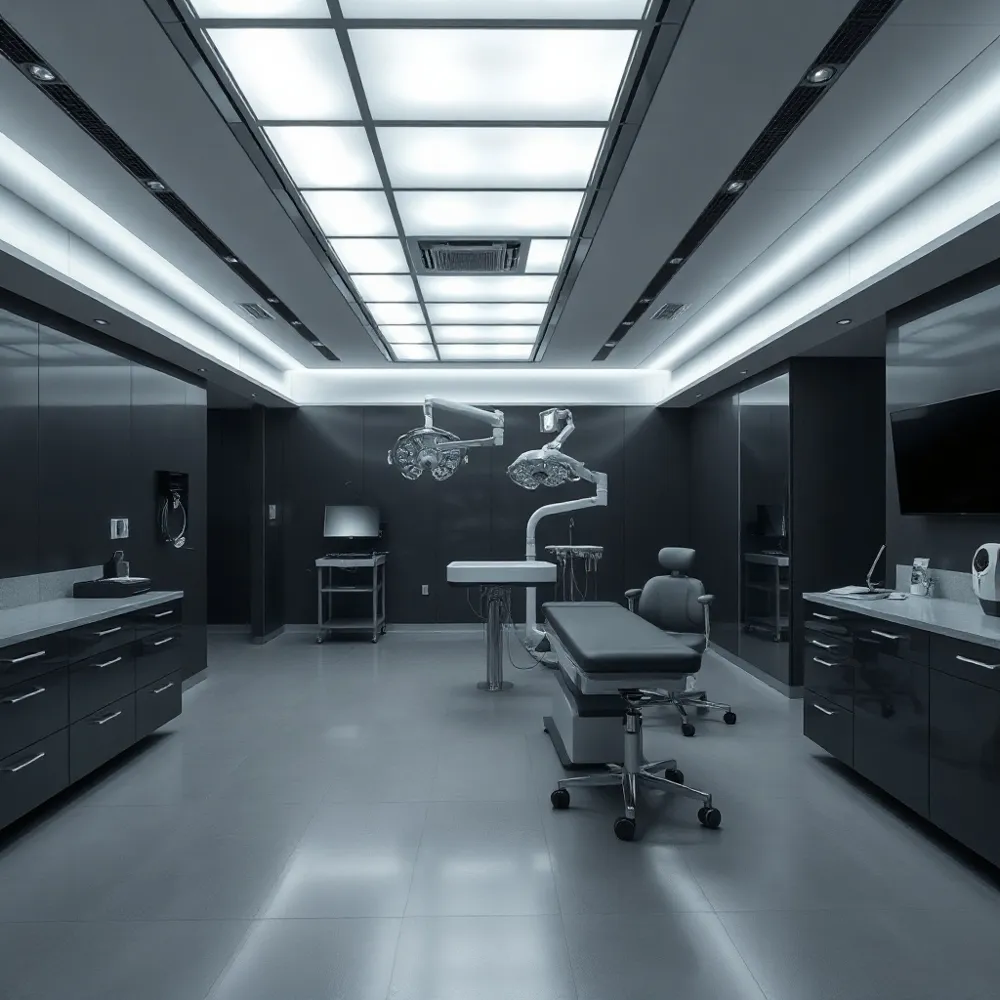 Safety in aesthetic medicine is evaluated through rigorous, voluntary programs conducted by organizations such as the American Association for Accreditation of Ambulatory Surgery Facilities (AAAASF) or the Accreditation Association for Ambulatory Health Care (AAAHC). These institutions hold surgical facilities to exacting standards that transcend baseline regulatory requirements, encompassing everything from anesthesia protocols and sterile infection control to detailed emergency preparedness.
The accreditation process is comprehensive, requiring surgical centers to undergo meticulous self-assessments followed by independent, on-site surveys where experts evaluate clinical practices and staff credentials. By maintaining this status, a practice demonstrates an ongoing commitment to quality care, ensuring that safety is monitored daily throughout the multi-year accreditation cycle.
For the discerning patient, selecting a facility that prioritizes these high-caliber environments provides objective assurance that their procedure is performed under stringent conditions. At madisonps.com, we integrate these safety benchmarks into the patient journey, emphasizing that a refined aesthetic outcome relies on both surgical mastery and a strictly maintained, modern clinical space. This approach contrasts with facilities that operate without such oversight, where the lack of emergency protocols or outdated equipment can jeopardize recovery and results.
The Role of Surgical Safety Checklists
The World Health Organization (WHO) developed a 19-question surgical safety checklist that stands as the foundational framework for mitigating clinical risks in modern aesthetic practices. This protocol is engineered to address preventable complications through meticulous, step-by-step verification, ensuring every member of the surgical team remains perfectly synchronized
The checklist functions through three essential phases: the sign-in before anesthesia, the time-out prior to incision, and the sign-out post-procedure. By formalizing communication and accountability, this process significantly reduces the prevalence of errors such as wrong-site identification or procedural communication failures. Standardized safety protocols are not merely administrative requirements but are the pulse of a high-end surgical environment.
At Madison Plastic Surgery, this systematic rigor is integrated into our daily practice to provide patients with the peace of mind that every clinical detail receives the highest level of vigilance. While some clinics may treat these measures as optional, our commitment to patient-centered care mandates strict adherence to the Universal Protocol established by the Joint Commission. This consistency protects your health and ensures our focus remains entirely on delivering refined, natural-looking aesthetic results.
Empowering Informed Choices for Your Aesthetic Future
Selecting an aesthetic partner is a deliberate pursuit of safety and refined artistry. Prioritizing long-term outcomes over the allure of convenience or deep financial discounts ensures that your wellness remains the primary focus. At madisonps.com, we emphasize that true elegance stems from meticulous planning and surgical mastery rather than rushed procedures.
A formal consultation must serve as your foundation for trust. If you feel dismissed or pressured to agree to unnecessary additions during your visit, your intuition is likely highlighting a mismatch in professional standards. As noted by the American Society of Plastic Surgeons, a high-end practice provides candid guidance and clear, realistic expectations about your journey.
Investing in your aesthetic future requires confidence in your surgeon's qualifications and the safety of the operating environment. By choosing a partner dedicated to your unique anatomy, you secure a result that is both natural and enduring. Trusting your instincts while relying on verified credentials allows you to move forward with the assurance that your care is as precise as your desired aesthetic.