The Modern Path to Radiant, Renewed Skin
Knowing what happens during a microneedling with PRP treatment helps you walk in with confidence, whether you are preparing for your first session or exploring options in Madison. The process is typically divided into three stages: preparation, the in-office procedure, and recovery. Each stage is designed to keep you comfortable while maximizing collagen production and skin rejuvenation.
Consultation and Preparation
Your journey begins with a detailed consultation at a practice like Madison Plastic Surgery, where a provider assesses your skin type, concerns, and aesthetic goals. During this visit, you will discuss your medical history and whether you are a good candidate for the PRP microneedling procedure. You will likely be advised to discontinue certain topical products, such as retinoids or exfoliating acids, for a few days before treatment to reduce irritation.
On the day of your appointment, your skin is thoroughly cleansed, and a topical numbing cream is applied for about 30 to 45 minutes. This ensures that most patients experience minimal discomfort during the procedure. The actual microneedling with PRP session is often described as a light prickling sensation, though numbing keeps it tolerable.
The Procedure Step by Step
The treatment itself typically lasts 30 to 60 minutes, depending on the size of the area being treated. After numbing, the provider draws a small sample of your blood, which is then placed in a centrifuge to separate platelet-rich plasma. The concentrated PRP is applied to the skin in two ways: first, it is used to lubricate the treatment area, and second, it is applied after microneedling to allow deeper penetration.
Using a specialized device with very fine needles, the provider creates controlled micro-injuries in the skin. As explained in a peer-reviewed evaluation, this process triggers the body's natural healing response, stimulating collagen and elastin production. The PRP then amplifies that effect, accelerating tissue repair and enhancing the overall outcome.
During the procedure, you may feel a scratching or vibrating sensation, but discomfort remains limited. More extensive treatment for areas like the face, neck, and chest can take longer, but the process remains consistent.
Recovery and Downtime
Immediately after your session, your skin will appear red and slightly swollen, similar to a mild sunburn. This is a normal reaction and typically resolves within 24 to 48 hours. Some patients also experience pinpoint bleeding or dryness, but these symptoms fade quickly. According to dermatology experts at Geisinger, most people can return to normal activities within a day, though you should avoid direct sun exposure and strenuous exercise for a few days.
You may notice an initial improvement in skin texture and tone within the first week, but the most significant changes occur over the following weeks as collagen production ramps up. Many providers recommend a series of three treatments, spaced about four weeks apart, to achieve optimal results. A comprehensive guide on PRP microneedling notes that outcomes can last several months, with maintenance sessions recommended periodically.
Understanding Collagen Induction Therapy
 Collagen induction therapy (CIT), more commonly known as microneedling, is a minimally invasive procedure that uses fine, sterile needles to create controlled micro-injuries in the skin. This process triggers the body's natural wound-healing response, stimulating the production of collagen and elastin. The result is a gradual improvement in skin texture, firmness, and overall tone, without the need for aggressive surgical techniques.
During a typical session, a specialized device glides across the skin, creating thousands of microscopic channels. These channels serve a dual purpose: they kickstart your skin's natural repair mechanisms, and they enhance the absorption of topical products applied immediately after the procedure. This increased permeability allows active ingredients to penetrate deeper into the dermis, maximizing their effectiveness.
The Role of Platelet-Rich Plasma (PRP) in Enhancing Results
The combination of microneedling and PRP is often referred to as a 'facial rejuvenation' powerhouse. The needles create the pathways, while the PRP floods these channels with growth factors, accelerating collagen production and promoting faster healing. Clinical studies have shown that this approach can lead to improved skin texture, reduced acne scarring, and a more youthful appearance compared to microneedling alone. For many patients, this makes PRP an ideal complement to a standard microneedling session.
At Madison Plastic Surgery, we offer advanced microneedling treatments that can be tailored to your specific skin concerns. Unlike generic med-spas, our board-certified surgeons and licensed aestheticians assess your individual needs, creating a personalized treatment plan. We also offer the latest FDA-approved devices and techniques, ensuring safety and optimal results. Whether you're looking to address fine lines, acne scars, or simply want a radiant glow, our team is dedicated to helping you achieve natural-looking, elegant outcomes.
Unlocking the Power of Platelet-Rich Plasma
 Microneedling relies on controlled micro-injuries to trigger the skin's natural repair process, but combining it with platelet-rich plasma (PRP) takes the treatment a step further. PRP is derived from your own blood: a simple draw is placed in a centrifuge to concentrate the platelets and growth factors that drive collagen production and tissue regeneration. When applied during microneedling, these bioactive proteins penetrate deeper into the dermis, amplifying the remodeling response and accelerating recovery.
Clinical research supports this synergy. A 2024 review in Cureus found that combining PRP with microneedling produced greater improvements in skin texture, tone, and fine lines compared with microneedling alone, with no major adverse events reported. The mechanism is well documented: the same growth factors that help heal wounds stimulate fibroblasts to synthesize new collagen and elastin, which is why many providers pair the two modalities for facial rejuvenation.
Patient selection and safety considerations
Because PRP uses your own blood, the allergy risk is minimal, but candidacy still matters. Ideal candidates are those with mild to moderate photoaging, acne scarring, or early volume loss, and who have a healthy platelet count. Individuals with active infections, blood disorders, or certain autoimmune conditions should avoid the treatment. A consultation with a board-certified provider is the right way to determine whether you're a suitable candidate.
For those seeking natural-looking results, a personalized protocol makes a difference. At Madison Plastic Surgery, for example, the approach is bespoke: your provider may combine PRP with microneedling depths and serums tailored to your specific skin concerns. This contrasts with one-size-fits-all packages offered elsewhere, and the emphasis on refined, subtle outcomes appeals to clients who want elegance rather than an overdone look.
Procedure timeline and recovery
A typical session takes about 60 minutes. Numbing cream minimizes discomfort, and you may see redness and mild swelling for 24 to 48 hours, followed by flaking for a few days. Most people need three to four sessions spaced four weeks apart for optimal results, with improvements continuing for several months as collagen matures. Microneedling with PRP is often cited as a top non-surgical option because it delivers visible results without downtime.
- Avoid sun exposure and vigorous exercise for 48 hours after treatment.
- Use only gentle cleansers and moisturizers for the first few days.
- Apply a broad-spectrum sunscreen daily to protect the newly stimulated skin.
Results are not immediate, since collagen induction happens gradually. You'll notice a smoother, more even-toned complexion over the following weeks, and the full effect appears around two to three months. For those considering additional rejuvenation, PRP can also enhance outcomes when paired with other minimally invasive treatments, such as those highlighted in our guide to innovative non-surgical procedures.
The Synergy: Why Combine Microneedling with PRP?
 Microneedling creates controlled micro-injuries in the skin, which triggers collagen production and initiates the body’s natural repair process. Alone, this mechanical stimulation is effective, but adding platelet-rich plasma (PRP) amplifies the results. PRP is derived from your own blood, concentrated with growth factors that accelerate healing, boost collagen synthesis, and enhance the overall texture and tone of the skin.
When the two are combined, the microneedles create channels that allow PRP to penetrate deeper into the dermis, maximizing its rejuvenating effects. This synergy promotes more rapid skin remodeling, reduced downtime, and more noticeable outcomes than either treatment performed alone. The result is a natural, radiant glow that aligns with the philosophy of subtle, elegant enhancement.
How PRP Enhances Microneedling Outcomes
The combination works on multiple levels. Microneedling physically stimulates collagen and elastin production, while PRP delivers a concentrated dose of growth factors that speed up the process. This dual approach not only improves skin firmness and elasticity but also helps address fine lines, wrinkles, and acne scars more effectively.
Each patient’s response varies, which is why a customized protocol is essential. A skilled practitioner assesses skin type, concerns, and goals to tailor the treatment plan. This personalized care ensures optimal results, whether the goal is to refresh a dull complexion, smooth texture, or achieve a more youthful appearance.
For those seeking a nonsurgical enhancement with minimal downtime, this combined approach offers a powerful yet low-risk solution. It appeals to individuals who want visible, natural-looking improvements without the invasiveness of surgery. The treatment is particularly popular among clients looking for a refreshed, radiant look that still preserves their unique features.
Who Is an Ideal Candidate?
Ideal candidates are generally healthy adults with concerns such as fine lines, sun damage, enlarged pores, or early signs of aging. Those with active infections, certain skin conditions, or bleeding disorders may need to avoid the treatment. A thorough consultation is necessary to determine suitability and to set realistic expectations for the outcome.
Microneedling. Creates controlled micro-injuries to trigger collagen production and initiate the skin’s repair process.
PRP. Concentrated growth factors from your own blood that accelerate healing, boost collagen synthesis, and enhance skin texture.
Combined Synergy. Microneedling creates channels for deeper PRP penetration, amplifying results with reduced downtime and faster remodeling.
Addressing a Spectrum of Skin Concerns
 Microneedling with PRP is one of the few treatments that addresses a wide range of skin concerns at once, making it a versatile option for patients with different goals. It works by creating controlled micro-injuries that trigger the skin's natural repair process, while the platelet-rich plasma delivers growth factors directly to the treatment area. This combined approach helps smooth acne scars, soften the appearance of stretch marks, and improve the look of surgical scars and burns.
Acne and Surgical Scars
For those troubled by acne scarring, microneedling with PRP can offer noticeable improvement. A 2024 clinical review highlighted how this method compares favorably with other treatments for certain scar types, with PRP enhancing the overall outcome by accelerating healing and collagen production. Surgical scars can also benefit, as the collagen remodeling prompted by the needles helps flatten and fade raised tissue. Patients often need a series of sessions to achieve the desired result, but the refinement can be long-lasting.
Stretch marks and burns fall into the same category of concerns that respond well. The injury signal from the needles, combined with the growth factors in PRP, prompts the skin to rebuild in these damaged areas. While complete removal isn't realistic, the appearance of stretch marks typically becomes less red and less indented, and burn scars can become smoother and more flexible. At Madison Plastic Surgery, we personalize each treatment plan to your specific skin type and scar texture, ensuring that the approach taken is as unique as your skin.
Suitable for All Skin Types
A major advantage of microneedling with PRP is its safety across a broad range of skin types. Unlike some laser treatments that carry a higher risk of hyperpigmentation in darker skin, microneedling is generally well-tolerated on all Fitzpatrick skin types. This makes it an accessible option for patients who may have been told they weren't candidates for other resurfacing methods.
Patient Experience and Aftercare
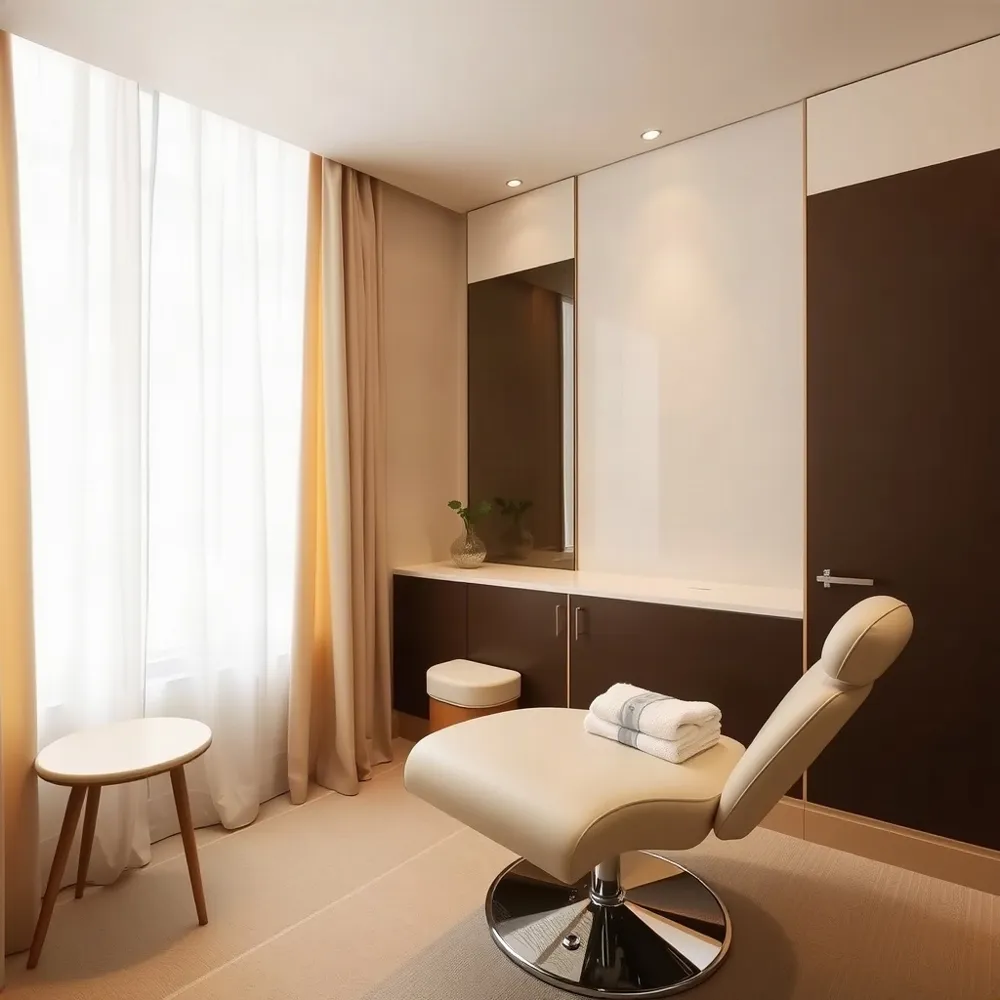 Microneedling with platelet-rich plasma, often called PRP, is a two-step procedure that combines controlled micro-injuries to the skin with the regenerative power of your own growth factors. The treatment begins with a simple blood draw, much like a routine lab test. That sample is placed in a centrifuge to separate the platelet-rich plasma, which is then applied to the skin or injected as the microneedling pen creates thousands of microscopic channels. This method is praised for stimulating collagen and elastin production, delivering smoother texture and firmer skin over time.
What draws most people to this treatment is the dual-action effect: the microneedling itself triggers the skin's natural repair process, while the PRP amplifies the results by delivering concentrated growth factors directly to the deeper layers. Research published in the National Institutes of Health highlights the efficacy of combining PRP with microneedling for improving skin quality, including reductions in fine lines and enhanced overall radiance. In practice, this means the procedure offers more than surface-level refreshment; it supports genuine collagen remodeling.
The Simple In-Office Procedure
The entire session typically takes about 60 to 90 minutes. After numbing the area, the clinician draws blood and spins it down while the skin is prepped. The microneedling pen is then glided across the treatment zones, and the PRP is either applied topically or injected to ensure deeper penetration into the micro-channels. Because the procedure is minimally invasive, there is no general anesthesia, and downtime is minimal.
This in-office approach is a significant advantage over more aggressive surgical options. At Madison Plastic Surgery in New York City, we prioritize safety and comfort, ensuring each session is tailored to your skin's specific needs. Unlike generic protocols, our approach blends the artistry of microneedling with PRP with a personalized assessment, so you receive results that look natural and refined.
What to Expect and Aftercare
Immediately after treatment, expect some redness and mild swelling, similar to a sunburn. This typically subsides within 24 to 48 hours, though pinpoint redness may persist for a few days. Your provider will offer specific aftercare instructions, but general guidelines include avoiding direct sun exposure, refraining from harsh skincare products, and applying a gentle moisturizer to support healing.
For optimal results, most patients undergo a series of three to four sessions spaced about four weeks apart. Collagen induction continues to improve over the following months, with peak results visible around three to six months after the final session. Throughout your journey, our team at Madison Plastic Surgery provides gradual, visible improvements that restore confidence without a surgical 'shock' — a hallmark of our approach to facial volume and skin quality.
Safety, Expertise, and Personalization

What Collagen Induction Therapy Actually Does
Collagen induction therapy, commonly called microneedling, works by creating controlled micro-injuries in the skin. These tiny punctures trigger the body's natural wound-healing cascade, prompting fibroblasts to produce fresh collagen and elastin. The result is firmer, smoother, more even-toned skin without the downtime of traditional ablative resurfacing. A 2024 clinical evaluation published in PMC confirmed that this approach significantly improves skin texture and tone by stimulating the dermal matrix.
The hallmark of this therapy is its versatility. It addresses fine lines, acne scars, enlarged pores, and mild laxity. Because the treatment relies on the body's own repair mechanisms, results appear progressively over weeks as new collagen forms. Most patients need a series of sessions, typically spaced four to six weeks apart, to achieve optimal outcomes.
Boosting Collagen Induction with Platelet-Rich Plasma
Combining microneedling with platelet-rich plasma (PRP) amplifies the results. PRP, derived from the patient's own blood, is concentrated with growth factors that accelerate healing and stimulate collagen production more aggressively. When applied topically during microneedling, the PRP penetrates deeper into the dermis, enhancing the skin's regenerative response. Geisinger notes that this synergy improves skin texture, firmness, and overall radiance while reducing recovery time compared to microneedling alone.
The scientific basis is solid. A 2024 study in PMC evaluated the combination of PRP and microneedling, finding that it yielded superior outcomes for photoaging and acne scarring than either treatment alone. The PRP's growth factors, including PDGF and TGF-β, enhance fibroblast activity, leading to more significant collagen remodeling and a more youthful appearance.
Why Provider Expertise and Personalized Plans Matter
While the science is compelling, the safety and efficacy of collagen induction therapy depend heavily on the provider. Needle depth, PRP concentration, and treatment intervals must be tailored to each patient's skin type and concerns. Unskilled application can lead to complications, including hyperpigmentation or scarring.
At Madison Plastic Surgery, every treatment begins with a thorough consultation. The team evaluates your skin's condition, medical history, and aesthetic goals before designing a personalized protocol. Whether you're seeking to reduce fine lines or improve texture, the approach combines advanced techniques with meticulous aftercare to support safe, natural-looking results. This emphasis on individualized care is what sets a medical-grade practice apart from a one-size-fits-all spa setting.
Embrace Your Skin's Natural Potential
Before your microneedling with PRP session, your provider will likely recommend a series of three to four treatments spaced four to six weeks apart to achieve optimal collagen remodeling and skin rejuvenation. The day begins with a topical numbing cream applied for 30 to 45 minutes to maximize comfort. After your provider gently cleanses your skin, they draw a small amount of your blood and spin it in a centrifuge, typically for about 10 minutes, to separate the platelet-rich plasma. Your provider then uses a specialized device, such as a SkinPen, to create controlled micro-injuries across the treatment area.
Immediately after the procedure, the provider applies the freshly prepared PRP to the skin and allows it to penetrate the microchannels. This combines the collagen-induction benefits of the needles with the growth factors in your own platelets. According to the National Institutes of Health, this combination can enhance skin texture, reduce fine lines, and improve overall tone. The office may then apply a soothing serum or sunscreen and provide you with specific aftercare instructions.
Preparation and Aftercare
In the days leading up to your appointment, avoid sun exposure, retinoids, and any exfoliating acids to reduce sensitivity and optimize results. On the day of the treatment, arrive with clean skin and no makeup. Afterward, expect some redness and mild swelling, similar to a sunburn, which typically resolves within 24 to 48 hours.
To protect your skin, avoid direct sun exposure and wear a broad-spectrum sunscreen (SPF 30 or higher) for at least a week. Steer clear of strenuous exercise, saunas, and swimming for 24 to 48 hours to prevent infection and ensure proper healing. Your provider may recommend a gentle cleanser and a moisturizer to use during the recovery period.
Day 1-2. Redness and mild swelling; avoid washing the treated area with harsh products. Use a gentle cleanser and apply a soothing ointment to keep the skin barrier intact.
Day 3-4. Possible flaking or dryness as the skin begins to regenerate; continue moisturizing and apply sunscreen liberally to protect fragile new skin.
Day 5-7. Most visible signs subside; you may notice a healthy glow and improved texture. You can resume normal activity, but continue sun protection.
Throughout your recovery, staying hydrated and eating a nutrient-dense diet can support collagen production and speed healing. Most patients see initial improvements within two to three weeks, with continued enhancement over the following months as new collagen matures. For a personalized treatment plan and to determine if you are a candidate, consult a board-certified specialist at Madison Plastic Surgery who can tailor the procedure to your skin goals.
| Phase | Timeline | What to Expect |
|---|---|---|
| Preparation | 1-2 weeks before | Avoid sun, retinol, exfoliants; hydrate |
| Procedure | 45-60 minutes | Numbing, microneedling, PRP application |
| Recovery | Day 1-2 | Redness, swelling resembling sunburn |
| Healing | Day 3-7 | Flaking, dryness; new skin emerges |
| Results | 2-6 weeks+ | Improved texture, tone, and collagen |
Always consult with a qualified professional to assess your individual needs and medical history. A personalized approach ensures the safest, most effective outcome for your skin.