Introduction to Body Contouring and Patient Transformations
Overview of Body Contouring After Weight Loss
Body contouring encompasses a range of surgical and non-surgical procedures designed to reshape, tighten, and refine the body's silhouette, particularly following significant weight loss. Excess skin and tissue, commonly found in areas such as the abdomen, thighs, arms, and chest, can cause discomfort, hygiene difficulties, and restrict mobility. Surgical interventions like panniculectomy, thighplasty, and tummy tucks focus on removing this excess skin while enhancing muscle tone and body proportions. Non-surgical options utilize advanced technologies such as radiofrequency and cryolipolysis to target localized fat pockets and stimulate skin tightening with minimal downtime.
Significance of Body Contouring for Physical and Emotional Well-Being
Beyond aesthetic refinement, body contouring profoundly impacts physical health by alleviating issues like rashes, infections, back pain, and joint discomfort caused by surplus skin folds. Moreover, these procedures often restore a patient's confidence and quality of life, addressing emotional challenges related to body image after dramatic weight reduction. Patients frequently report improved comfort, enhanced mobility, and an increase in daily activity levels, reinforcing the integral role body contouring plays in the comprehensive post-weight loss journey.
Introduction to Patient Success Stories
Real-life transformations highlight the expertise and personalized care provided by skilled plastic surgeons. Patients like Lynne Casey and Tammy Minard exemplify the life-changing benefits of combining weight loss surgery with subsequent body contouring. Their journeys include procedures that meticulously remove excess skin and sculpt the body, resulting in improved self-esteem and active lifestyles. These success stories not only inspire prospective patients but also underscore the safety, precision, and artistry involved in achieving natural-looking, lasting results.
Lynne's Journey: Surgical Body Contouring After Significant Weight Loss
Lynne's weight loss through minimally invasive gastric bypass surgery
In December 2018, Lynne Casey underwent minimally invasive gastric bypass surgery at RUSH University Medical Center, leading to a remarkable weight loss of 70 pounds. This transformative step was critical in improving her overall health and wellness.
Challenges of excess skin issues after rapid weight loss
Following such significant weight loss, Lynne faced common challenges due to excess skin issues after rapid weight loss, which can cause discomfort, rashes, infections, and emotional distress. Excess skin also interferes with clothing fit and physical activity, impacting quality of life.
Details of Lynne's panniculectomy details and Lynne's thighplasty experience
In June 2021, Lynne had a panniculectomy surgery at RUSH Copley Medical Center, where just over three pounds of excess abdominal skin were removed. The procedure involved a hip-to-hip incision, skin tightening and belly button repositioning for an improved contour. A year later, in June 2022, she underwent thighplasty procedure at RUSH Copley, removing over one-third of a pound of skin from each thigh. Small incisions were strategically made to minimize visible scars, enhancing natural appearance.
Recovery after panniculectomy and thighplasty and outcome of her surgical procedures
Recovery for these procedures typically involved wearing compression bandages for body contouring recovery for about a month, with Lynne returning to work within two weeks. Patients like Lynne generally observe noticeable improvements within weeks, with full results unfolding over several months as swelling diminishes and tissues settle.
Health and emotional benefits observed
Beyond physical changes, Lynne reported increased comfort and confidence post-surgery. Her body contouring after weight loss in the US enhanced mobility, reduced health problems from excess skin, and improved mental well-being. Maintaining a stable weight alongside diligent postoperative care contributes to long-lasting and gratifying results.
Patient Recovery and Results
| Aspect | Details | Notes |
|---|---|---|
| Weight Loss Method | minimally invasive gastric bypass surgery | Significant initial weight reduction |
| Surgical Procedures | panniculectomy and thighplasty | Removal of excess skin, tightening, contouring |
| Recovery Time | compression bandages for body contouring recovery for one month, returning to work after body contouring surgery ~2 weeks | Gradual healing with improvement over months |
| Results Permanence | Long-lasting with weight maintenance | Natural aging changes may occur |
| Benefits | Reduced rashes, improved comfort and confidence | Enhanced quality of life post-surgery |
Tammy and Tracy: Life-Changing Effects of Body Contouring After Massive Weight Loss
Tammy's 150-Pound Weight Loss and Subsequent Surgeries
Tammy Minard underwent gastric bypass surgery benefits in 2017, resulting in a transformative loss of over 150 pounds. This significant weight reduction was followed by body contouring surgery procedures focused on tightening loose skin and removing excess fat, particularly around the breasts and abdomen. These procedures were essential for addressing the physical discomfort and mobility issues caused by excess skin after weight loss after massive weight loss.
Tracy's Nearly 300-Pound Weight Loss and Body Contouring Journey
Similarly, Tracy Weiss from Pennsylvania lost nearly 300 pounds through a combination of Roux-en-Y gastric bypass procedure and lifestyle changes. After her weight loss, Tracy pursued body contouring surgeries that removed approximately 17 pounds of excess skin, refining her body shape further and enhancing comfort. Her journey from severe obesity—marked by multiple health issues—to improved physical health highlights the critical role of surgical intervention post-weight loss.
Impact on Physical Comfort, Activity Levels, and Confidence
Both Tammy and Tracy experienced substantial enhancements in physical comfort following their body contouring procedures, with reductions in skin-related irritation and back pain. These changes enabled a more active lifestyle; Tammy notably transitioned from wearing size XL to medium-sized clothing, illustrating a profound physical transformation. Tracy’s increased energy and confidence allowed her to reengage in everyday activities such as shopping and social events, which were previously challenging.
Role of Insurance and Healthcare Support in Body Contouring
Insurance coverage for skin removal often supports these surgeries when they address medical issues like skin infections and pain, as observed in both cases. Experienced healthcare teams assist patients navigating insurance approvals, ensuring access to Comprehensive Post-Weight Loss Care. This support is vital for patients seeking body contouring as an integral step in their long-term weight management and health maintenance.
Emotional and Lifestyle Transformations Post-Surgery
Beyond physical improvements, both women reported significant emotional benefits, including enhanced self-esteem and body image. Body Contouring Surgery Benefits helped alleviate frustration and embarrassment associated with excess skin, fostering self-acceptance and renewed confidence. These emotional gains contribute meaningfully to overall quality of life improvements from surgery, establishing body contouring as a powerful catalyst in completing the weight loss journey.
Non-Surgical Innovations: CoolSculpting and Other Advanced Body Contouring Techniques
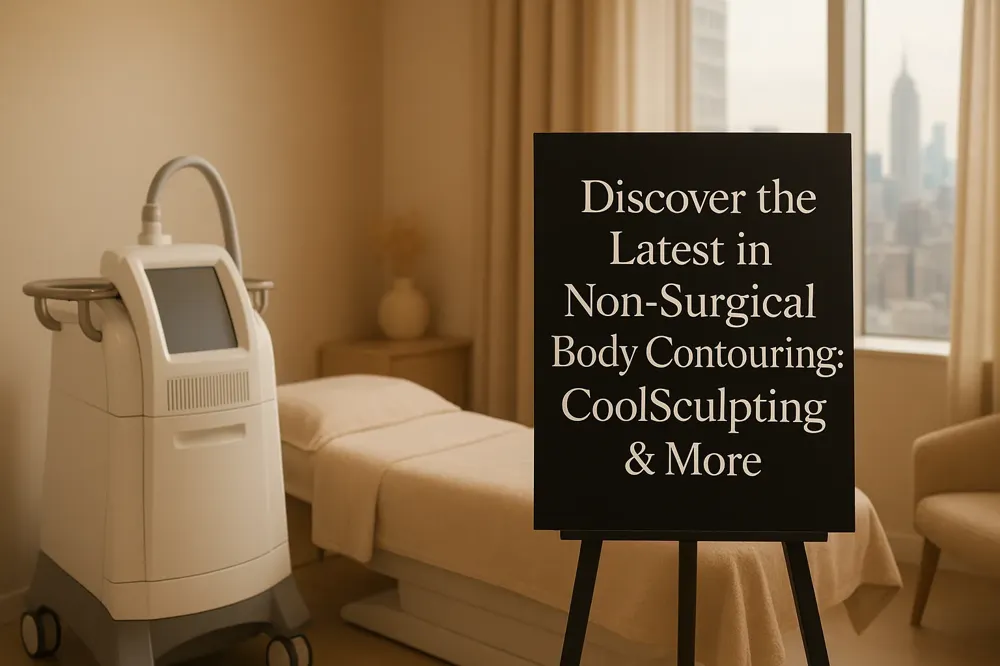
What is the most effective non-surgical fat reduction treatment?
CoolSculpting® treatments stands out as the leading non-surgical fat reduction modality. It employs controlled cooling to target and eliminate stubborn fat cells permanently without surgery or downtime. This makes it an excellent option for individuals seeking effective body sculpting procedures while maintaining their busy lifestyles.
How do non-invasive body contouring procedures work and what is the typical results timeline?
Non-surgical treatments like CoolSculpting® use cryolipolysis, freezing fat cells to trigger natural elimination over several weeks. Other methods include radiofrequency (RF) and ultrasound therapy for fat reduction therapies that stimulate collagen production and fat breakdown with gradual tightening effects.
Results generally appear progressively over 3 to 6 months as the body processes and removes treated fat cells, providing subtle but natural contour improvements.
Does non-surgical body sculpting actually work? How effective and safe are these methods?
These non-invasive techniques are clinically proven to reduce small regions of resistant fat and improve skin tone safely. Though less dramatic than surgical options, they offer a low-risk, scarless alternative with minimal side effects such as mild soreness or swelling.
When performed by experienced professionals, non-surgical body contouring treatments offer consistent, patient-satisfying outcomes with high safety profiles.
How many sessions are typically needed and what is the duration of results?
Most patients benefit from 1 to 2 sessions per treated area, spaced several weeks apart, to achieve optimal fat reduction. Full visible improvement often takes around 3 to 4 months.
With a stable weight and healthy lifestyle, fat cell reduction achieved by CoolSculpting and similar methods is permanent, although maintenance treatments may be required to sustain results over years.
Who is suitable for non-surgical body contouring and what are its limitations?
Ideal candidates are close to their target weight with localized fat pockets resistant to diet and exercise. These methods are not intended for significant weight loss or treating severe skin laxity.
For patients with extensive excess skin or large volume reduction needs, surgical body contouring options remain the gold standard. Non-surgical approaches complement surgical outcomes or serve clients seeking gentler, less invasive sculpting enhancements.
Combining Safety and Elegance: Surgical Body Contouring Procedures and Patient-Centric Care

What types of surgical body contouring operations are available?
Surgical body contouring encompasses a range of body contouring procedures designed to reshape and tighten the body following significant weight loss. Common surgeries include lifts and tucks such as tummy tucks (abdominoplasty), thigh lifts, arm lifts (brachioplasty), and breast lifts. Liposuction remains a core technique, with advanced forms like VASER liposuction offering precise fat removal while preserving tissue integrity, resulting in natural, elegant contours.
Why are personalized treatment plans important?
Each patient’s anatomy, weight loss journey, and aesthetic goals vary significantly. Personalized plans ensure that surgeries address specific concerns—whether excess skin on the abdomen, inner thighs, or upper arms—while safeguarding patient safety through staged procedures in body contouring surgery or combined operations. This tailored approach optimizes outcomes and patient satisfaction.
What does the typical recovery process involve?
Recovery generally requires wearing compression bandages for body contouring recovery for several weeks to reduce swelling and support skin tightening. Activity restrictions last about two to four weeks, varying with the procedure's extent. Patients are closely monitored for complications like infection or asymmetry, and gradual return to mobility is encouraged to enhance healing.
How do insurance and clinical criteria impact surgery coverage?
Insurance often covers body contouring surgery benefits when surgeries address medical issues caused by excess skin, such as rashes, infections, or mobility impairment. Documentation of physical symptoms and prior weight stabilization help fulfill coverage criteria. Medical teams frequently assist patients in navigating insurance approvals, ensuring access to necessary procedures.
What benefits do patients experience post-surgery?
Beyond aesthetic enhancements, patients enjoy improved mobility, relief from skin-related health complications, and increased comfort in daily activities. Psychological benefits include restored confidence and self-esteem, contributing to higher quality of life and a positive self-image after weight loss transformations.
| Aspect | Details | Benefits |
|---|---|---|
| Procedures | Lifts, tucks, liposuction (e.g., VASER | Targeted fat removal, skin tightening |
| Personalization | Customized plans to patient needs | Maximizes safety and results |
| Recovery | Compression, limited activity, monitored follow-up | Supports healing, reduces complications |
| Insurance | Coverage linked to medical necessity | Expands patient access |
| Outcomes | Enhanced mobility, comfort, confidence | Improved health and quality of life |
Patient Stories and Visual Proof: The Power of Before-and-After Transformations
Showcasing Authentic Patient Before-and-After Photos
The transformative journey following body contouring procedures is best captured through authentic Body Contouring Before & After Photos. These visual records provide clear evidence of how excess skin removal and tissue tightening can redefine body shape and boost self-confidence. Patients who have lost significant weight benefit immensely from seeing these images, as they set realistic expectations and inspire hope.
Examples from Qualified Plastic Surgeons Illustrating Successful Transformations
Renowned plastic surgeons such as Ellen Janetzke, MD, and Siamak Agha, MD PhD FACS, have documented case studies revealing impressive outcomes. These surgeons meticulously perform procedures like tummy tucks, thigh lifts, and arm lifts to create natural-looking and proportionate results. Their expertise ensures minimal scarring and a focus on personalized aesthetic harmony.
Enhancing Patient Confidence Through Visible Results
The psychological impact of visibly improved body contours is profound. Patients experience increased comfort in clothing, enhanced mobility, and a renewed sense of self-esteem. Real-world success stories highlight how Body Contouring Surgery elevates quality of life by alleviating physical discomforts related to excess skin and fostering mental well-being.
Role of Reputable Institutions and ASPS in Promoting Safety and Trust
The American Society of Plastic Surgeons (ASPS) serves as a trusted authority, providing medically accurate information and verifying surgeon credentials. Institutions like UT Southwestern Medical Center showcase patient cases with transparency, reinforcing confidence in surgical safety and outcome predictability. This commitment to patient education and safety underpins the luxury experience many seek.
Importance of Maintaining Results Through Healthy Lifestyle Choices
Optimal and lasting results hinge on patients maintaining a stable weight through balanced nutrition and regular physical activity. Surgeons emphasize that body contouring is a complement to, not a substitute for, a healthy lifestyle. Continued wellness efforts support tissue integrity and prolong the aesthetic enhancements achieved through Body Contouring After Weight Loss Surgery.
Conclusion: Embracing Transformation with Confidence and Care
Patient Transformations and Treatment Approaches
The journeys of patients like Lynne Casey, Tammy Minard, and Tracy Weiss highlight the profound benefits of body contouring after significant weight loss. Procedures range from surgical options—such as panniculectomy, thighplasty, and tummy tucks—to non-surgical methods like radiofrequency skin tightening and CoolSculpting®. These tailored treatments address both excess skin and stubborn fat deposits, optimizing body shape and function.
Physical and Emotional Benefits
Beyond enhancing appearance, body contouring significantly improves physical comfort by reducing rashes, infections, and mobility limitations associated with excess skin. Emotionally, patients report increased confidence, self-esteem, and quality of life, embracing new wardrobes and active lifestyles with renewed assurance.
Personalized Care and Realistic Goals
Success in body contouring relies on individualized treatment plans, consultation with expert specialists, and setting achievable expectations. Patients are encouraged to maintain stable weight and healthy habits prior to procedures. Collaborating closely with skilled surgeons ensures safe outcomes and satisfaction, empowering each patient’s unique transformation journey.