Full body contouring procedures such as tummy tucks, liposuction, and body lifts are transformative, removing stubborn fat and excess skin to create a sleek, sculpted physique. Yet surgery is only half the journey. The true mastery of your results begins with how you nourish your body during recovery. Thoughtful nutrition reduces inflammation, accelerates wound healing, and protects your refined silhouette for the long term. This section offers expert, high-end guidance on protein, hydration, and whole foods to ensure a seamless and elegant healing process.
Protein: The Foundation of Tissue Repair
Your body demands significantly more protein after surgery to rebuild tissues and maintain lean muscle. The American Society of Plastic Surgeons recommends increasing both calories and protein intake for proper wound healing, as protein aids muscle and tissue repair and helps fight infection. Aim for 1.5 to 2 grams per kilogram of body weight daily. Excellent sources include skinless chicken breasts, white fish like cod and tilapia, lean beef, pork loin, eggs, and plain Greek yogurt. For plant-based patients, tofu, beans, lentils, and quinoa provide the essential amino acids needed for collagen synthesis and cellular regeneration.
Vitamins and Minerals: Targeted Support for Healing
Specific micronutrients play distinct roles in your recovery. Vitamin C, found abundantly in citrus fruits, bell peppers, strawberries, and broccoli, is vital for collagen production—the protein that gives structure to skin and surgical wounds. Zinc, present in pumpkin seeds, lentils, chickpeas, and lean meats, participates in over 300 enzymatic reactions that support wound healing and immune function. Vitamin A, sourced from dark leafy greens, carrots, and sweet potatoes, helps regenerate epithelial tissue and reduce infection risk. Incorporating these nutrient-dense foods into every meal ensures your body has the precise tools it needs to heal efficiently.
Anti-Inflammatory Foods: Reducing Swelling Naturally
Post-surgical swelling and inflammation are expected, but certain foods can help modulate this response. Omega-3 fatty acids found in salmon, walnuts, flaxseeds, and chia seeds offer powerful anti-inflammatory benefits. The enzyme bromelain, concentrated in pineapple, helps reduce swelling and bruising. Berries such as blueberries, raspberries, and blackberries are packed with antioxidants that combat inflammation and oxidative stress. Ginger, turmeric, and green tea also provide anti-inflammatory compounds that can ease discomfort and promote a more comfortable recovery.
The Critical Role of Hydration
Hydration is a cornerstone of post-operative recovery. Water supports circulation, helps flush toxins and anesthesia metabolites, and keeps the lymphatic system moving to reduce swelling. Aim for 35 to 45 milliliters per kilogram of body weight daily during the first 48 to 72 hours after surgery. Clear fluids like water, herbal teas (chamomile, ginger), and low-sodium broths are ideal. Low-sugar electrolyte drinks or coconut water can replenish sodium and potassium lost through swelling and drainage. Avoid caffeine and alcohol, as they are dehydrating and can interfere with medications and wound healing. A simple way to monitor hydration is to check urine color—pale yellow indicates good status, while dark yellow signals a need for more fluids.
Fiber: Preventing Post-Operative Constipation
Constipation is a common side effect of anesthesia, pain medications, and reduced mobility. High-fiber foods help maintain regular bowel movements and prevent straining that could stress incisions. Excellent fiber sources include whole grains (oats, quinoa, brown rice), legumes (lentils, beans), fruits with skin (apples, pears), and vegetables (broccoli, spinach). Drinking adequate water alongside fiber is essential to maximize its benefits.
Foods to Avoid During Recovery
To protect your healing and results, certain items should be strictly limited. High-sodium foods, such as processed meats, canned soups, and salty snacks, worsen water retention and swelling. Excess sugar weakens the immune system and can slow tissue repair. Alcohol should be avoided for at least two weeks post-surgery as it dehydrates the body and interferes with medications. Caffeine should be limited due to its diuretic effects. Spicy foods may irritate the stomach, especially in the first few days. By eliminating these obstacles, you create an optimal internal environment for healing.
Meal Timing and Portion Strategy
Eating frequent, small meals throughout the day helps maintain stable blood sugar and energy levels, preventing the fatigue common during recovery. Start with easily digestible foods in the first three to four days—clear broths, smoothies, and protein shakes. Gradually introduce more substantial meals: lean proteins, steamed vegetables, and whole grains. Avoid going more than four to five hours without eating. This steady intake provides a continuous supply of nutrients to support tissue repair and keeps your metabolism stable.
Preparing for Success: Pre-Surgery Nutrition
A healthy patient entering surgery has a stronger chance of a faster, smoother recovery. The American Society of Plastic Surgeons recommends adopting a whole-foods, anti-inflammatory diet at least two to four weeks before your procedure. Focus on brightly colored fruits and vegetables, lean proteins, and healthy fats. Cut out processed foods, added sugars, and alcohol. This pre-operative preparation primes your immune system, reduces inflammation, and helps your body handle anesthesia more efficiently.
Supplements: What to Take and What to Pause
Certain supplements can enhance healing, while others increase bleeding risk. Vitamin C (500–1000 mg daily) and zinc (15–30 mg daily) support collagen production and immune function. Probiotics help restore gut balance disrupted by antibiotics. Arnica montana and bromelain may reduce bruising and swelling, but always consult your surgeon before use. Conversely, supplements with blood-thinning properties—fish oil, vitamin E, turmeric, ginkgo biloba, and high-dose vitamin E—should be stopped at least two weeks before surgery to minimize bleeding risk. Always verify your supplement regimen with your plastic surgeon.
Beyond Diet: Sleep, Stress, and Movement
Nutrition works synergistically with other lifestyle factors. Deep, restorative sleep regulates hormones that control hunger and metabolism while your body performs critical tissue restoration. Stress management techniques, such as gentle breathing exercises or journaling, help prevent emotional eating and support overall well-being. Light walking, as soon as your surgeon permits, improves circulation and lymphatic flow, reducing swelling and preventing blood clots. This holistic approach ensures that your investment in body contouring delivers enduring, elegant results. To help you implement these guidelines, the table below summarizes key dietary principles for your recovery.
| Nutrient / Focus | Recommended Sources | Purpose in Recovery |
|---|---|---|
| Lean Protein | Chicken, fish, tofu, eggs, beans, lentils | Tissue repair and muscle maintenance |
| Vitamin C | Citrus fruits, bell peppers, strawberries, broccoli | Collagen production, wound healing |
| Zinc | Pumpkin seeds, chickpeas, lean meats | Wound healing, immune function |
| Anti-Inflammatory Foods | Salmon, walnuts, blueberries, turmeric, ginger | Reduce swelling and inflammation |
| Fiber | Oats, quinoa, apples, leafy greens | Prevent constipation from pain meds |
| Hydration | Water, herbal tea, coconut water, bone broth | Fluid balance, toxin removal |
| Healthy Fats | Avocado, olive oil, nuts, seeds | Cell integrity, absorption of vitamins |
| Foods to Avoid | Processed foods, high sodium, sugar, alcohol, caffeine | Minimize swelling, dehydration |
By thoughtfully integrating these nutritional strategies into your recovery plan, you empower your body to heal with grace and preserve the beautiful results of your full body contouring procedure. Consult with your surgeon and a registered dietitian or nutritionist for a plan tailored to your individual health needs and aesthetic goals.
The Foundation: Protein and Tissue Repair
Why is Protein Important for Wound Healing After Surgery?
Following a full body contouring procedure—whether a tummy tuck, liposuction, or a body lift—your body redirects its resources toward healing the controlled trauma of surgery. During this critical period, protein emerges as the single most essential macronutrient. It provides the amino acids required to rebuild damaged tissues, regenerate skin, and preserve lean muscle mass during a time of reduced activity. Without adequate protein, the healing process slows, the risk of complications increases, and your final results may be compromised. A diet rich in high-quality protein ensures your body has the raw materials it needs for efficient recovery and optimal, long-lasting outcomes.
How Much Protein Do You Need?
To support the heightened metabolic demands of recovery, experts recommend consuming between 1.5 and 2 grams of protein per kilogram of body weight each day. For many patients, this translates to at least 20–30 grams of protein per meal. A practical way to meet this goal is to include a palm-sized portion of lean protein at every meal, along with protein-rich snacks. This consistent intake of amino acids fuels tissue regeneration and helps you feel full and satisfied, which supports steady energy levels and stable blood sugar throughout the healing process.
Selecting the Best Lean Protein Sources
Choosing high-quality, easily digestible protein sources is key to maximizing nutritional benefit. Excellent options include skinless chicken breasts, white fish such as cod and tilapia, and salmon, which also provides anti-inflammatory omega-3 fatty acids. Eggs, plain Greek yogurt, tofu, and beans are versatile and nutrient-dense choices. For a concentrated boost, consider incorporating a high-quality protein shake or collagen peptides into your daily routine. Collagen peptides supply the specific amino acids that directly support skin elasticity and wound closure, helping your surgical incisions heal smoothly and with less visible scarring.
| Protein Source | Serving Size (approx.) | Protein Content | Additional Benefits |
|---|---|---|---|
| Chicken Breast (skinless) | 3 oz (cooked) | 26 g | Low in fat, rich in B vitamins |
| Salmon | 3 oz (cooked) | 22 g | High in omega-3 fatty acids for inflammation control |
| Cod | 3 oz (cooked) | 19 g | Very lean, easily digestible |
| Eggs | 2 large | 12 g | Contains choline for cell membrane repair |
| Plain Greek Yogurt | 6 oz | 15-20 g | Contains probiotics for gut health |
| Tofu | 3 oz | 8-12 g | Plant-based, versatile, and low in saturated fat |
| Lean Beef (sirloin) | 3 oz | 26 g | High in zinc and iron for immune function and oxygen transport |
| Cooked Lentils | 1/2 cup | 9 g | Excellent source of fiber to prevent constipation |
| Protein Shake (whey or plant-based) | 1 scoop | 20-25 g | Convenient when appetite is low |
| Collagen Peptides | 1 scoop | 10 g | Specifically supports skin, hair, and joint healing |
Protein Supports More Than Just Muscles
The benefits of a protein-rich diet extend far beyond muscle preservation. Protein is fundamental for collagen synthesis, the primary structural protein in your skin and connective tissue. Collagen gives your incisions strength and integrity as they heal, helping them mature into fine, less noticeable scars. Furthermore, the amino acids from protein are crucial for a healthy immune system, which must be robust to ward off infection during the vulnerable post-operative period. By prioritizing protein at every meal, you provide your body with the tools it needs to heal internally and externally, protecting your investment in your new silhouette.
Pairing Protein with Essential Healing Nutrients
While protein is critical, it works best in synergy with other healing nutrients. Pair your lean proteins with vitamin C-rich vegetables like bell peppers and broccoli, as vitamin C is essential for collagen production. Combining protein with zinc-rich foods such as pumpkin seeds or lean red meat further supports wound closure and cellular repair. This holistic approach to post-operative nutrition ensures your body can efficiently utilize every gram of protein you consume, accelerating recovery and enhancing the quality of your final aesthetic results.
Hydration: Your Body's Natural Flush
Hydration: The Main Driver of Your Recovery
Water is the single most critical factor in your recovery after a full body contouring procedure. It supports healthy circulation, ensures oxygen and nutrients reach your healing tissues, and helps the lymphatic system clear cellular debris and excess fluid. Proper hydration also keeps your skin supple and resilient, which aids in the final aesthetic result. Dehydration, by contrast, can slow cell division, extend the inflammatory phase, and delay scar maturation.
How Much Water Should I Drink After Surgery?
A general guideline is at least 64 ounces (about 2 liters) per day. A more personalized goal is 30 to 40 milliliters per kilogram of body weight. For example, a 70-kilogram individual should aim for 2.1 to 2.8 liters daily. On hotter days or if you are wearing compression garments, your needs may increase to 35 to 45 mL/kg. A simple way to monitor your hydration is by checking your urine color: pale straw to light yellow indicates good hydration, while dark yellow suggests you need to drink more.
What Are the Best Fluids to Drink During Recovery?
Water is your foundation, but a variety of hydrating fluids can support your healing in different ways. Clear broths provide hydration and sodium, while bone broth offers collagen, amino acids, and minerals that directly support tissue repair. Herbal teas such as chamomile, ginger, and turmeric deliver anti-inflammatory compounds alongside hydration. Coconut water is an excellent source of natural electrolytes, including potassium and magnesium, which help restore balance after fluid shifts. Low-sugar electrolyte drinks can also be beneficial, especially if you experienced moderate blood loss.
Which Drinks Should I Avoid?
Alcohol and excessive caffeine should be strictly avoided during the initial two weeks of recovery. Alcohol is a vasodilator that can increase bleeding risk, interacts negatively with medications, and dehydrates the body. Caffeine has a diuretic effect that can contribute to dehydration and may increase anxiety or restlessness. After the first two weeks, limit caffeine to one small cup daily and avoid alcohol for at least two weeks, or longer if you are still taking pain medication.
What Foods or Drinks Should I Avoid After Plastic Surgery?
To optimize your recovery, steer clear of high-sodium foods such as packaged snacks, canned soups, and deli meats, as they worsen water retention and swelling. High-sugar items like candy, pastries, and sugary drinks promote inflammation and can weaken the immune system. Processed and fast foods are low in essential nutrients and high in unhealthy fats and salt. Also avoid overeating during periods of reduced activity to prevent unnecessary weight gain, which can compromise your results.
How to Maintain Hydration Throughout the Day
Establish a consistent hydration schedule rather than waiting until you feel thirsty, which is a late sign of dehydration. Keep a refillable water bottle with time markers nearby as a visual reminder. Pair water with routine tasks, and consider using apps for gentle nudges. Infuse your water with slices of citrus, cucumber, or berries for added flavor and a boost of vitamin C. Small, frequent sips are often better tolerated than large gulps, especially in the first 48 hours when nausea may be present.
Hydration and Swelling Management
Proper hydration is essential for managing post-operative swelling. When you are well-hydrated, lymph flow is more efficient, allowing excess interstitial fluid to be cleared from treated areas. Dehydration can cause your body to retain fluid, paradoxically exacerbating swelling and discomfort. Combine consistent hydration with light movement, as walking and gentle stretching further support lymphatic drainage. Monitor your swelling each evening; if it worsens, slightly increase your intake of sodium-free fluids and consult your surgeon.
Hydration and Electrolyte Balance
After invasive body contouring procedures, your body loses blood and fluids, depleting electrolytes. To restore balance, supplement your water intake with natural electrolyte sources such as coconut water, low-sugar sports drinks, or a homemade solution: one liter of water mixed with half a teaspoon of salt and a splash of fruit juice. Pay attention to signs of electrolyte imbalance, including dizziness, fatigue, or muscle cramps. If you experience these symptoms, increase your fluid intake and notify your surgical team.
Tracking Hydration Status
Monitor your hydration status daily by observing urine color and noting any symptoms of dehydration, such as dry mouth, dark urine, dizziness, or fatigue. Keeping a simple log of fluid type and volume can help you stay on track. If you experience signs of overhydration, including headache, confusion, or swelling in the hands and feet, reduce your fluid intake slightly and consult your provider. For any urgent symptoms like shortness of breath or chest pain, seek immediate medical attention.
| Fluid Type | Benefits for Recovery | Considerations |
|---|---|---|
| Filtered water | Foundation for hydration; supports circulation and lymphatic flow | Sip frequently throughout the day |
| Coconut water | Natural electrolytes (potassium, magnesium); reduces bloating | Choose unsweetened varieties |
| Bone broth | Provides collagen, amino acids, and minerals; supports tissue repair | Low-sodium options are best |
| Herbal teas | Anti-inflammatory (chamomile, ginger, turmeric); hydrating | Avoid caffeine-containing teas |
| Low-sugar electrolyte drinks | Replenishes sodium and potassium after fluid shifts | Use only as needed; avoid high-sugar versions |
| Alcohol | Increases bleeding risk; dehydrates; interacts with medications | Avoid for at least two weeks |
| Caffeine (coffee, tea, energy drinks) | Diuretic effect; may cause dehydration and anxiety | Limit or avoid during initial recovery |
| High-sodium soups and broths | Can worsen swelling and fluid retention | Choose low-sodium or homemade broths |
Anti-Inflammatory Power: Foods to Heal and Calm
How can I reduce swelling after a tummy tuck or liposuction through diet?
After a surgical procedure, your body's immediate response is a controlled inflammatory state, which is essential for initiating healing. This manifests as the swelling and discomfort you will experience. A strategic, anti-inflammatory diet directly addresses this, helping to calm tissue, reduce fluid retention, and dramatically improve your comfort during recovery.
The cornerstone of this approach is a focus on whole, nutrient-dense foods while strictly limiting elements that promote inflammation and fluid retention. A low-sodium diet is paramount, as excessive salt can worsen swelling and strain your healing incisions. This means avoiding processed foods, canned soups, and salty snacks. Prioritize colorful fruits and vegetables, which are packed with antioxidants that fight oxidative stress. Starting with light, easily digestible meals like clear broths and soft foods is recommended before gradually reintroducing solids as your appetite returns. Adequate hydration, aiming for at least 64 ounces of water daily, helps flush excess fluid and supports the lymphatic system. Adding hydrating foods like cucumbers and watermelon can also be beneficial.
Omega-3 Fatty Acids: The Inflammation Modulators
Omega-3 fatty acids are among the most powerful dietary tools for managing post-surgical inflammation. These healthy fats help modulate your body's inflammatory response, reducing swelling and discomfort.
- Fatty Fish: Salmon, mackerel, and sardines are excellent sources of EPA and DHA, the most active forms of omega-3s.
- Plant-Based Sources: Walnuts, flaxseeds, chia seeds, and hemp seeds provide ALA, a precursor to EPA and DHA.
- Other Sources: Grass-fed beef and omega-3 enriched eggs offer additional, though lower, amounts.
Vitamin C and Zinc: The Tissue Repair Team
Vitamin C is non-negotiable for recovery. It is a vital cofactor for collagen production—the structural protein that forms the foundation of your skin, tissues, and surgical wounds. It also acts as a powerful antioxidant, supporting immune function and reducing oxidative stress.
- Vitamin C Sources: Citrus fruits (oranges, grapefruits), bell peppers (especially red and yellow), strawberries, kiwi, broccoli, and Brussels sprouts are all excellent choices.
- Zinc Sources: Zinc is crucial for cell division, protein synthesis, and immune function, all of which are accelerated during healing. Good sources include pumpkin seeds, lentils, chickpeas, lean beef, and oysters.
Bromelain and Other Anti-Inflammatory Allies
Beyond foundational nutrients, specific compounds can offer targeted relief. Bromelain, an enzyme found in pineapple stems, has been shown to reduce swelling and bruising after surgery.
- Bromelain: Incorporate fresh pineapple into your diet or consider a bromelain supplement after consulting your surgeon.
- Other Compounds: Turmeric (with black pepper for absorption), ginger, and green tea contain anti-inflammatory compounds that can aid recovery.
Foods to Avoid for a Smoother Recovery
Just as certain foods heal, others hinder. Avoiding these is as critical as including the right ones.
- High-Sodium Foods: Processed meats, canned soups, fast food, and salty snacks worsen water retention.
- Refined Sugars and Trans Fats: These promote inflammation and can weaken the immune system. Avoid sweets, pastries, fried foods, and sugary drinks.
- Alcohol and Excessive Caffeine: Both can dehydrate and interfere with healing and medications.
| Nutrient | Primary Healing Role | Top Food Sources | Anti-Inflammatory Action |
|---|---|---|---|
| Omega-3 Fatty Acids | Modulate inflammation, support cell membrane health | Salmon, walnuts, flaxseeds, chia seeds | Reduce production of inflammatory compounds |
| Vitamin C | Collagen synthesis, immune function, antioxidant | Bell peppers, citrus, strawberries, kiwi | Neutralizes free radicals from surgical trauma |
| Zinc | Cell division, wound healing, immune support | Pumpkin seeds, lentils, lean beef, chickpeas | Catalyzes over 300 enzymes involved in tissue repair |
| Bromelain | Reduces swelling and bruising (edema) | Fresh pineapple | Breaks down proteins involved in inflammatory cascade |
| Fiber | Prevents constipation, supports gut health | Oats, legumes, berries, leafy greens | Promotes regular bowel function, reducing abdominal strain |
The Healing Plate: What to Eat in the First Weeks
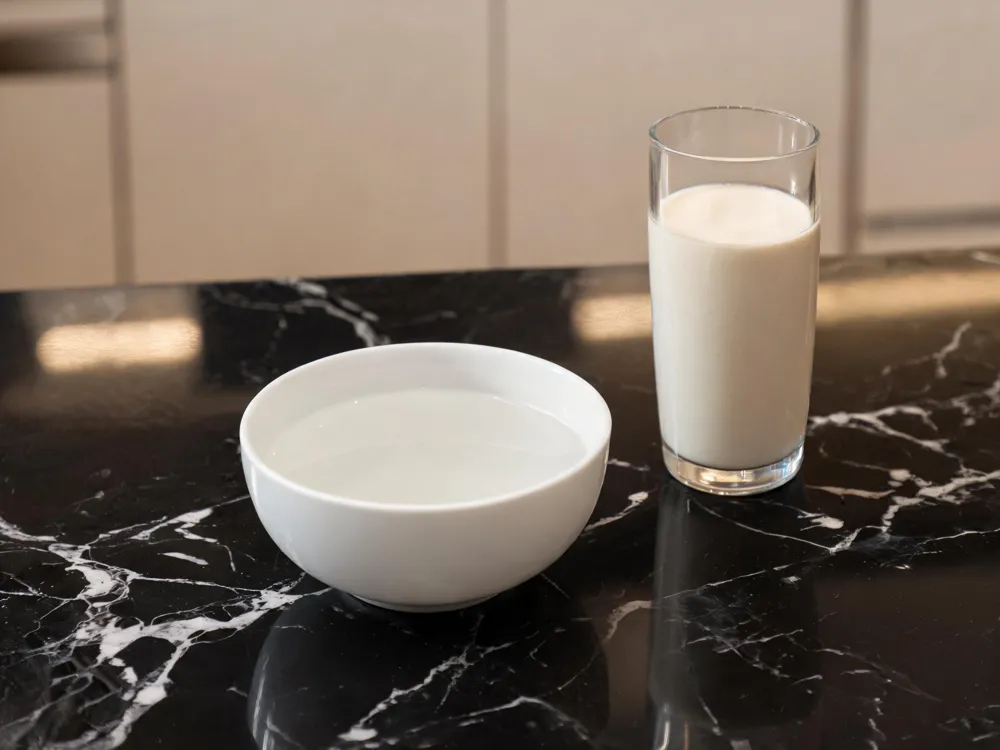 In the immediate days after surgery, your digestive system is likely to be sensitive. The focus should be on easily digestible, nutrient-dense options that support healing without taxing your body. This is a critical phase where the right food choices can significantly impact your comfort and recovery trajectory.
First 48 Hours: Nourish Gently
Begin with clear broths, protein shakes, and smoothies made with spinach, banana, and a scoop of high-quality protein powder. These options provide hydration and essential nutrients in a form your body can easily process. Oatmeal and pureed fruits or vegetables are also excellent choices. It is best to avoid spicy foods, heavy fats, and large meals, as these can cause discomfort and divert energy away from the healing process.
Days 3–7: Introduce Soft, Whole Foods
As your appetite and digestion improve, start introducing soft, whole foods. Consider scrambled eggs, Greek yogurt, mashed avocado, steamed fish, and well-cooked vegetables. At this stage, add fiber slowly to prevent constipation, a common side effect of pain medication. Focus on anti-inflammatory ingredients like turmeric and ginger to help manage post-op swelling.
Week 2 Onward: Gradual Return to a Regular Diet
By the second week, you can gradually resume your regular diet, but continue to emphasize lean proteins, whole grains (quinoa, brown rice, oats), healthy fats (avocado, olive oil, nuts), and plenty of colorful produce. Continue to avoid high-sodium, high-sugar, and processed items, as these can promote inflammation and worsen swelling. This is the time to build a sustainable pattern of eating that will support both your recovery and your long-term results.
What Healing Foods Should I Prioritize After Body Contouring?
Prioritize protein-rich foods like salmon, chicken, and eggs to support tissue repair. Healthy fats from avocados, nuts, and olive oil aid skin recovery and reduce inflammation. Vitamin C from citrus fruits, bell peppers, and berries boosts collagen production, while zinc from seafood, pumpkin seeds, and beans accelerates wound healing. Low-sodium foods help minimize swelling. Excellent practical choices include Greek yogurt, legumes, bone broth, and protein shakes to meet your increased nutritional needs. Research shows that patients who maintain optimal nutrition experience reduced complications, less swelling, faster wound healing, and better overall results.
A Look at the Nutrients You Need
The following table summarizes the key nutrients your body requires for optimal recovery and the best food sources for each.
| Nutrient | Role in Recovery | Best Food Sources |
|---|---|---|
| Protein | Tissue repair and regeneration, muscle maintenance | Poultry, fish, eggs, Greek yogurt, tofu, beans, lentils |
| Vitamin C | Collagen production, immune function | Citrus fruits, bell peppers, strawberries, broccoli |
| Zinc | Wound healing, cell growth, immune function | Seafood, pumpkin seeds, lean red meat, chickpeas |
| Healthy Fats (Omega-3s) | Reduce inflammation, support skin health | Salmon, walnuts, flaxseed, chia seeds, avocado |
| Vitamin A | Epithelial tissue regeneration, immune health | Sweet potatoes, carrots, spinach, kale, eggs |
| Fiber | Prevent constipation, support digestive health | Oats, legumes, fruits (with skin), flaxseed, whole grains |
| Vitamin D | Immune support, anti-inflammatory | Salmon, egg yolks, fortified foods, sunlight (with caution) |
| Probiotics | Restore gut health after antibiotics | Kefir, yogurt, sauerkraut, kimchi, miso |
Fueling the Phases of Healing
The body’s healing process occurs in distinct stages, each with specific nutritional demands. During the initial inflammatory phase, anti-inflammatory compounds are crucial. The subsequent proliferative phase requires ample protein and collagen-building nutrients for tissue reconstruction. Finally, the remodelling phase demands sustained nutritional support as the body refines the healing areas. Adequate intake of key nutrients at each stage is essential for optimal results.
Hydration: Your Recovery Driver
Hydration is paramount. Well-hydrated tissue allows nutrients and oxygen to access damaged cells more readily, encouraging faster repair. In the first 48 hours, focus on clear liquids, sipping frequently to prevent nausea. As you progress, aim for at least 2-3 liters of fluid daily, including herbal teas, low-sugar electrolyte drinks, and bone broth. A simple way to monitor your hydration is by observing your urine color—pale yellow indicates proper hydration. Dehydration can slow cell division and extend the inflammatory phase, so make consistent water consumption a priority.
Foods to Avoid for a Smoother Recovery
To protect your investment and ensure a smooth recovery, certain foods and substances should be avoided. High-sodium meals can worsen water retention and swelling. Excess sugar can weaken your immune system and slow tissue repair. Alcohol should be strictly avoided for at least two weeks, as it dehydrates and interferes with medications. Excessive caffeine can contribute to dehydration and increase anxiety. Highly processed foods, fried items, and refined grains should also be avoided, as they offer little nutritional value and can promote inflammation.
General Recovery Timeline and Essential Habits

Understanding the Recovery Timeline: What to Expect After Body Contouring
The immediate 1–2 weeks following a body contouring procedure are the most intensive. During this time, swelling, bruising, and discomfort are normal, and your surgeon will likely recommend wearing compression garments to manage fluid buildup and support new contours. You will need to avoid any bending, straining, or heavy lifting. After abdominal or thigh tightening, sleeping with your knees slightly elevated is essential to reduce tension on incisions.
Most patients transition back to desk work within 2–3 weeks. Those with physically demanding jobs should plan for a longer recovery of 4–6 weeks. Driving is typically not permitted for at least two weeks. It is crucial to arrange for help with daily activities during this period. Full healing from major body contouring, including the final settling of scars and tissues, can take 6–12 months.
What Should You Strictly Avoid After Surgery?
Specific activities can jeopardize your results and slow healing. Avoid any direct sun exposure or tanning beds to treated areas for at least one week, and thereafter always apply a broad-spectrum SPF 30+ to protect healing scars. Steer clear of heat exposure from saunas, hot tubs, or hot showers until cleared by your surgeon. Do not apply creams or lotions to surgical sites without permission. Refrain from strenuous exercise that could cause friction or sweating around incisions. For abdominal procedures, skip large meals and stay well-hydrated to support natural detoxification.
Essential Habits to Pair with Your Healing Diet
Your recovery diet is most effective when combined with these lifestyle practices:
- Gentle Walking: As soon as your surgeon approves, begin walking short distances. This promotes blood circulation, prevents blood clots, and helps reduce swelling.
- Prioritize Deep Sleep: Quality sleep regulates the hunger-regulating hormones ghrelin and leptin. Aim for 7–9 hours per night to support recovery and weight stability.
- Manage Stress Effectively: High stress leads to emotional eating. Incorporate daily breathing exercises, journaling, or light meditation to keep habits in check.
- Meal Prep Before Surgery: Freeze portioned, nutrient-dense meals. Stock snacks like unsalted nuts, fresh fruit, and ready-to-drink protein shakes for effortless post-op eating.
What About Other Restrictions?
Avoid direct sun or tanning bed exposure to treated areas for at least one week, and always use a broad-spectrum SPF 30+ sunscreen thereafter. Do not expose skin to excessive heat from saunas, hot showers, or laser treatments until fully healed. Refrain from applying any lotions or creams to surgical sites until your surgeon gives the green light. Skip strenuous exercise that causes excessive sweating or friction. Before abdominal treatments, avoid large meals and maintain excellent hydration.
How Long Until You See Final Results?
While initial swelling subsides within weeks, final results from body contouring emerge gradually. You will notice visible improvements at 3–6 months, but it can take a full 12 months for scars to fully mature and for your body to settle into its new contour. Patience and a consistent routine of a healthy diet, regular movement, and quality sleep are the foundations for long-term success. Work closely with your surgical team and a nutritionist to personalize these guidelines to your specific procedure and recovery needs. By adopting these comprehensive habits, you protect your investment, enhance healing, and enjoy your refined silhouette for years to come. | Healthy Habit | Immediate Post-Op (Weeks 1-2) | Active Recovery (Weeks 3-6) | Long-Term Maintenance | |---|---|---|---| | Hydration | 35-45 ml per kg of body weight per day; focus on clear fluids, broths, electrolyte drinks. | Maintain target; increase during activity or heat; continue electrolyte support. | 30-40 ml per kg per day; prioritize water and herbal teas. | | Walking | Short, frequent walks (5-10 min) a few times daily as tolerated. | Gradually increase distance and frequency; aim for 20-30 minute walks. | 150+ minutes of moderate aerobic activity per week per surgeon approval. | | Sleep | Elevate upper body; rest on your back; 8-10 hours per night. | Transition to comfortable position; maintain 7-9 hours per night. | Prioritize 7-9 hours; manage sleep environment to support health. | | Stress Management | Light breathing exercises; gentle journaling; avoid emotional eating triggers. | Begin daily meditation or short walks in nature; maintain food log for awareness. | Consistent routine of yoga, journaling, or therapy to support well-being. |
Long-Term Strategy: Protecting Your Investment

Building a Foundation for Lasting Results: Why Body Contouring Is Not a Shortcut to Health
A body contouring procedure—whether a tummy tuck, liposuction, or a full body lift—is a masterful surgical tool for removing stubborn fat and excess skin that resist even the most disciplined diet and exercise regimen. It sculpts a sleeker, more contoured silhouette. However, this surgical expertise must be paired with your own lifestyle commitment. It is a pervasive myth that a body contouring procedure eliminates the need for healthy eating. The reality is that the fat cells remaining in your body can still expand, and new fat can accumulate in untreated areas if you revert to old, poor eating habits. To protect your investment and maintain your results indefinitely, you must build a sustainable eating plan that prioritizes whole, nutrient-dense foods, portion control, and consistent physical activity. This is not about temporary restriction; it is about a permanent, elegant evolution of your daily habits. A healthier patient entering surgery has a stronger chance of an easier and faster recovery, and this principle extends directly to long-term maintenance. Your surgeon’s expertise provides the framework, but your daily choices determine the final, enduring masterpiece.
Curating a Sustainable Eating Plan: Whole Foods, Portion Control, and Meal Strategy
A successful long-term nutrition strategy is built on consistency, not deprivation. The goal is to make whole, unprocessed foods the foundation of every meal. Focus on a diet rich in colorful vegetables and fruits—aiming for at least three to five servings daily of a “rainbow” of produce—which provides essential vitamins, minerals, and antioxidants that support both healing and weight stability. Replace refined grains like white bread and pasta with complex carbohydrates such as quinoa, brown rice, and steel-cut oats. These provide sustained energy and vital B vitamins. A critical component is adequate protein: aim for 20–30 grams per meal from lean sources like skinless chicken breasts, fish (tilapia, cod, salmon), tofu, beans, legumes, and plain Greek yogurt. Protein not only supports tissue repair but also helps you feel full longer, preventing overeating. Healthy unsaturated fats—from avocados, olive oil, nuts, seeds, and even dark chocolate—should be included for their anti-inflammatory properties and role in cellular function, while trans and saturated fats must be strictly avoided.
Portion control is equally important. The body’s metabolic needs change after surgery, and overeating—even of healthy foods—can lead to weight gain. Practice mindful eating by listening to your body’s hunger and fullness cues. Eating several smaller meals throughout the day, rather than three large ones, helps maintain stable blood sugar levels and provides consistent energy. Planning meals ahead is a practical, effective tool. Prepare nutrient-dense staples in advance—grilled proteins, steamed vegetables, healthy grains—so that when you are tired or busy, you have nourishing options available. This strategic approach minimizes impulsive choices that could derail your progress. Remember, the goal is not a “diet” but a sustainable, integrated lifestyle that honors the significant investment you have made in yourself.
The Role of Hydration and Lifestyle Habits in Long-Term Maintenance
Hydration is a cornerstone of recovery and long-term health. Water supports circulation, aids digestion, helps flush toxins, and maintains a healthy metabolism. It is also essential for skin elasticity and the appearance of your new contours. Aim for at least 64 ounces (about eight glasses) of water daily, and even more if you are physically active or live in a warm climate. Avoid sugary beverages, sodas, and excessive caffeine, which can dehydrate the body and contribute to inflammation. Herbal teas, coconut water (which provides natural electrolytes), and infused water with citrus or berries are excellent, hydrating alternatives.
Your long-term success is not solely determined by what you eat. Pair your nutrition plan with consistent physical activity. Regular exercise improves circulation, helps manage weight, and tones the muscles beneath your newly contoured skin. Aim for at least 150 minutes of moderate aerobic activity per week (such as brisk walking, cycling, or swimming) combined with strength training exercises two to three times per week. Strength training is especially important as it builds and maintains lean muscle mass, which boosts metabolism and provides structural support for your enhanced shape. Quality sleep is also vital; during deep, restorative sleep, the body regulates hormones that control hunger and metabolism. Chronic stress can lead to emotional eating and unhealthy habits, so incorporate stress-management techniques such as gentle yoga, meditation, or even simple breathing exercises into your routine. By integrating these pillars—nutrition, hydration, exercise, sleep, and stress management—you create a robust, holistic system that protects your results for years to come.
Understanding Weight Fluctuations and Realistic Expectations
It is important to understand that body contouring does not make you immune to weight gain. If you do gain weight after your procedure, it will not return to the exact same stubborn pockets of fat that were removed. Instead, it will distribute more naturally throughout the body. This means that even modest weight gain can subtly alter your new contours, potentially diminishing the results you worked so hard to achieve. The key is to monitor your weight and overall body composition regularly, preferably by how your clothes fit and your energy levels, rather than focusing solely on the scale. If you notice a trend of gradual weight gain, reassess your dietary habits and activity levels early. Proactive adjustments are far easier than attempting significant weight loss later. Maintaining a stable, healthy weight is the single most effective way to preserve the improvements made by your surgery. Regular follow-up appointments with your surgeon also provide an opportunity to monitor your progress and address any concerns about weight or shape changes.
Of course, life happens. You may experience weight fluctuations due to hormonal changes (like menopause or thyroid issues), medications, or life events like pregnancy. If you are considering another major life change—such as pregnancy—discuss this with your surgeon beforehand, as this can significantly affect your body and results. The goal is not perfection but consistency. If you have a period of less-than-ideal eating or a temporary break from exercise, do not abandon your healthy habits. Simply get back on track. The most successful patients are those who view maintenance as a lifelong journey, not a destination. They treat their bodies with the same care and respect that led them to choose a skilled, board-certified surgeon in the first place.
The Big Picture: A Partnership Between Surgery and Lifestyle
Your body contouring procedure is a powerful tool, but it is not a substitute for a healthy lifestyle. The results you see in the mirror are a partnership—a collaboration between your surgeon’s artistry and your own daily commitment. By adopting a nutrient-dense eating plan, staying consistently hydrated, engaging in regular physical activity, prioritizing sleep, and managing stress, you not only protect your new contours but also enhance your overall health and well-being. This integrated approach ensures that your investment—both financial and emotional—pays dividends for a lifetime. For a personalized maintenance plan tailored to your specific procedure, lifestyle, and goals, consult with your surgeon or a registered dietitian who specializes in post-surgical nutrition. Your journey does not end in the operating room; it begins there.
| Aspect | Long-Term Strategy | Why It Matters |
|---|---|---|
| Nutrition | Whole foods, lean protein, healthy fats, portion control, meal planning | Prevents weight regain in treated & untreated areas; supports tissue health |
| Hydration | 64+ oz water daily; limit sugar, caffeine, alcohol | Flushes toxins, reduces swelling, maintains metabolism & skin elasticity |
| Exercise | 150 min cardio + 2–3 strength sessions per week | Boosts metabolism, tones muscle, supports weight stability & circulation |
| Sleep & Stress | 7–9 hours sleep; stress management (yoga, meditation) | Regulates hunger hormones; prevents emotional eating & unhealthy habits |
| Monitoring | Regular weigh-ins & post-op follow-ups | Enables early detection of weight changes; preserves surgical results |
The guidelines provided here offer a comprehensive foundation for post-operative nutrition, but your recovery journey is unique. The most effective plan is one that is tailored specifically to you. Your body's needs will vary based on the extent of your procedure, your overall health, and your individual healing response. This is why close collaboration with your board-certified plastic surgeon and, ideally, a registered dietitian or nutritionist is paramount.
Your surgical team will have specific, nuanced instructions based on the details of your procedure. They can advise on the precise timing of reintroducing solid foods, managing any temporary dietary restrictions, and monitoring for any signs of complications. A consultation with a nutritionist can take this a step further, translating general principles into a personalized, sustainable meal plan that fits your lifestyle, palate, and nutritional requirements.
A customized plan goes beyond a general list of “good” and “bad” foods. It can provide guidance on meal timing to stabilize blood sugar and energy, recommend specific portion sizes to meet your increased protein and caloric needs without overeating, and suggest ways to manage nausea or a reduced appetite. A professional can also help you strategically supplement your diet, advising on the correct forms and dosages of key nutrients like vitamin C, zinc, and collagen peptides to safely maximize their benefits without interfering with your healing.
Ultimately, the investment you make in your diet and lifestyle is the most critical factor in preserving the magnificent results of your body contouring procedure. With the right nutritional strategy, you are not just healing; you are actively fortifying your body to maintain your new silhouette, support skin health, and enjoy a lasting transformation. By partnering with your medical team, you empower yourself to heal beautifully and embrace your refined physique with confidence for years to come.