Anesthesia Is Part of the Surgical Plan
Anesthesia for cosmetic surgery is chosen for the specific procedure and patient, taking into account health history, comfort, and the surgical setting. It is generally safe when appropriately planned and monitored, but it carries risks, and no single approach is right for everyone.
Anesthesia is part of the wider surgical plan, not a standalone choice. The procedure’s scope and duration, medical considerations, and a patient’s concerns all help shape the discussion. Patients should ask their surgeon and anesthesia professional what is planned, who will provide and monitor the anesthesia, and what to expect during recovery.
At Madison Plastic Surgery, Dr. Robert M. Tornambe is certified by the American Board of Plastic Surgery and has practiced aesthetic surgery in New York City since 1988. He personally sees patients from consultation through recovery, giving patients an opportunity to raise questions as their plan is developed.
Anesthesia Options in Cosmetic Surgery
 Plastic surgery may involve local anesthesia, sedation, regional anesthesia, or general anesthesia, and the right approach depends on the operation and the individual patient. American Society of Plastic Surgeons guidance describes local anesthesia as numbing a specific area, while general anesthesia renders a patient unconscious.
With local anesthesia, a patient remains awake while sensation is reduced in the treatment area. Sedation may ease anxiety or cause drowsiness, and regional anesthesia blocks sensation across a larger part of the body. Some approaches can be combined, but their names do not indicate that each is suitable for every operation or patient.
An awake patient may notice sights or sounds in the room, even when the treated area is numb. Anyone concerned about being conscious during surgery should raise that concern in advance. The plan should also account for health history, comfort, and the procedure’s demands.
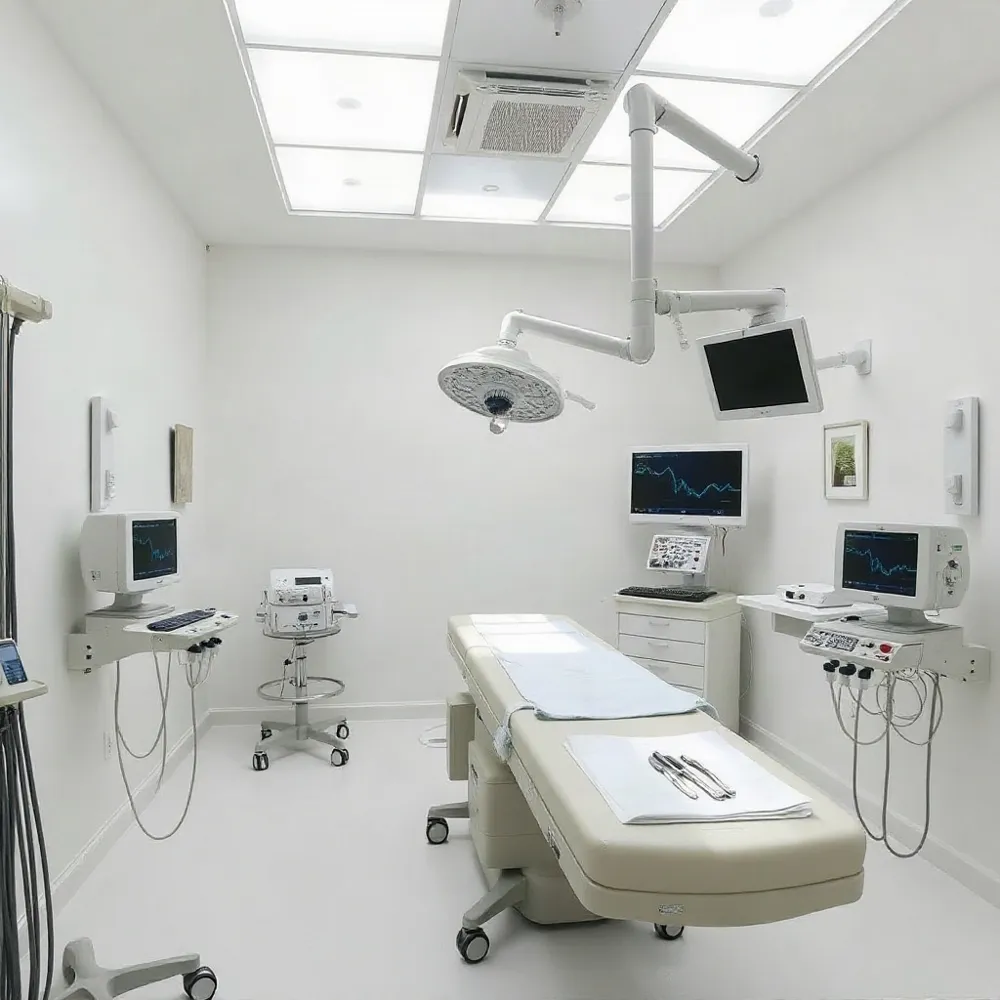
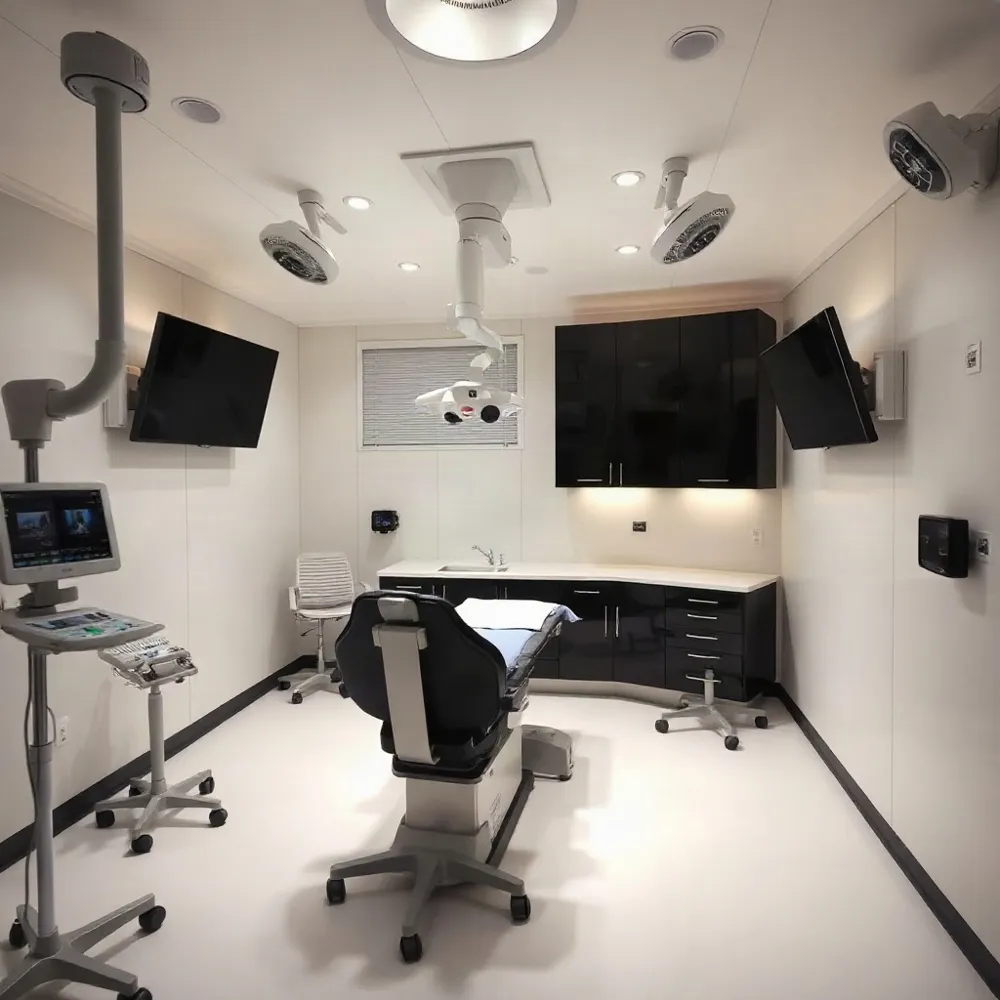
At Madison Plastic Surgery, Dr. Robert M. Tornambe, certified by the American Board of Plastic Surgery, performs surgery in the practice’s AAAASF-accredited in-office operating room. The specific anesthesia plan and monitoring arrangements should be confirmed with the care team. Patients can also review anesthesia safety standards when preparing questions for consultation.
Safety Depends on Individual Assessment
 Safety Depends on Individual Assessment
Anesthesia is generally safe for appropriately selected patients when the plan fits their health and procedure and qualified professionals monitor them, but risk is never zero. Individual assessment helps the care team identify issues that may affect the choice of anesthesia or the precautions needed.
Relevant considerations include existing medical conditions, age, medications, previous anesthesia experiences, and any history of airway difficulty. The procedure’s type and duration, patient positioning, and airway-management needs also matter. These factors guide clinical planning; they do not predict a particular patient’s outcome. A medical review of anesthesia considerations in plastic surgery describes the role of preoperative assessment and careful monitoring in reducing avoidable harm in plastic surgery.
Give the surgeon and anesthesia team a complete account of your health, allergies, prior anesthesia problems, prescriptions, over-the-counter medicines, supplements, and relevant lifestyle factors. Follow the team’s specific instructions about medicines and fasting, and do not stop or change medication on your own. The American Society of Plastic Surgeons’ patient guidance also emphasizes sharing this information and asking who will manage and monitor anesthesia.
Dr. Robert M. Tornambe, certified by the American Board of Plastic Surgery, has practiced aesthetic surgery in New York City since 1988 and has been recognized as a New York Magazine Best Doctor. Madison Plastic Surgery performs surgery in its AAAASF-accredited in-office operating room. Accreditation describes the facility’s standards; it does not eliminate risk or establish which anesthesia approach is appropriate for a particular patient.
During your consultation, Dr. Robert M. Tornambe, a New York Magazine Best Doctor, will review your history and discuss how the anesthesia plan addresses your procedure and individual concerns.
Awake Liposuction Requires Careful Comparison
Awake liposuction is not automatically safer than liposuction performed under general anesthesia. The appropriate plan depends on the patient’s health and comfort, the areas and amount being treated, the expected procedure time, the anesthesia approach, and the surgical setting.
Safety of Awake Liposuction
Local or tumescent anesthesia numbs the treatment area, but a patient may still notice pressure, tugging, or movement. Being awake does not guarantee a pain-free experience, and this approach is not suitable for every patient or procedure. The American Society of Plastic Surgeons’ overview of awake surgery describes awake surgery as an option for selected patients, rather than a universal alternative to general anesthesia.
Anesthesia and Risk Factors
Each approach has considerations. Local anesthetic can cause toxicity if too much is used, while general anesthesia has its own risks and calls for appropriate administration and monitoring. Liposuction itself also carries risks, including bleeding, infection, and contour irregularities. A medical review of anesthesia complications in plastic surgery discusses how the procedure’s size and duration, patient factors, and anesthesia plan inform risk assessment. Liposuction is often performed alongside procedures such as body contouring or tummy tuck.
Choosing Dr. Tornambe
At Madison Plastic Surgery, the choice should be discussed for the individual treatment rather than assumed from the word “awake.” Dr. Robert M. Tornambe, who is certified by the American Board of Plastic Surgery and has practiced aesthetic surgery in New York City since 1988, personally sees patients from consultation through recovery. Dr. Tornambe has been named a New York Magazine Best Doctor. The practice’s AAAASF-accredited in-office operating room is part of the setting to discuss, but accreditation does not remove surgical or anesthesia risks.
Recovery and Sensations
Sensations during surgery and recovery vary. Tell the team if you experience sharp or persistent pain during the procedure, and ask what soreness or tenderness is likely afterward for your planned treatment. A consultation can address the areas being treated, anesthesia arrangements, and recovery expectations.
Book a private consultation with Dr. Tornambe at 815 Park Avenue, or call (212) 628-7600.
Your Next Steps
Choosing the right approach for liposuction requires a thorough discussion with a qualified surgeon. Dr. Tornambe and his team are committed to providing tailored care and helping you make an informed decision.
Common Questions
How much does awake liposuction cost?
Cost varies based on the areas treated, the amount of fat removed, and the anesthesia approach. A consultation with Dr. Tornambe can provide a personalized estimate.
Can awake liposuction be combined with other procedures?
Yes, awake liposuction can be performed alongside other surgeries such as tummy tuck or body contouring, depending on the extent of the procedures and anesthesia requirements.
What should I discuss during my consultation?
Your consultation should cover your health history, the areas you want treated, anesthesia options, and expected recovery. Dr. Tornambe will recommend the safest plan for your individual case.
Book a private consultation with Dr. Tornambe at 815 Park Avenue, or call (212) 628-7600.
Preparation Begins With Honest Disclosure
 Preparation instructions depend on the procedure and anesthesia plan. Follow the fasting schedule provided by your care team exactly; a general rule cannot replace instructions tailored to you.
Tell the surgical and anesthesia team about prescription and nonprescription medicines, vitamins, supplements, allergies, chronic conditions, alcohol or recreational drug use, and tobacco. Also mention sleep apnea, snoring, and any previous anesthesia reaction, difficult airway, or breathing problem. These details can affect the plan and help the team anticipate needs.
Do not stop, start, or change medicines or supplements on your own. Some may affect bleeding, healing, or anesthesia safety, but whether and when to adjust them depends on your circumstances.
Contact the team before surgery if you become ill, are unsure about fasting or medication instructions, or remember information you have not yet shared. Dr. Robert M. Tornambe, certified by the American Board of Plastic Surgery, personally sees patients from consultation through recovery, giving patients a direct opportunity to raise these concerns.
Awareness and Recovery Questions Matter
Asking questions about anesthesia awareness and recovery is an important part of preparing for surgery. Anesthesia awareness can occur, but it is rare. A patient may briefly hear sounds, feel pressure, or have a dreamlike sense of awareness; that is different from waking fully, and experiences vary. Pain is uncommon, but any previous experience deserves a careful discussion with the anesthesia team.
Tell the team before surgery if you have experienced awareness, take medications or substances that may affect anesthesia, or feel anxious about being aware. These details help the clinicians discuss your individual circumstances and plan appropriate care. The American Society of Plastic Surgeons’ patient guidance on anesthesia also encourages patients to raise concerns and ask about monitoring.
Recovery varies. After general anesthesia, some people feel groggy or tired, or experience nausea, shivering, or temporary disorientation. Ask your care team what to expect afterward and follow its specific instructions for transportation and supervision.
Before surgery, ask who will manage and monitor your anesthesia, what credentials that person holds, and what recovery arrangements apply. Discussing these questions in advance helps you understand the plan before the procedure.
Discuss the Plan Before Surgery
The right anesthesia plan depends on your health, the procedure, and your comfort, so discuss it directly with your surgical team. Candidly sharing your concerns and medical history helps the team plan care around your needs, while remembering that surgery and anesthesia carry risks and results vary.
Book a private consultation with Dr. Tornambe at 815 Park Avenue or call (212) 628-7600.