Beyond the Scalpel: Why Credentials Matter
A critical, and often overlooked, fact in cosmetic surgery is that any licensed physician can legally perform these procedures, regardless of their specialty training. This opens the door for practitioners without the specific expertise required for complex aesthetic surgery, creating a significant, and avoidable, risk for patients. In this landscape, a surgeon’s credentials are the first and most important line of defense, separating those with genuine mastery from those merely wielding a license.
Board Certification: The Non-Negotiable Standard
The primary differentiator is board certification by the American Board of Plastic Surgery (ABPS), the only body recognized by the American Board of Medical Specialties for plastic surgery of the face and body. Achieving this credential requires far more than a medical degree. It demands completion of a dedicated, multi-year plastic surgery residency, the passage of rigorous written and oral exams, and a commitment to ongoing education and re-certification. This verifiable, high standard of training is the bedrock of exceptional patient care.
The Foundation of Trust and Refined Outcomes
In a high-end practice, board certification is the non-negotiable foundation of trust. It signals not only technical proficiency but also a commitment to the highest ethical and safety protocols. This rigorous background equips a surgeon to manage complications, create personalized, anatomically sound treatment plans, and consistently deliver the refined, natural-looking results that discerning clients seek. Choosing an ABPS-certified surgeon is the first step in a journey towards safety, artistry, and confidence restoration.
| Credential | Verification Path | Impact on Patient Outcomes |
|---|---|---|
| Medical License | State Medical Board | Permits basic practice; does not verify specialty competence |
| ABPS Board Certification | ABMS & ABPS Public Search Tools | Confirms rigorous specialty training and adherence to safety standards |
| Practice Accreditation | AAAASF, JCI, or State Licensure | Ensures facility safety, equipment, and emergency protocols are met |
The Critical Distinction: Board-Certified vs. Any Licensed Doctor
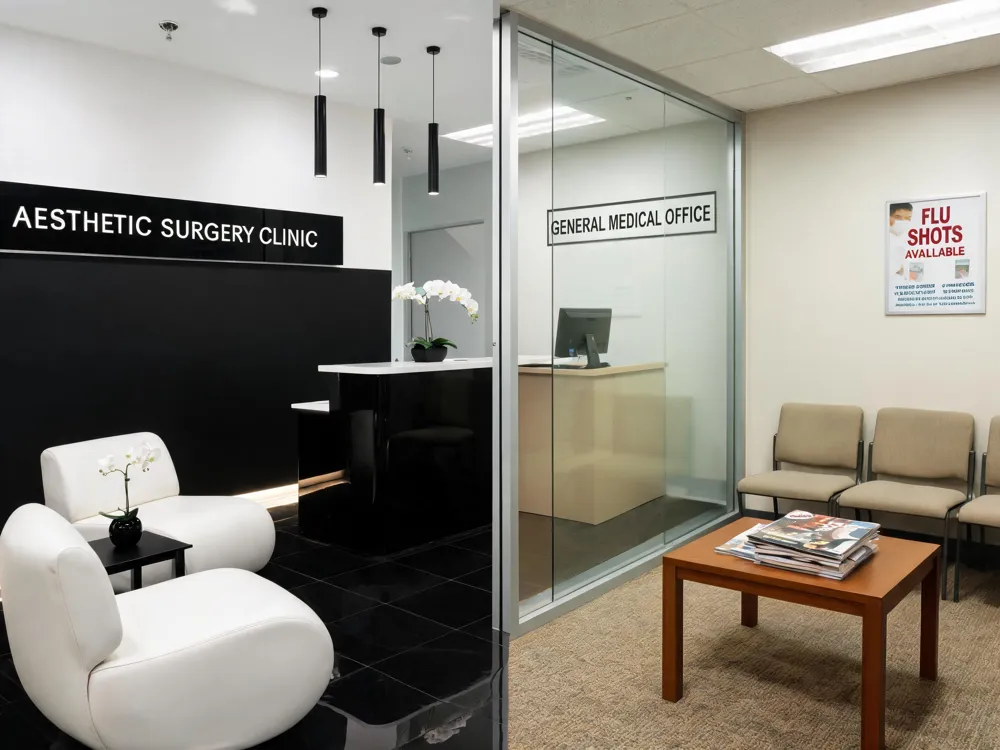
What is the difference between a general plastic surgeon and a board-certified plastic surgeon?
The distinction is critical for safety and outcomes. In the United States, any licensed medical doctor can legally call themselves a "cosmetic surgeon" or even a "plastic surgeon," regardless of their actual training. A physician with a background in general surgery, dermatology, or even obstetrics could perform cosmetic procedures after taking a short course. This lack of regulation can lead to complications, poor results, and patient harm.
A board-certified plastic surgeon, by contrast, has met the rigorous standards of the American Board of Plastic Surgery (ABPS), the only board recognized by the American Board of Medical Specialties (ABMS) for plastic surgery. There is no ABMS-recognized board for "cosmetic surgery."
ABPS certification requires at least six years of surgical training after medical school, with a minimum of three years dedicated solely to plastic surgery. The process also includes passing comprehensive written and oral exams that assess surgical knowledge, ethical judgment, and the ability to manage complications. The large majority of ABPS diplomates also complete continuing medical education, including patient safety topics each year.
This extensive training translates directly to patient safety. Studies show board-certified surgeons achieve higher patient satisfaction scores and lower complication rates compared to non-certified practitioners. For the discerning client, this rigorous background is the foundation for achieving safe, natural aesthetic results.
Your Safety Checklist: How to Select a Truly Qualified Surgeon
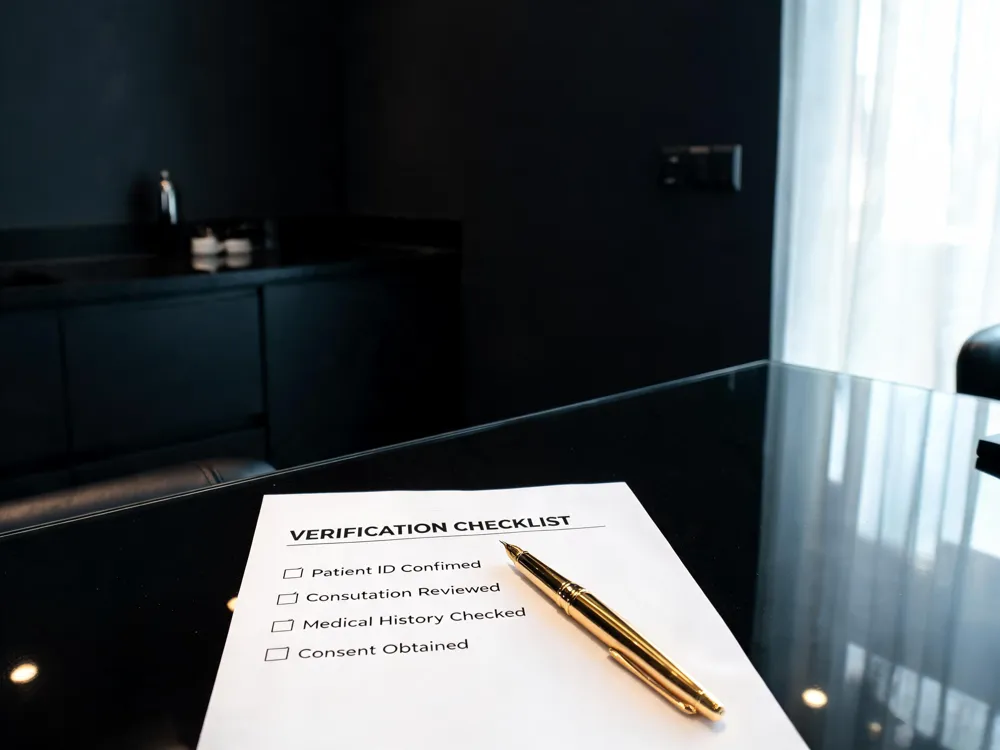
How do I pick a good plastic surgeon?
Selecting a surgeon is the most critical decision you will make. Begin by verifying board certification with the American Board of Plastic Surgery (ABPS)—the only board recognized by the American Board of Medical Specialties for this field. This guarantees at least six years of surgical training, rigorous exams, and a commitment to ongoing education in accredited facilities.
How do I verify a surgeon's experience with my specific procedure?
Ask directly about their case volume and request to review before-and-after photos, especially of patients with similar anatomy. A skilled surgeon will have a portfolio of natural-looking results and an artistic eye that aligns with your aesthetic goals, demonstrating their surgical mastery and ability to personalize care.
What should a thorough consultation include?
The consultation is your opportunity to assess safety and rapport. Your surgeon should thoroughly discuss your goals, medical history, and safety protocols, including the accredited surgical facility and emergency plans. This ensures a partnership built on trust and personalized care, avoiding a one-size-fits-all approach.
What resources can I use to find a qualified surgeon?
Use the ASPS 'Find a Surgeon' tool to locate ABPS-certified members. Checking if a surgeon has hospital privileges is another reliable proxy for credentialing, as hospitals rigorously vet the practitioners they allow to operate.
Tying these steps together ensures you choose a surgeon who delivers safe, elegant, and personalized results, restoring both your confidence and trust. Remember, surgery is a medical procedure with only one chance to be done right—prioritize expertise over cost.
The Ongoing Commitment: Maintaining Certification and a Culture of Safety
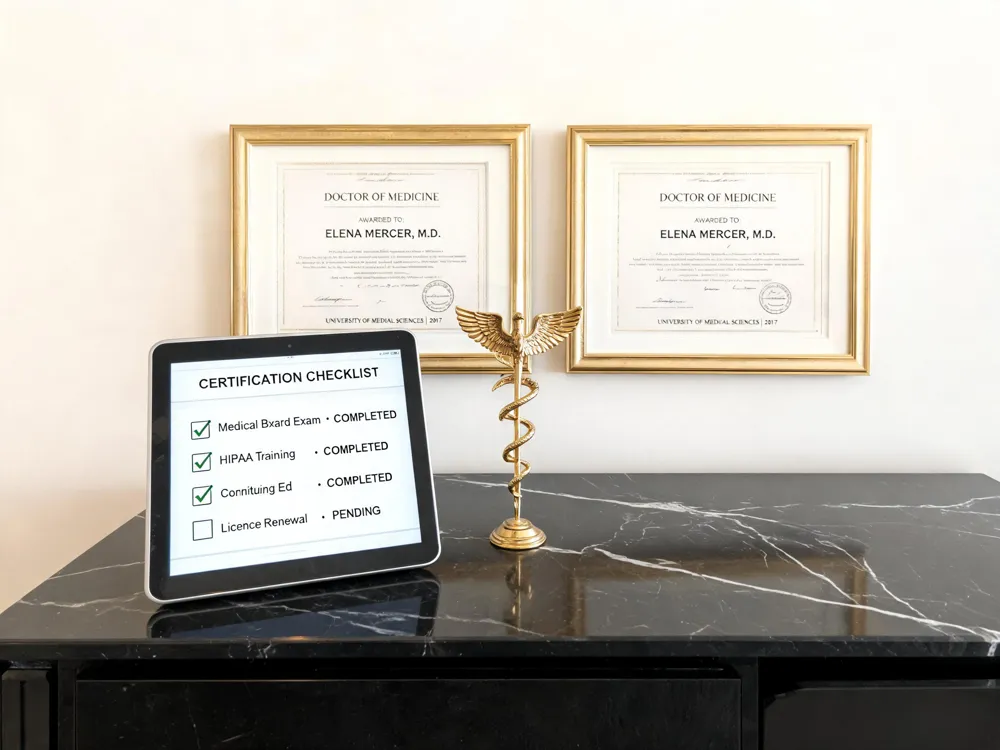 What is the board's role in quality and patient safety in surgical practices?
The governing board of a healthcare organization holds ultimate responsibility for the quality and safety of the care it delivers. This includes establishing a clear vision for a culture of safety and providing the necessary resources for its execution. Federal guidelines, such as the Centers for Medicare & Medicaid Services (CMS) quality assessment performance improvement (QAPI) guidelines, mandate that governing bodies conduct periodic reviews of the organization's quality goals, ensuring accountability from the boardroom to the bedside. This framework dictates that patient outcomes and safety metrics are routine agenda items, with the board actively involved in oversight to prevent adverse events.
Board Certification: A Dynamic Process, Not a One-Time Achievement
Board certification from the American Board of Plastic Surgery (ABPS) is not a static credential; it signals an ongoing commitment to excellence. For diplomates certified after 1995, participation in the ABPS Continuous Certification program is mandatory. This program ensures that surgeons remain at the forefront of their specialty, directly benefiting patient safety and outcomes.
The ABPS Continuous Certification Program: Key Requirements
The ABPS Continuous Certification program is a multi-faceted process that goes beyond simple renewal. It comprises several key components designed to assess and enhance a surgeon's knowledge, skills, and professional standing throughout their career.
| Component | Description | Frequency & Requirements | Patient Safety Benefit |
|---|---|---|---|
| Self-Assessment | An annual longitudinal learning activity consisting of 30 multiple-choice questions in a chosen module (e.g., Cosmetic, Craniomaxillofacial). | Complete online; at least 8 passing scores in a 10-year cycle, or 4 in a 5-year cycle. | Ensures surgeons stay current with evolving evidence-based practices and advancements in their specialty. |
| Practice Improvement Activity | Quality-focused projects that demonstrate active efforts to improve care. | Options include a published Quality Improvement Project, registry participation (e.g., TOPS, GRAFT), or a Tracer Procedure Log reviewing 10 consecutive patient charts. | Promotes a systematic approach to identifying areas for improvement and benchmarking outcomes against peers. |
| Continuing Medical Education (CME) | At least 125 hours of Category I CME in plastic surgery, with a dedicated focus on patient safety. | A minimum of 25 hours must be in patient safety; submitted by Year 6 of a 10-year cycle, or Year 4 of a 5-year cycle. | Directly addresses the vital role of safety science—such as infection control, complication management, and risk mitigation—in clinical practice. |
| Professional Standing Update | A comprehensive audit of a surgeon's credentials, including all medical licenses, hospital privileges, and work history. | Full audit due by Year 9 of a 10-year cycle, or Year 4 of a 5-year cycle; includes three peer evaluations. | Verifies that the surgeon remains in good standing with regulatory bodies and maintains active inpatient privileges at accredited hospitals, a key indicator of competence. |
Connecting Oversight to Broader Safety Frameworks
The ABPS Continuous Certification program aligns perfectly with broader national safety initiatives. The rigorous oversight required by the ABPS helps practices comply with CMS QAPI guidelines and meet the credentialing standards of organizations like the Joint Commission. This integrated approach ensures that a board-certified surgeon is not only individually accountable but also embedded within a system that prioritizes quality and safety at every level.
Direct Benefits for the Patient
These comprehensive requirements mean that when you choose a board-certified plastic surgeon, you are selecting a professional who is actively and demonstrably committed to your safety. The surgeon's ongoing education and quality improvement activities translate directly into:
- Current Knowledge: Application of the latest, most effective and safest surgical techniques.
- Proactive Risk Management: A mindset trained to identify and mitigate potential complications before they arise.
- Data-Driven Care: An ability to benchmark their outcomes against national standards to ensure consistently high-quality results.
- Accountability: A clear demonstration of competence and ethical standing, providing peace of mind that your care is in capable hands.
The ABPS mission is “to promote safe, ethical, efficacious plastic surgery to the public.” The Continuous Certification program is the mechanism by which this mission is upheld every day, ensuring that your surgeon’s commitment to excellence is a lifelong pursuit.
The Pillars of a Safer Practice: Systems, Facilities, and Expertise

What are the 7 steps of patient safety in plastic surgery? Integrating them into a narrative about operational excellence.
Patient safety is not a single act, but an integrated system. While there is no rigid 7-step checklist for plastic surgery, the core principles include: building a pervasive safety culture, proactively identifying and mitigating risks, ensuring transparent communication with patients, and continually learning from outcomes to prevent future harm. In a high-end practice, these principles are foundational. Every decision—from facility selection to surgical planning—is guided by a commitment to safety that is as meticulous as the surgical technique itself. This culture allows for the bold artistry of aesthetic enhancement, executed within a framework of uncompromising risk management.
Board-certified surgeons must operate in accredited, state-licensed, or Medicare-certified surgical facilities.
Operational excellence begins with the operating environment. The American Society of Plastic Surgeons mandates that its member surgeons perform procedures only in accredited, state-licensed, or Medicare-certified surgical facilities. Accreditation by organizations like the American Association for Accreditation of Ambulatory Surgery Facilities (AAAASF) represents the gold standard. These facilities enforce uniform, rigorous standards for everything from sterile processing to emergency preparedness and anesthesia protocols. For a discerning patient, this ensures that the boutique, spa-like setting is backed by hospital-level safety infrastructure.
Perioperative safety measures and the importance of specialized training in handling complications.
Safety extends from the first consultation through recovery. Rigorous pre-operative patient selection includes risk assessment for comorbidities like sleep apnea and obesity. Intraoperative care involves strict use of surgical safety checklists, advanced monitoring (such as mandatory capnography for sedation), and protocols to prevent hypothermia and venous thromboembolism. Crucially, board certification verifies that a surgeon has the specialized training to anticipate, prevent, and, if necessary, expertly manage complications. This competency is not assumed; it is proven through years of residency, fellowship, and continuous certification.
Tying these elements to the personalized, boutique experience.
This sophisticated safety infrastructure is the silent partner of surgical artistry. It is what allows a practice to offer a personalized, calming experience without compromising on clinical rigor. The predictable, controlled environment minimizes risk and maximizes the potential for a smooth recovery and natural-looking results. Ultimately, the most luxurious outcome is one that is both beautiful and safe, restoring confidence through an experience that is as reassuring as it is transformative. This is the true mark of a master surgeon's practice.
| Safety Element | High-End Practice Integration | Patient Benefit |
|---|---|---|
| Facility Accreditation | AAAASF-certified private surgical suite | Consistency with hospital-level sterility and safety in a private setting |
| Pre-Operative Risk Stratification | Comprehensive health and lifestyle assessment | Personalized anesthesia and surgical plan, minimizing complication risks |
| Intra-Operative Monitoring | Mandatory capnography and advanced life support protocols | Real-time vigilance for respiratory and cardiac events, ensuring immediate response |
| Surgeon Training & Certification | ABPS board certification with ongoing CME | Proven competency in managing complications and employing advanced techniques |
| Culture of Safety | Structured team briefings and transparent outcome tracking | Proactive prevention of errors, fostering patient trust and a learning environment |
Empowering Your Choice: Recognizing True Credentials and Red Flags
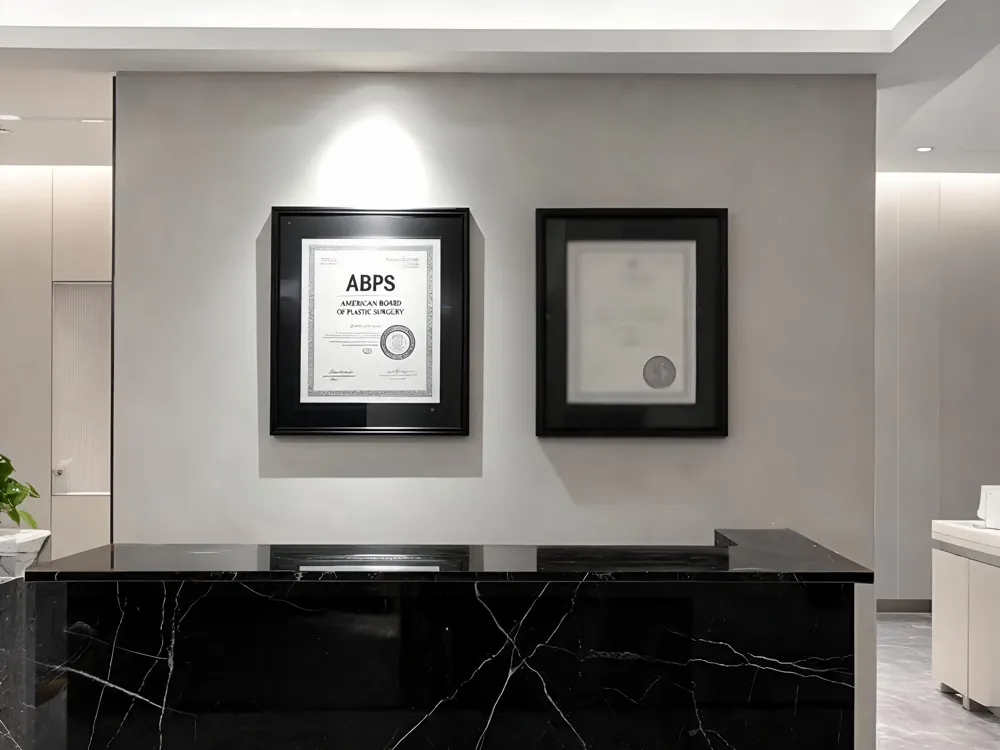
Is ABPS board certification widely recognized and worth it for surgeons? How can I become board-certified in plastic surgery?
The American Board of Plastic Surgery (ABPS) holds singular status as the only board for plastic surgery recognized by the American Board of Medical Specialties (ABMS), a standard-setter since 1934. Earning ABPS certification is a demanding, multi-year commitment. Surgeons must graduate from an accredited medical school, then complete at least six years of surgical training, including a minimum of three years in an accredited plastic surgery residency. They must pass rigorous oral and written examinations that test not only surgical knowledge but also ethical standards and clinical judgment. Ongoing certification demands annual continuing medical education in patient safety and periodic re-examination, ensuring skills remain current. This credential is widely recognized by hospitals, insurers, and patients as the gold standard for quality and safety in cosmetic and reconstructive surgery.
Distinguishing ABPS certification from misleading certifications
A critical distinction exists between ABPS certification and boards that use the term “cosmetic” in their name. No ABMS-recognized certifying board includes “cosmetic surgery” in its title. Some physicians advertise “board-certified in cosmetic surgery” from unrecognized boards that require far less training—sometimes only weekend courses. In contrast, ABPS certification verifies comprehensive training in both reconstructive and aesthetic procedures, providing surgeons with the anatomical knowledge to handle complications and deliver natural, safe results.
Red flags: Vague claims and lack of hospital privileges
Patients should watch for several warning signs. A surgeon claiming to be “board-certified” without specifying the specialty is a major red flag. Legitimate ABPS diplomates clearly state their certification. Another concern is a lack of hospital privileges. Hospitals require rigorous credentialing to grant surgical privileges; a surgeon operating exclusively in a non-accredited office may be bypassing this scrutiny. Always verify credentials by asking: “Are you certified by the American Board of Plastic Surgery?” and checking the ABPS or ASPS Find a Surgeon tools.
ASPS membership as a reliable trust marker
Choosing an ASPS member surgeon offers a dependable shortcut to verifying qualifications. ASPS requires all members to be certified by the ABPS (or the Royal College of Physicians and Surgeons of Canada) and to meet mandatory requirements: at least six years of surgical training, passing comprehensive exams, completing annual CME in patient safety, and operating only in accredited facilities. The ASPS Symbol of Excellence is a visible trust marker, ensuring the surgeon adheres to strict ethical and safety standards.
The value of certification: A commitment to excellence
Ultimately, board certification represents a deep commitment to ethical practice and patient safety. For a luxury practice dedicated to personalized, natural-looking outcomes, this credential is non-negotiable. It assures patients that every procedure, from facelift to body contouring, is performed by a surgeon who has met the highest standards of training, ethics, and ongoing education—the foundation of a safe, refined, and confidence-restoring experience.
At a Glance: ABPS Certification vs. Misleading Credentials
| Credential | Recognized by ABMS | Typical Training Required | Verification Method |
|---|---|---|---|
| ABPS Board-Certified Plastic Surgeon | Yes | 6+ years surgical training, 3+ years plastic surgery residency | ASPS Find a Surgeon tool, ABPS online search |
| Unrecognized “Cosmetic” Board | No | Varies; may involve short courses | Not listed on ABMS website |
| Non-specialist “Board-Certified” (e.g., in dermatology, urology) | Not in plastic surgery | No specific plastic surgery residency | Ask directly: “By which board?” |