
A Boutique Experience Begins
At Madison Plastic Surgery, every element of the patient experience is designed around privacy, warmth, and refined care. As a 100% cosmetic practice, the focus remains solely on aesthetic outcomes, allowing the team to deliver specialized, artful results in a setting that feels personal and unhurried.
The Morning Consultation: Personalized and Unhurried
 Your journey at Madison Plastic Surgery begins the moment you walk through the door. The clinic at 1255 Fourier Dr, Ste 102 is designed to feel modern, calming, and discreet — an environment that puts patients at ease from the start. Every detail, from the private entrance to the thoughtful layout of the treatment areas, reflects the practice's commitment to a boutique experience built around comfort and individualized attention.
A Warm Welcome and Personalized Coordination
Upon arrival, the Patient Care Coordinator greets you and serves as your primary liaison throughout the entire process. This role is central to the Madison Plastic Surgery experience — the coordinator handles all pre-operative logistics, including scheduling, insurance verification, and financial arrangements, allowing the clinical team to focus entirely on your care. By managing these details with meticulous, HIPAA-compliant precision, the coordinator ensures that your experience feels seamless and unhurried, from the first handshake to your final follow-up.
VIP Concierge Consultation for a High-Touch Experience
For patients who desire an even more private and elevated experience, Madison Plastic Surgery offers a VIP Concierge Consultation. This option provides a dedicated point of contact who personally assists with every aspect of planning and scheduling. The concierge line — 608-736-8606 — is available for select patients who want a truly personalized journey, with guidance that extends from the initial call to post-procedure recovery coordination. This level of attention is especially valued by out-of-town patients traveling from markets like Chicago, Milwaukee, or Lake Geneva, who appreciate the practice's ability to minimize travel days while maximizing comfort and support.
Discussing Your Aesthetic Goals with Board-Certified Surgeons
During the consultation, you meet one of the practice's board-certified surgeons — Dr. Kyle Luvisa, Dr. Ellen Via, or Dr. Peter Wirth — in a private setting that feels more like a conversation than a clinical exam. The discussion centers on your aesthetic goals, concerns, and expectations. The surgeon listens carefully, asks thoughtful questions, and explains which procedures align with your anatomy and desired outcome. This unhurried dialogue is the foundation of the personalized treatment plan that follows.
The team's philosophy emphasizes enhancement over perfection. "We focus on enhancement — not unrealistic ideals," states the practice's guiding principle. "We believe the most beautiful results are the ones that still feel like you." This honest, thoughtful approach helps patients feel confident in their choices without pressure.
Reviewing Procedure Options and Safety Protocols
After understanding your goals, the surgeon reviews the full range of relevant procedure options — from breast augmentation and facelifts to non-surgical treatments like injectables and skin rejuvenation. Each option is presented with its benefits, recovery timeline, and potential risks, empowering you to make an informed decision. Safety is a central theme: the practice's fully accredited, office-based surgery center allows greater control over protocols, scheduling, and the overall patient experience. This setting enhances privacy and ensures that the same team cares for you from check-in through recovery.
Building a Personalized Treatment Plan
The consultation concludes with a customized treatment plan that considers proportion, balance, and long-term refinement. The surgeon may recommend a single procedure or a combination, such as a mommy makeover or a facial rejuvenation plan, tailored to your unique anatomy. The coordinator then schedules any necessary pre-operative evaluations and reviews financial options, including payment plans, to remove barriers to care. From this point forward, every step is designed to feel supportive and well-orchestrated — a true reflection of the boutique, concierge-level service that defines Madison Plastic Surgery.
| Consultation Element | What It Involves | How Madison Plastic Surgery Delivers It |
|---|---|---|
| First Contact | Scheduling and initial inquiry | Patient Care Coordinator handles all logistics; VIP concierge line for high-touch needs |
| Surgeon Meeting | Discuss aesthetic goals, procedure options, risks | Board-certified surgeons (Dr. Luvisa, Dr. Via, Dr. Wirth) in a private, unhurried setting |
| Safety & Facility | Review of accredited surgical center | Fully accredited, office-based surgery center for enhanced privacy and safety control |
| Treatment Plan | Customized proposal with timeline and costs | Personalized plan emphasizing proportion, balance, and realistic expectations |
Preparing for Surgery Day: Logistics and Comfort
Thoughtful preparation before surgery day creates the foundation for a calm, safe recovery. At Madison Plastic Surgery, patients receive detailed written pre-operative instructions covering medication adjustments, home setup, and what to expect during the first 48 hours. Following these guidelines closely reduces anxiety and helps the body heal.
Medication Adjustments and Pre-Operative Instructions
Certain medications must be paused or adjusted before surgery. Anticoagulants (blood thinners) and drugs like aspirin or ibuprofen increase bleeding risk; the perioperative management of anticoagulants depends on the drug and the patient's underlying condition. Your surgeon will coordinate with your prescribing physician to determine when to stop each medication and whether bridging therapy is needed. Do not stop any prescribed medication without explicit instructions from your Madison Plastic Surgery team.
What to Wear and What to Bring
Dress in loose, easy-access clothing that does not require lifting your arms overhead. For upper-body procedures a front-buttoning top or zip-up hoodie is ideal. Choose slip-on shoes to avoid bending. Leave jewelry, contact lenses, and makeup at home. Bring your photo ID, insurance card, and a list of current medications.
Arranging a Caregiver for the First Days
A responsible adult must stay with you for at least the first 24 to 48 hours after surgery. This person helps with medications, meal preparation, bathroom assistance, and monitoring for any concerns. As guidance from UCLA Health post-operative resources notes, having someone present supports both safety and peace of mind during the acute recovery phase.
Stocking Your Home Before Surgery
Fill all prescriptions before your procedure so they are ready when you return home. Stock your kitchen with soft, easy-to-digest foods (broth, yogurt, applesauce, crackers) and plenty of electrolyte-rich hydration drinks. Avoid heavy, salty, or sugary foods that can worsen swelling. Pre-portion meals and drinks so you do not need to reach, lift, or twist.
Setting Up a Quiet Recovery Zone
Prepare a clutter-free resting area with extra pillows for elevation, a phone charger, water bottles, light snacks, and entertainment such as books or a tablet. Keep a notepad and pen nearby to track medications and notes for your follow-up calls. A calm, organized space allows you to rest fully and follow your recovery plan without unnecessary trips around the house.
Medication Plan. Stop anticoagulants per the surgeon's schedule; coordinate with prescribers; bring a current medication list on surgery day.
Clothing. Front-button tops, slip-on shoes; no jewelry or heavy makeup.
Caregiver. Arrange a responsible adult to stay with you for 24–48 hours post-op.
Home Stock. Fill prescriptions, stock soft foods and electrolyte drinks, pre-portion meals.
Recovery Zone. Setup for elevation, charging, hydration, and rest; keep a notepad for questions.
The Procedure: Where Safety Meets Artistry
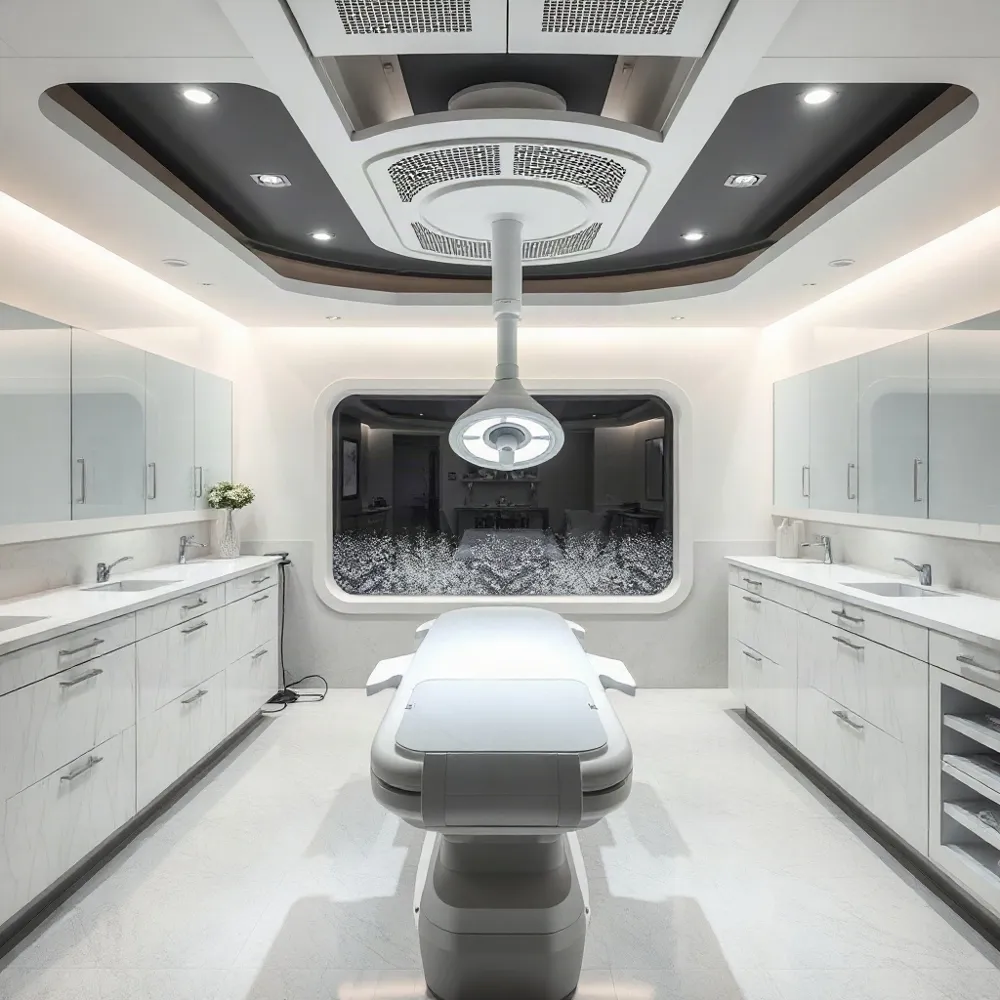 On the day of your procedure, the setting is just as important as the surgical skill. Madison Plastic Surgery's own fully accredited office-based surgery center offers a private, streamlined experience from check-in to recovery. This controlled environment ensures consistent safety protocols, a familiar team, and the highest standards of professionalism—without the institutional feel of a hospital.
The surgical team, led by board-certified surgeons trained in advanced coastal aesthetics, approaches each case with a philosophy of enhancement rather than perfection. Meticulous technique and a focus on natural proportion guide every incision. For many procedures, local anesthesia with epinephrine is used to minimize bleeding and reduce the need for deeper sedation, supporting a safer and more comfortable experience.
Most procedures are performed on an outpatient basis — patients arrive in the morning and return home or to a supervised recovery setting within hours. This same-day model, paired with the practice's individualized post-operative planning, allows healing to begin in a familiar environment while maintaining close clinical oversight.
The goal is a result that feels like you — rested, refreshed, and refined. By combining an accredited facility, specialized surgical mastery, and concierge-level attention to comfort, Madison Plastic Surgery ensures that artistry and safety are never separate considerations.
Accredited Facility. Office-based surgery center with rigorous safety standards and a consistent care team.
Expert Surgeons. Board-certified specialists focused on natural elegance and meticulous technique.
Outpatient Model. Same-day discharge with personalized recovery support and close follow-up.
Recovery Begins: Navigating the First Days
 The first 48 to 72 hours after surgery set the tone for the entire recovery. This is the window when your body begins its work of healing at a cellular level, and your environment must be arranged around rest, monitoring, and comfort. Having a dedicated caregiver present full-time is essential — someone to help with medications, meals, and bathroom trips, and to be there in case of an emergency. Studies from UCLA Health confirm that patients who are in significant pain or under stress during this period require longer healing times, making quiet, uninterrupted support as important as any medical intervention.
Managing the Peak: Why Day 3 Is the Hardest
It is normal for discomfort, swelling, and pressure to increase around day three after surgery. This happens because inflammation reaches its peak between 48 and 72 hours post-procedure, and the long-acting anesthetics from the operating room have fully left your system. Many patients worry that this intensification signals a complication, but it is actually a predictable phase of the healing cascade. The body is delivering fluid and immune cells to the surgical site — the same process that ultimately drives tissue repair. At Madison Plastic Surgery, your care team prepares you for this moment, so you recognize it as a milestone rather than a setback.
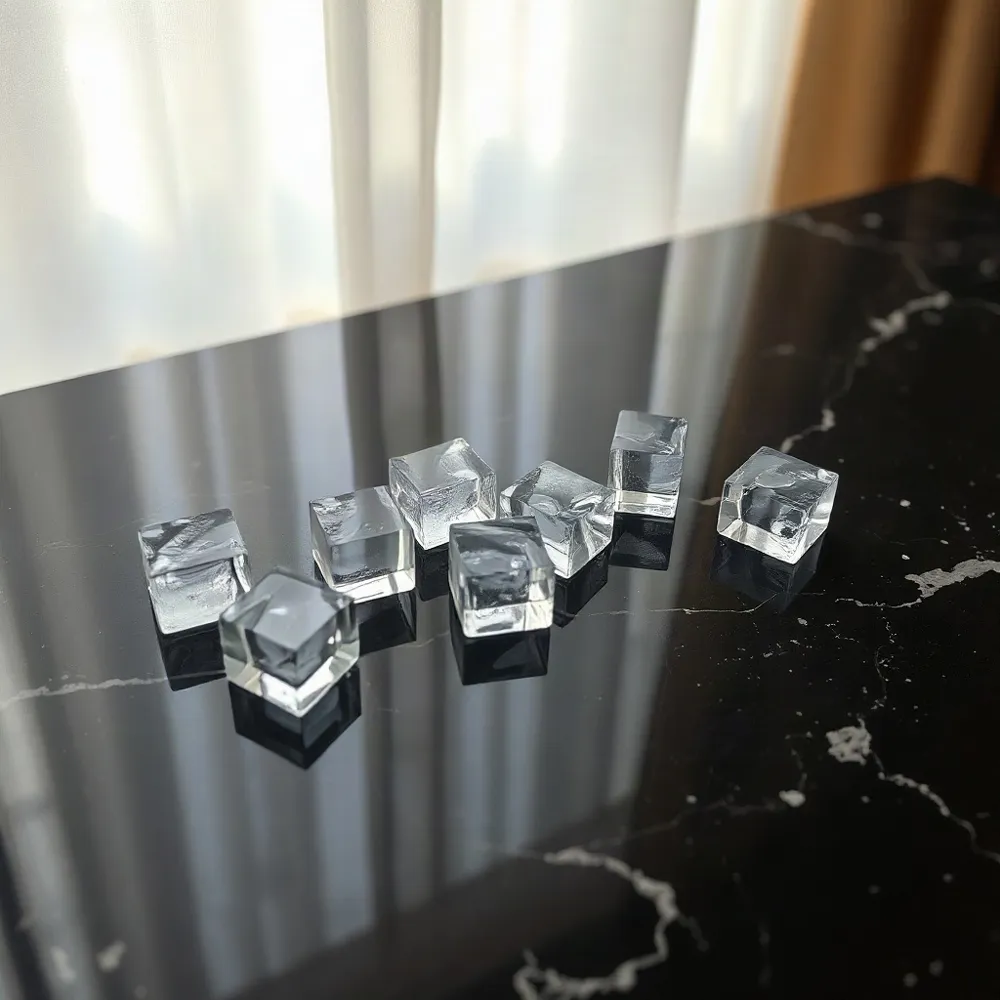
During this peak, consistent icing — applied indirectly, never directly against the skin — helps keep swelling in check. Switch the ice pack every 15 to 20 minutes, using a light cloth barrier, to maintain a cool temperature without risking the skin. Keeping the operated area elevated with pillows further encourages fluid drainage and reduces the pressure sensation that makes day three feel particularly challenging.
The Five P’s of Post-Op Care
A structured nursing framework called the Five P’s helps you track what matters most during the first 72 hours. Each element targets a specific aspect of your well-being:
Pain. Take prescribed medications on a scheduled basis during the first 48 hours, then transition to as-needed dosing. Pain that does not respond to medication should be reported to your surgeon.
Potty. Monitor urinary output and bowel function. Anesthesia, pain drugs, and reduced mobility often cause constipation; a stool softener (recommended by your surgeon) helps prevent unnecessary strain.
Puke. Nausea is common after anesthesia. Have light snacks — crackers, broth, apple sauce — ready before you feel hungry, so you never take medication on an empty stomach.
Perfusion. Check circulation by assessing pulse, skin color, and capillary refill at the extremities. Sudden changes in color or sensation warrant an immediate call to your surgeon.
Prevention. Focus on infection and blood-clot prevention: change dressings as instructed, keep incisions dry, wear prescribed compression garments, and perform gentle walking as soon as your surgeon clears it.
Light Meals, Hydration, and Gentle Movement
During the first 24 hours, eat small, low-sodium meals to avoid bloating and constipation. Protein-rich soft foods (eggs, yogurt, smoothies with protein powder) support tissue repair, and staying hydrated with water or electrolyte drinks helps flush anesthesia byproducts from the system. Your surgeon will also specify which medications to continue and which to pause — especially if you were taking anticoagulants, which require careful timing around surgery.
As soon as you are comfortable, begin gentle walking around the house and perform ankle pumps in bed — point and flex your feet toward your knees. These simple movements promote venous return, reduce the risk of blood clots, and keep fluid from pooling in the lower extremities. Most patients can manage this within the first 12 to 24 hours, and it makes a real difference in how quickly swelling subsides.
Days to Weeks: Guided Healing and Follow-Up
The first follow-up visit, usually scheduled between day five and day seven, marks a significant milestone. At this appointment, the surgeon removes sutures and drains, inspects incisions for signs of infection or delayed healing, and assesses swelling progression. Setting this appointment before surgery is a standard part of preparation, and it is reinforced in pre-operative materials to ensure patients have no surprises about the schedule.
Many patients can return to light desk work within one to two weeks after most procedures, as the body is ready for gentle activity by then. Continuing to wear prescribed compression garments helps minimize postoperative swelling and supports tissue positioning. At Madison Plastic Surgery, the team provides clear guidance on garment wear duration and fitting, ensuring patients stay comfortable while optimizing their results.
Scar Care and Nutrition in the Healing Phase
Scar management begins early—moisturization, silicone taping, and strict sun avoidance are the cornerstones of long-term scar improvement. A high-protein diet supports tissue repair, while complete abstinence from alcohol and nicotine is critical for proper wound healing, as they can significantly slow recovery and increase the risk of complications.
Beyond the First Month: Long-Term Results and Confidence
The weeks following surgery focus on healing and gradual improvement, but the final aesthetic outcome takes time. For most procedures, the true results become visible between three and six months after surgery, as swelling fully resolves and tissues settle into their new contours.
Sunscreen. Daily use of a broad-spectrum sunscreen with zinc oxide or titanium dioxide protects healing incisions from hyperpigmentation and helps maintain the result for years to come.
Stable weight. Significant weight fluctuation after surgery can alter the surgical outcome, so maintaining a stable weight supports the longevity of the result.
Healthy lifestyle. Proper nutrition, hydration, and avoidance of smoking support tissue health and help scars mature into fine, flat lines.
Patient satisfaction remains high for those who enter surgery with clear, realistic expectations. A systematic review published in The American Journal of Surgery found that regret rates range from 0 to 47.1% depending on the procedure and circumstance, with the lowest rates reported for breast augmentation (5.1–9.1%) and higher variability for body contouring (10.82–33.3%). Thorough preoperative education and a focus on natural-looking, balanced outcomes help patients feel confident in their choice.
At Madison Plastic Surgery, the philosophy centers on refinement over perfection. The team's goal is to enhance natural features—producing results that feel like the patient, only more rested and confident—rather than chasing an unrealistic ideal. Patient testimonials consistently describe outcomes as
"flawless, soft, natural, and exactly what I wanted," noting that the confidence restored by a thoughtful surgical plan extends far beyond the first month of recovery.
Support Beyond Surgery: Concierge Care at Every Step
A patient's relationship with their surgical team does not end when the procedure is finished. At Madison Plastic Surgery, every patient is assigned a Patient Care Coordinator who serves as a continuous liaison for questions, scheduling, and recovery guidance from the initial call through the final follow-up. This dedicated point of contact ensures that patients never feel abandoned after returning home, eliminating the uncertainty that can complicate healing.
For patients traveling from Milwaukee, Chicago, or further destinations, the practice offers a VIP concierge coordination service accessible through a private line at 608-736-8606. The team handles everything from coordinating consultation and procedure scheduling to providing guidance on nearby accommodations, minimizing travel days while maximizing comfort. As noted by the American Society of Plastic Surgeons, proper preparation and clear communication between patient and surgeon are essential for a smooth recovery.
Long-term aesthetic maintenance is supported through the practice's offerings of non-surgical treatments such as injectables (BOTOX, Dysport, Daxxify) and dermal fillers, as well as a curated skincare shop featuring brands like Skinbetter, SkinMedica, Plated, and ZO Skin Health, designed to support skin health and enhance surgical outcomes.
Financing options, virtual consultations for out-of-town patients, and comprehensive aftercare services are all part of the elevated experience at Madison Plastic Surgery. To begin planning your personalized journey, schedule a free consultation at madisonps.com or call (608) 903-9253.
Your Journey to Natural Elegance Begins Here
From the first unhurried conversation through the final stages of healing, the experience at Madison Plastic Surgery is built around safety, artistry, and personalized care. Every step, from the private consultation to the concierge-level recovery support, is designed to produce results that feel refined and naturally your own.
Schedule a VIP consultation to explore how a customized treatment plan can bring your aesthetic goals to life. Contact the practice at (608) 903-9253 to begin.