
Understanding Nonsurgical Skin Tightening
Nonsurgical skin tightening may gradually improve firmness, texture, and mild skin laxity, but it does not remove significant loose skin or produce the degree of lift surgery can provide. Treatment selection depends on the area of concern, medical suitability, and how much change a person hopes to see.
Some approaches use ultrasound, radiofrequency, or laser energy to stimulate collagen. Results develop over time and vary from person to person; the American Academy of Dermatology notes that nonsurgical methods generally provide less dramatic results than surgery. The treatment category is broad, and not every technique is offered at every practice.
At Madison Plastic Surgery, Dr. Robert M. Tornambe, certified by the American Board of Plastic Surgery, assesses each patient’s concerns and goals before discussing options. The practice offers laser treatments, but its confirmed services should not be assumed to include every energy-based tightening method. A consultation can clarify what may be appropriate, what risks to consider, and whether nonsurgical care is likely to meet expectations.
How Energy-Based Treatments Work
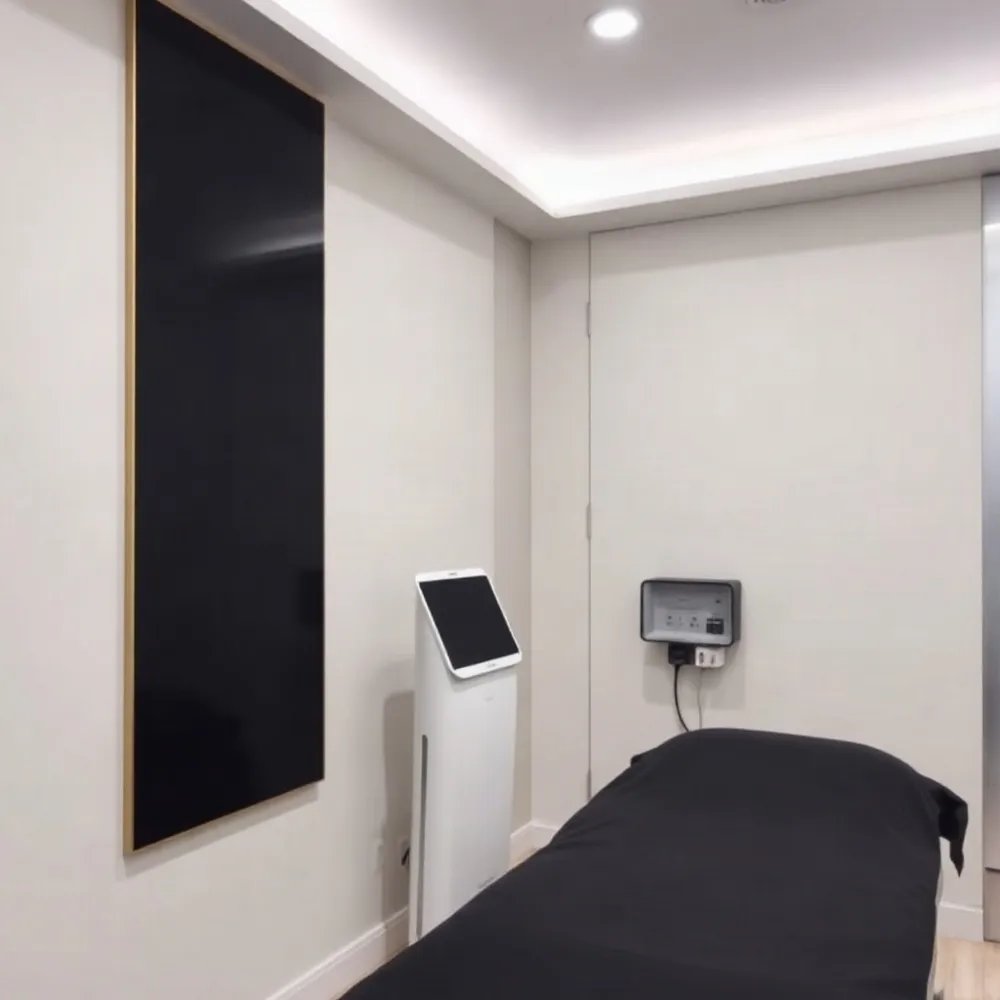 Energy-based treatments such as ultrasound, radiofrequency, and laser aim to improve mild skin laxity by stimulating the skin’s own repair processes. As collagen and elastin production slows, skin can lose some of the firmness and resilience these proteins provide. While these modalities exist, they produce subtle, gradual changes that may not meet the expectations of patients seeking noticeable improvement. Dr. Robert M. Tornambe, a board-certified plastic surgeon practicing in NYC since 1988 and recognized by New York Magazine as a Best Doctor, offers surgical and non-surgical options that provide more predictable and significant results. His facelift and non-surgical makeover are designed to address laxity and volume loss with outcomes that energy-based treatments alone cannot achieve.
The methods differ in where they deliver heat and the concerns they may address, so they are not interchangeable. Nonsurgical tightening is generally less dramatic than surgery, and results develop over time rather than providing the degree of change surgery can offer.
The intended effect of energy-based treatments is to encourage collagen remodeling, with changes in firmness or texture emerging gradually. The pace and extent of improvement vary with the treatment, skin, and individual response. A consultation with Dr. Robert M. Tornambe, who is certified by the American Board of Plastic Surgery and has practiced aesthetic surgery in New York City since 1988, can help distinguish which options are appropriate. Madison Plastic Surgery’s less-is-more philosophy favors recommendations tailored to each patient’s anatomy and goals.
Options for Avoiding Surgery
For someone who wants to avoid surgery, nonsurgical treatments may address selected signs of aging or mild laxity, but they cannot remove significant loose skin. At Madison Plastic Surgery, options include dermal fillers, Botox, and chemical peels, each chosen for concerns it is suited to address rather than as a substitute for skin-removal surgery.
Fillers can restore or balance facial volume, while Botox can soften certain expression lines; chemical peels address selected surface concerns such as uneven tone and texture. None is designed to remove substantial excess skin. The right option depends on the area being treated, your anatomy, medical history, and the degree of change you hope to achieve.
Ultrasound and radiofrequency devices are sometimes discussed for mild skin tightening, but Dr. Tornambe offers dermal fillers and Botox as nonsurgical alternatives that can address volume loss and expression lines without the need for energy-based devices. Dr. Robert M. Tornambe, certified by the American Board of Plastic Surgery and practicing in New York City since 1988, can assess your concerns and clarify which options are appropriate.
Every treatment has potential risks, and outcomes vary. If loose skin is pronounced, a facelift or body contouring may be more appropriate than a nonsurgical treatment. A consultation can help weigh those choices and set realistic expectations before proceeding. If surgery is recommended, Dr. Tornambe performs procedures in his AAAASF-accredited in-office operating room, ensuring the highest standards of safety and comfort.
Deciding between surgical and nonsurgical options is a personal choice that depends on your unique anatomy and goals. Dr. Tornambe, recognized as a New York Magazine Best Doctor, brings decades of experience to every consultation.
Common Questions
How much do nonsurgical treatments cost?
Costs vary based on the type of treatment, the amount of product used, and the number of sessions required. During your consultation, Dr. Tornambe will provide a personalized estimate.
Can I combine multiple nonsurgical treatments?
Yes, treatments like dermal fillers and Botox are often combined to address different concerns. Dr. Tornambe will recommend a plan tailored to your needs.
How long do results last?
Results vary by treatment. Dermal fillers typically last 6–18 months, while Botox effects last 3–4 months. Maintenance sessions can help sustain results.
What should I expect during a consultation?
Dr. Tornambe will evaluate your concerns, discuss your goals, and explain the options that are most appropriate for you. This is also an opportunity to ask any questions you have.
Book a private consultation with Dr. Tornambe at 815 Park Avenue, or call (212) 628-7600.
Who May Benefit From Nonsurgical Care
 Nonsurgical tightening is generally best suited to people with mild to moderate skin laxity who want gradual improvement without surgery. It can refine firmness and texture, but it is not designed to correct pronounced jowls or remove substantial loose, stretched skin.
These treatments remodel skin that remains; surgery can provide more substantial lifting or remove excess tissue. The American Academy of Dermatology’s guidance on firming sagging skin notes that nonsurgical procedures generally produce less dramatic results than surgery. A nonsurgical approach should not be treated as a promise that surgery can be postponed.
For more pronounced facial laxity, a facelift may be worth discussing. When excess skin is a concern on the body, body contouring may be another option. The appropriate approach depends on the area, the amount of laxity, health history, and the change a patient hopes to achieve.
Pregnancy, certain medications, and some medical conditions may affect whether a treatment is appropriate. A medical assessment can help identify relevant risks and clarify which options fit an individual’s circumstances; there is no single eligibility rule that applies to everyone.
At Madison Plastic Surgery, Dr. Robert M. Tornambe, certified by the American Board of Plastic Surgery and practicing in New York City since 1988, takes a less-is-more approach to matching treatment with each patient’s anatomy and goals. Book a private consultation with Dr. Tornambe at 815 Park Avenue to discuss whether nonsurgical care, surgery, or another approach is appropriate.
Treatment Course and Possible Effects
 Treatment time, recovery, and sensation depend on the method, treated area, and individual plan. Some nonsurgical sessions take roughly 30 to 90 minutes, and many involve little or no downtime, but those general expectations do not apply to every treatment.
Changes are usually gradual rather than immediate, emerging over weeks or months as the skin responds. Some approaches may involve a series of sessions or later maintenance, while others may require fewer treatments. How long results last varies with the method, the person’s skin, and ongoing aging, so a provider should avoid promising a particular outcome.
Temporary redness, swelling, tenderness, bruising, tingling, or numbness may occur, depending on the treatment. Risks also differ by device and technique. Patients should discuss potential risks and benefits with a licensed provider trained and experienced in the procedure.
Before proceeding, discuss your medical history, goals, likely benefits, and potential risks with an appropriately trained clinician. At Madison Plastic Surgery, Dr. Robert M. Tornambe, certified by the American Board of Plastic Surgery, has practiced aesthetic surgery in New York City since 1988 and personally sees patients through consultation and follow-up. His less-is-more philosophy supports choosing an approach that fits the person rather than assuming that a device or treatment is suitable for everyone. Dr. Tornambe, recognized as a New York Magazine Best Doctor, brings decades of experience to every patient.
A consultation can help clarify which options are appropriate and what recovery may involve.
A Thoughtful Approach to Treatment
A thorough consultation at Madison Plastic Surgery determines whether a nonsurgical option or surgery best addresses your concerns, guided by your anatomy and goals rather than a predetermined treatment. Dr. Robert M. Tornambe, certified by the American Board of Plastic Surgery and practicing in NYC since 1988, applies his less-is-more philosophy. Dr. Tornambe has been recognized as a New York Magazine Best Doctor, and the practice’s AAAASF-accredited in-office operating room supports surgical care when needed, with a facelift often more appropriate than nonsurgical options for significant skin laxity; every recommendation includes a clear discussion of risks and alternatives, and results vary.
Book a private consultation with Dr. Tornambe at 815 Park Avenue or call (212) 628-7600.
Common Questions
What affects the cost of nonsurgical skin treatments? Cost depends on the treatment selected, the area being treated, the provider, and whether multiple sessions are recommended. A consultation can clarify the proposed plan and its costs; general estimates should not be taken as a quote.
Can nonsurgical treatments be combined? Some treatments may be combined, but whether that makes sense depends on your goals, health, and the specific treatments being considered. A clinician can discuss possible benefits, timing, and risks for your individual plan.
What should I discuss at a skin-tightening consultation? Be ready to review your medical history, medications, goals, and tolerance for downtime. Ask about expected results, alternatives, risks, and whether the practice offers the treatment you are considering.
To discuss your options, book a private consultation with Dr. Tornambe at 815 Park Avenue or call (212) 628-7600.
Choosing a Considered Next Step
Nonsurgical treatments may suit selected concerns and offer gradual improvement, but they cannot remove substantial excess skin or replace the lift surgery can provide. The right choice depends on your anatomy, health, and priorities, and results vary.
Dr. Robert M. Tornambe, certified by the American Board of Plastic Surgery and practicing in New York City since 1988, can discuss appropriate options without pressure or a promise of results. His less-is-more approach focuses on matching the treatment to each patient's goals.
Book a private consultation with Dr. Tornambe at 815 Park Avenue, or call (212) 628-7600.