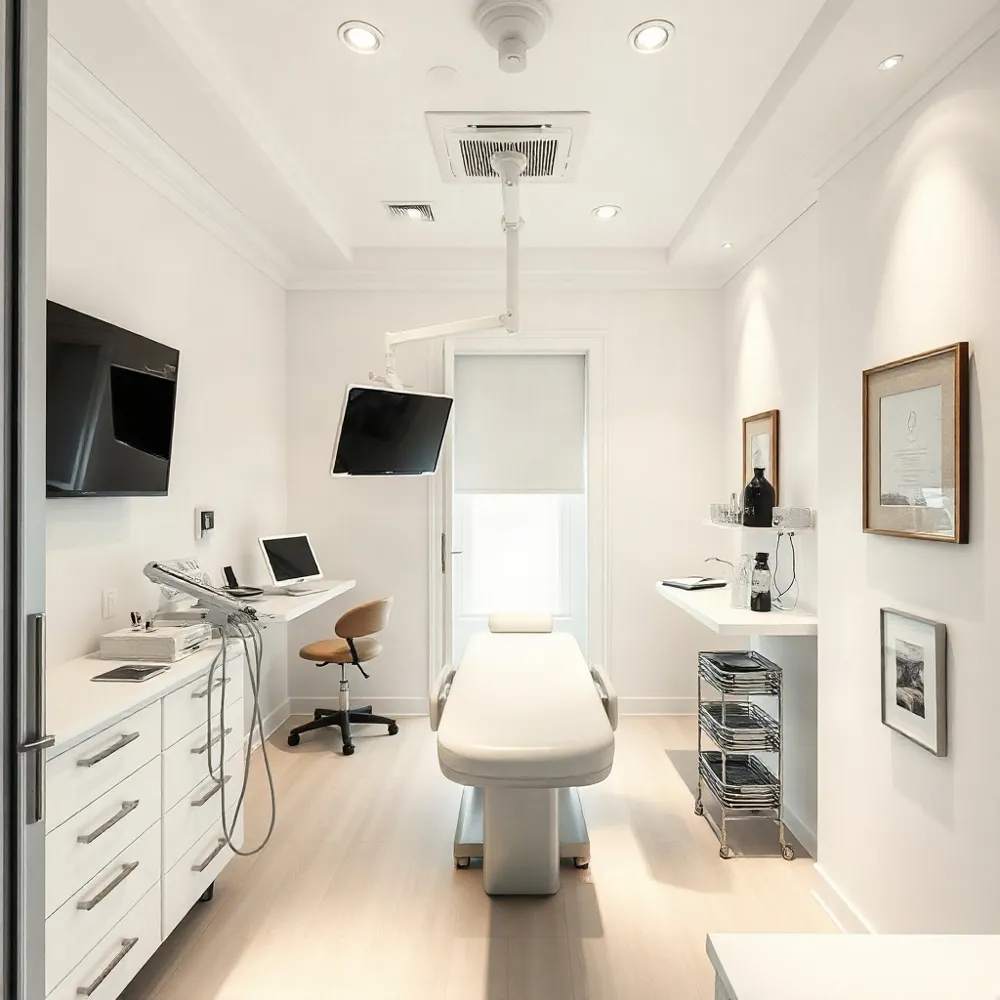
A Thoughtful Approach to Diastasis Repair
A tummy tuck may include repair of diastasis recti when an examination confirms persistent abdominal muscle separation and surgery fits the patient’s anatomy and goals. Not every tummy tuck requires muscle repair, and not every case of diastasis recti needs surgery.
Diastasis recti is a separation between the right and left rectus abdominis muscles along the connective tissue at the abdominal midline. Pregnancy is a common cause, but significant weight changes and prior abdominal surgery may also contribute. Cleveland Clinic explains diastasis recti and its causes.
A tummy tuck can address muscle separation and, when appropriate, excess abdominal skin and fat. The plan depends on an assessment of the abdominal wall, overall health, symptoms, and goals. At Madison Plastic Surgery, Dr. Robert M. Tornambe, certified by the American Board of Plastic Surgery, evaluates these factors before discussing a surgical approach.
What Diastasis Recti Can Look and Feel Like
 Diastasis recti is a widening between the two rectus abdominis muscles, often because the connective tissue between them, called the linea alba, has stretched or thinned. The muscles are not necessarily torn; they may simply remain farther apart than before.
A midline bulge or protruding abdomen, soft tissue near the navel, or doming when the abdomen contracts can be signs, but they do not confirm a diagnosis. Some people also notice core weakness, difficulty with everyday tasks, back discomfort, or changes in posture. Others have few symptoms.
The separation itself is not usually painful, though related symptoms may cause discomfort. Diastasis is distinct from a hernia, but the two can occur together, so a clinician should assess a suspected hernia.
The [Cleveland Clinic’s overview of diastasis recti](https://my.clevelandclinic.org/health/diseases/22346-diastasis-recti) reports that the condition affects about six in ten women after childbirth. It may become noticeable weeks after delivery or persist longer, but that general figure does not predict any individual’s experience.
Non-surgical management may be appropriate first, and surgery is not automatic. When separation and abdominal changes persist, a surgeon may discuss repair, often as part of a tummy tuck, if the patient’s health, anatomy, and goals support an operation. An at-home check can raise a question, but professional assessment is needed to diagnose the condition and discuss treatment.
How Repair Fits Into a Tummy Tuck
 A tummy tuck may include repair of abdominal muscle separation, but it does not automatically do so. The choice depends on whether examination shows diastasis recti and how it relates to the abdominal wall, skin, and the patient’s goals.
A tummy tuck can remove excess abdominal skin and fat and tighten the supporting fascia, the connective tissue around the muscles. When diastasis recti contributes to abdominal-wall laxity or a central bulge, sutures may bring the supporting tissue between the rectus muscles closer together. This general description does not prescribe a particular technique for an individual patient. The American Society of Plastic Surgeons explains how diastasis repair may be included in a tummy tuck, while emphasizing that treatment depends on assessment.
Repair and skin removal
Muscle separation and excess skin or fat are separate concerns, so each needs its own assessment. A patient may have loose skin without a relevant separation, or abdominal-wall separation without substantial excess skin. A tummy tuck plan can address the concerns present, rather than assuming every patient needs every component.
A tummy tuck is not a weight-loss procedure. Stable weight, overall health, prior abdominal surgery, anatomy, and goals all help shape the decision. Dr. Robert M. Tornambe, who is certified by the American Board of Plastic Surgery and has practiced in New York City since 1988, evaluates these factors when discussing surgical options.
How the plans differ
With muscle repair, the operation adds a step to address confirmed separation; without it, the planned work focuses on other concerns, such as removing excess skin and refining abdominal contour. Neither approach is right for everyone, and both involve surgical risks. Results and recovery vary, so the recommended scope should be based on an individual examination rather than a general description.
For a private assessment of whether repair belongs in a surgical plan, book a consultation with Dr. Tornambe.
Choosing an Appropriate Treatment Plan
The right treatment plan starts with a professional assessment of the abdominal wall, not with an assumption that every bulge has the same cause. A clinician evaluates where the muscles have separated, the abdominal-wall tone, skin laxity, and whether a hernia may also be present. Examination is often central to this assessment; imaging or other measurements may be used when appropriate. Cleveland Clinic’s guidance on diastasis recti describes these diagnostic approaches.
For many people, conservative care is a reasonable first step. Gentle, controlled exercises that engage the deep abdominal muscles may help strength and symptoms, ideally with guidance from a physical therapist experienced in diastasis recti. Improvement and timing vary, and working on strength can still be worthwhile years after childbirth. Exercise may not close every separation, so progress should be judged by function and comfort as well as appearance.
Movements that make the abdomen bulge, cone, or dome may need to be modified or stopped. An abdominal binder can offer support or serve as a reminder to engage the core, but it does not heal the separation or strengthen the muscles. Persistent concerns deserve clinical assessment rather than relying on a home check alone.
Does diastasis recti surgery require a tummy tuck? No. Repair does not always require skin removal, but bringing the muscles together can leave loose skin or change the abdominal contour. At Madison Plastic Surgery, Dr. Robert M. Tornambe, certified by the American Board of Plastic Surgery and practicing in New York City since 1988, evaluates separation, skin laxity, and patient goals before discussing whether surgery is reasonable. A tummy tuck may address muscle separation and excess skin together when that approach fits the examination, but it is not right for everyone. Risks and recovery should be discussed as part of an individualized plan.
Book a private consultation with Dr. Tornambe to discuss your assessment and options.
Recovery and Activity After Muscle Repair
 Recovery after a tummy tuck with muscle repair varies with the extent of surgery, the patient’s healing, and whether the abdominal muscles were repaired. Muscle repair can make the early weeks more demanding than a tummy tuck without repair, so activity should return gradually rather than by a fixed calendar.
Recovery Timeline
Many patients need about six weeks before returning to most routine activities, while heavy lifting and strenuous exercise should wait until the surgeon confirms healing. Recovery time varies by patient; follow your surgeon’s guidance rather than relying on a general estimate. The American Society of Plastic Surgeons’ recovery guidance also emphasizes that recovery varies by patient.
Dr. Robert M. Tornambe, a New York Magazine Best Doctor, uses his less-is-more philosophy to guide his approach, tailoring the procedure to each patient's anatomy and goals. This tailored approach can positively impact recovery.
Light walking often begins early, as directed, to support circulation. Work, lifting, and exercise resume according to the procedure, your progress, and your surgeon’s instructions. Swelling and scar maturation continue beyond the initial return to daily activities, and the final healing process takes longer.
Pain and Discomfort
Soreness, tightness, and discomfort with movement are possible during early recovery, but their intensity varies. Follow your individualized pain-management and movement instructions, and contact the care team about severe, worsening, or otherwise concerning pain. Surgery has risks, and recovery experiences differ.
Every patient heals differently, and a tailored recovery plan is essential for the best outcome. Dr. Robert M. Tornambe, certified by the American Board of Plastic Surgery and practicing in New York City since 1988, tailors activity guidance to each patient’s procedure and progress. His experience since 1988 and board certification ensure that your recovery plan is based on proven techniques.
Book a private consultation with Dr. Tornambe at 815 Park Avenue or call (212) 628-7600.
Risks, Recurrence, and Realistic Expectations
Diastasis repair during a tummy tuck carries the risks of surgery, and neither a particular result nor relief of associated symptoms can be guaranteed. Risks include bleeding, infection, blood clots, delayed wound healing, fluid accumulation, visible scarring, changes in skin sensation, tissue damage, and the possibility of additional treatment. Mayo Clinic’s overview of tummy tuck risks provides general information, but a surgeon must explain how the risks apply to an individual.
Temporary tightness, discomfort, and restricted movement may occur while the abdominal wall heals. Risk varies with a patient’s health and the extent of surgery. Before an operation, disclose medical conditions, all medications and supplements, and any smoking or nicotine use. Following the surgeon’s instructions before and after surgery helps support safe healing, but cannot remove every risk.
Research has reported improvements in some functional measures after repair, but the available studies have limitations and do not predict an individual’s outcome. Repair should not be presented as a treatment for unrelated symptoms, and it cannot guarantee relief from back pain, urinary symptoms, or other concerns. Results vary.
Recurrence is possible, though it does not happen to everyone and cannot be predicted with certainty. A later pregnancy, substantial weight gain, healing, and the strength of the repair may affect the abdominal wall over time. If abdominal contour or support changes, follow-up with the surgeon can help determine whether reassessment is appropriate.
At Madison Plastic Surgery, Dr. Robert M. Tornambe, a plastic surgeon certified by the American Board of Plastic Surgery, follows a less-is-more philosophy: planning reflects the patient’s anatomy and goals rather than assuming the most extensive operation is necessary. A consultation is the place to review individual risks, expected recovery, and realistic goals. Book a private consultation with Dr. Tornambe at 815 Park Avenue, or call (212) 628-7600.
Common Questions
Can muscle separation recur after repair? Yes. Separation can recur, though it does not happen to everyone and cannot be predicted with certainty. Later pregnancy, substantial weight gain, healing, and the strength of the repair may affect the outcome; a surgeon can assess any change in abdominal contour or support.
Will insurance cover the procedure? Coverage depends on your policy and how the insurer classifies the procedure; repair performed as part of a tummy tuck is often treated as cosmetic, and coverage is not guaranteed. Ask your insurer about its medical-necessity criteria, prior authorization requirements, and the specific procedure being proposed.
What factors affect the cost? Cost may depend on the amount of excess skin and fat, the extent of muscle repair, and whether additional contouring such as liposuction is included. The surgical plan, anesthesia, operating-room setting, medical testing, garments, and prescriptions may also affect the total; a consultation is needed for procedure-specific information.
A Decision Based on Individual Anatomy
Diastasis recti repair may be included in a tummy tuck when an examination supports it, but not every patient needs muscle repair or a tummy tuck. The decision should account for anatomy, health, goals, surgical risks, and the expected recovery.
Dr. Robert M. Tornambe, certified by the American Board of Plastic Surgery and practicing in New York City since 1988, can discuss whether surgery fits your circumstances.
Book a private consultation with Dr. Tornambe at 815 Park Avenue, or call (212) 628-7600.