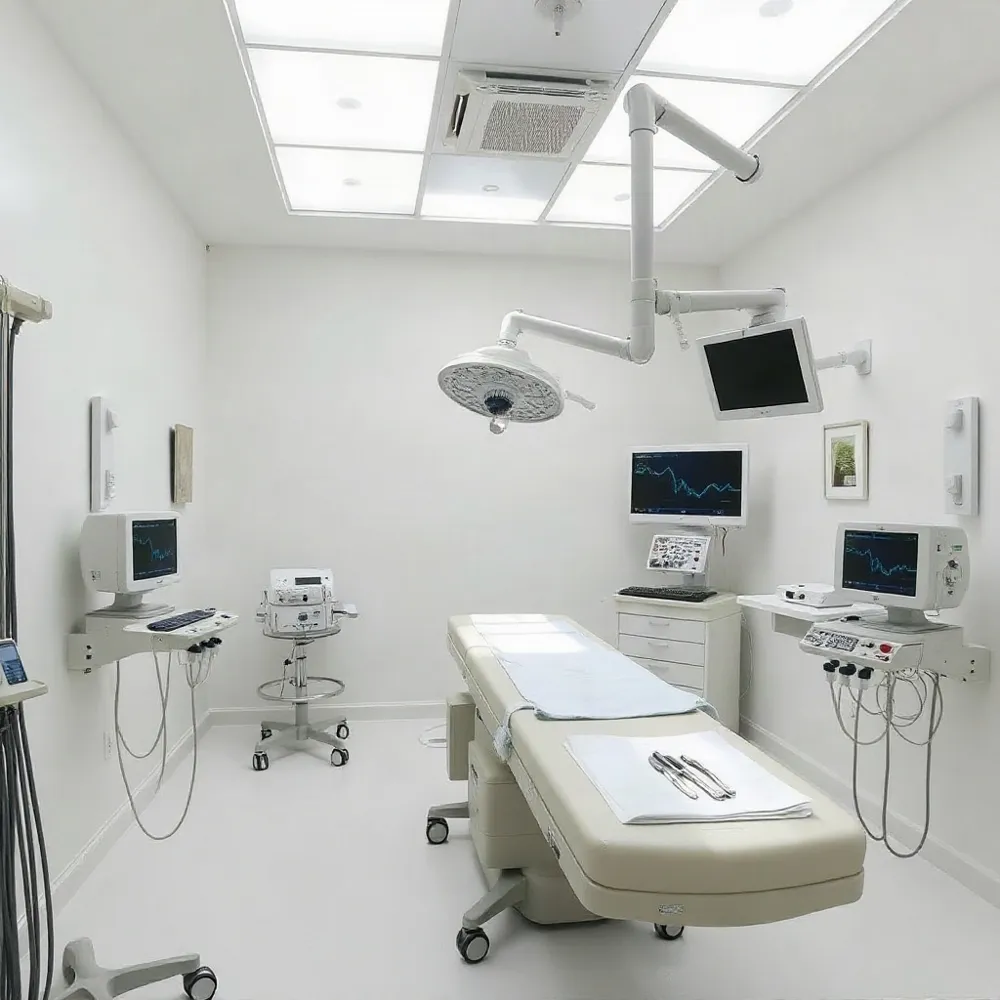
A Refreshed Look Without Losing Character
Male eyelid surgery, also called blepharoplasty, can address excess skin on the upper eyelids and bags beneath the eyes while aiming to preserve the features that make a face recognizably yours. Depending on your anatomy and goals, treatment may involve the upper lids, lower lids, or both.
The goal is a more rested appearance, not a different facial structure. When excess upper-eyelid skin obstructs peripheral vision, surgery may improve the field of vision, but it cannot guarantee symmetrical eyes or a particular result. Individual outcomes vary.
A careful evaluation helps determine whether eyelid surgery fits your concerns and health. The discussion should also cover possible risks and recovery so you can make an informed decision. Dr. Robert M. Tornambe, certified by the American Board of Plastic Surgery and practicing in New York City since 1988, personally sees patients from consultation through recovery.
What Eyelid Surgery Can Address
 Eyelid surgery, also called blepharoplasty, can remove or reposition selected excess skin, muscle, or fat around the eyelids. Depending on the concern and anatomy, treatment may focus on the upper lids, lower lids, or both.
Upper eyelid surgery can address hooding or drooping skin that makes the eyes look tired. When excess skin hangs low enough to affect peripheral vision, removing it may improve the visual field, though this requires an individual assessment. The American Society of Plastic Surgeons’ candidate guidance notes that a lowered brow or eyelid muscle weakness can also cause drooping, so the source of the concern matters.
Lower eyelid surgery may address under-eye bags, puffiness, and some skin laxity. Rather than simply removing fat, a surgeon may reposition it to soften the transition beneath the eye and reduce the chance of a hollow appearance. Incisions may sit in the natural upper-lid crease or inside the lower lid, depending on the plan; these placements can make scars less conspicuous, but cannot eliminate the possibility of scarring.
The procedure has limits: it does not change the underlying shape of the eyes or overall facial structure, and it does not necessarily correct dark circles, crow’s feet, or every facial wrinkle. The likely change depends on the tissues being treated and the patient’s goals. As Mayo Clinic’s overview of blepharoplasty explains, an examination and discussion of expectations help determine what surgery may reasonably address; results vary, and surgery carries risks.
Planning for a Natural Male Result
 Men can have eyelid surgery on the upper lids, lower lids, or both. Men may seek treatment for heavy upper lids, under-eye bags, or concerns in both areas, with the plan based on individual anatomy rather than a standard male template.
Planning considers eyelid and brow position, skin, facial structure, health, and the patient’s goals. A conservative approach can help retain natural contours and recognizable features. Removing too much skin or supportive tissue may leave the eyes looking tight or hollow, or alter expression; careful planning aims to avoid that, though results vary.
Drooping does not always come from excess eyelid skin. A lowered brow or a problem with the muscle that lifts the eyelid can contribute, and removing upper-lid skin alone may not address the cause. Depending on the assessment, a brow lift or Botox may be discussed, but neither is appropriate for everyone.
Dr. Robert M. Tornambe, certified by the American Board of Plastic Surgery and practicing aesthetic surgery in New York City since 1988, follows a less-is-more philosophy. His planning accounts for each patient’s anatomy and aims to refresh the eye area without imposing a different expression.
Eyelid surgery can make someone look older or change expression if too much tissue is removed, potentially creating a tight or hollow appearance. A careful assessment aims to preserve the contours that make a face familiar, but no result is guaranteed. Surgery carries risks, and a consultation is needed to discuss suitability, goals, and individual concerns.
Book a private consultation with Dr. Tornambe at 815 Park Avenue, or call (212) 628-7600.
Who May Be a Candidate
A good candidate for eyelid surgery is someone whose concerns fit what the procedure can address and whose health and expectations support safe, considered planning. An assessment may be appropriate for upper-lid skin that feels heavy or affects peripheral vision, or for lower-lid puffiness and loose skin.
The cause matters. A lowered brow can make the upper eyelid appear heavy, while a problem with the eyelid muscle may need a different assessment or treatment than removing excess skin. The American Society of Plastic Surgeons’ candidate guidance notes that a surgeon should assess facial anatomy and distinguish among these concerns.
Consultation includes review of eye health, medical history, medications, and factors that may affect healing. Dry eye and other significant eye conditions should be discussed; their presence does not automatically determine whether surgery is appropriate. Good general health, not smoking, and realistic expectations are useful general considerations, while age alone does not establish candidacy.
At Madison Plastic Surgery, Dr. Robert M. Tornambe, certified by the American Board of Plastic Surgery and practicing in New York City since 1988, personally sees patients through consultation and recovery. An individual examination can clarify whether eyelid surgery fits the concern and goals; results vary and surgery carries risks.
Book a private consultation with Dr. Tornambe at 815 Park Avenue.
Recovery and Return to Activities
 Recovery usually involves temporary swelling, bruising, and discomfort, though the experience and pace of healing vary. Irritation, light sensitivity, and dry or watery eyes can also occur. The American Society of Plastic Surgeons’ recovery guidance emphasizes following your surgeon’s instructions, since care and activity plans depend on the individual.
Rest is generally appropriate at first. Your surgeon may advise keeping your head elevated and protecting your eyes from sun and wind. Follow their directions for eye care, medicines, and follow-up visits. Light activity may be possible before exercise, but bending, heavy lifting, and strenuous activity should wait until your surgeon clears you.
Discomfort is often mild, but soreness or tightness may accompany swelling and bruising; symptoms ease at different rates. Return to work and usual routines depends on the procedure, healing, vision, and medication. Do not drive until your vision is clear and you are alert enough to do so safely. Contact your surgeon promptly about severe or worsening pain or vision changes.
Book a private consultation with Dr. Tornambe at 815 Park Avenue, or call (212) 628-7600.
Risks and Informed Decisions
Eyelid surgery has risks, and results are not guaranteed. Knowing the possible effects and discussing how they relate to your health and treatment plan can help you make an informed decision.
Temporary swelling, bruising, dryness, irritation, light sensitivity, and blurred vision can occur during recovery. Less common complications include bleeding, infection, visible scarring, persistent asymmetry, changes in eyelid position, or difficulty fully closing the eyes. Serious vision complications are rare but possible.
Individual risk depends on factors such as overall health, existing eye conditions, eyelid anatomy, and the planned procedure. Before surgery, discuss your medical history, alternatives, expected limits, and which symptoms require prompt attention. General information from the Mayo Clinic can help frame that discussion, but it is not a substitute for advice from your surgeon.
Contact your surgeon promptly if you experience severe pain, vision changes, or symptoms that unexpectedly worsen. These concerns deserve timely assessment rather than waiting for a routine follow-up.
Common Questions
What factors affect the cost of eyelid surgery? The estimate depends on whether the upper lids, lower lids, or both are treated, the complexity of the plan, and related fees. An individualized estimate follows an assessment of your anatomy and goals; no price can be determined from a general description.
Can eyelid surgery be combined with another procedure? It may be combined with a brow lift when the patient’s concerns and health support that plan. A surgeon must assess the anatomy, goals, risks, and recovery implications before recommending a combination. The Mayo Clinic overview of blepharoplasty also describes procedures that may be considered alongside eyelid surgery.
What should I expect at a consultation? Dr. Robert M. Tornambe can review your goals and medical history, assess your eyelid and brow anatomy, and discuss potential benefits, limits, risks, and recovery. The visit is also a chance to ask which approach best addresses your concerns.
To discuss your options, Book a private consultation with Dr. Tornambe at 815 Park Avenue or call (212) 628-7600.
A Considered Next Step
A refreshed appearance begins with a plan suited to your eyelid anatomy, health, and goals. Results vary, and no outcome can be guaranteed; eyelid surgery should be considered after a careful discussion with Dr. Robert M. Tornambe, certified by the American Board of Plastic Surgery.
Book a private consultation with Dr. Tornambe at 815 Park Avenue or call (212) 628-7600.