
Planning the Procedure Sequence
There is no universal order for a mommy makeover. The sequence, and whether procedures are performed together or in stages, depends on your anatomy, goals, health, and the demands of the proposed operation.
This is a planning decision to make with your surgeon, not a formula you need to work out on your own. The choice of procedures, their scope, safety considerations, and the recovery support available at home all shape the plan.
Combining procedures may offer one recovery period, but convenience does not determine what is appropriate. A careful plan puts your health and a suitable surgical approach first, then considers how the timing fits your life.
A Mommy Makeover Is Not a Fixed Package
 A mommy makeover is a tailored combination of procedures, not one standardized operation. The American Society of Plastic Surgeons describes options for the breasts, abdomen, waist, and other areas, with choices based on each patient’s needs.
What procedures can be included in a mommy makeover? Depending on anatomy and goals, a plan may include a tummy tuck to address excess abdominal skin and separated muscles, breast augmentation to restore volume, a breast lift to improve breast position and shape, or liposuction to refine localized fat. A patient may choose or need only some of these options.
Each procedure serves a different purpose. Liposuction is for contouring, not weight loss; augmentation adds volume, while a lift changes breast position and shape. Tummy tuck planning depends on abdominal skin and muscle concerns. None is necessary by default, and combining procedures must be surgically feasible.
Dr. Robert M. Tornambe, certified by the American Board of Plastic Surgery, has practiced aesthetic surgery in New York City since 1988. A consultation is the time to review health, anatomy, goals, options, and risks. Results vary, and every operation carries risks.
How Surgeons Plan the Sequence
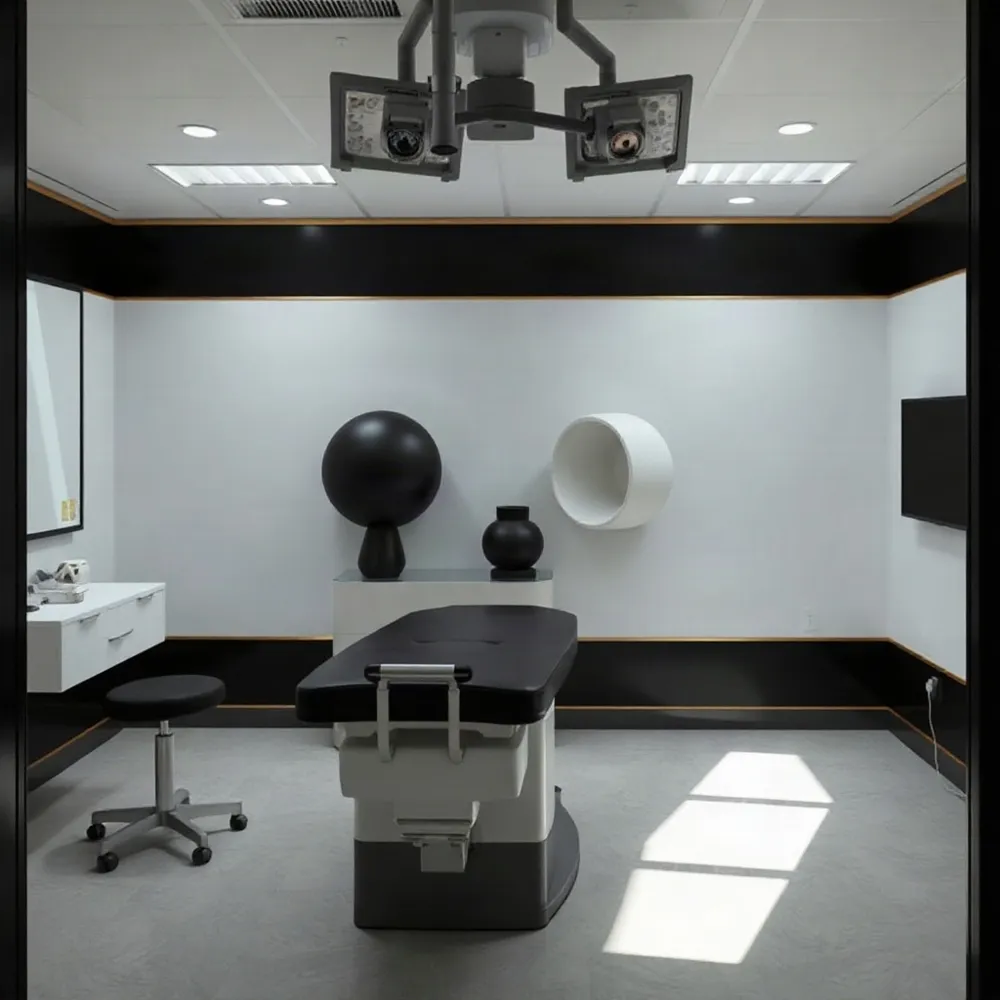 There is no universal rule that a breast procedure or an abdominal procedure must come first in a mommy makeover. The order is an individualized surgical decision, shaped by the procedures planned, your anatomy and health, and the overall scope of the operation.
Breast and abdominal procedures can be coordinated around the concerns that matter most to you, but neither a breast-first nor an abdomen-first sequence is standard for every patient. The surgeon should explain why the proposed plan, including its sequence, fits your needs and is appropriate from a safety standpoint. The American Society of Plastic Surgeons’ mommy makeover guidance likewise describes procedure selection as individual rather than a fixed formula.
Before choosing procedures, consider which changes have the greatest effect on daily life, then ask what tissue or feature is driving each concern. Loose skin, abdominal muscle separation, localized fat, breast volume, and breast position may call for different approaches. A tummy tuck, for example, addresses abdominal skin and muscle concerns, while liposuction targets selected areas of fat; a breast lift addresses breast position.
A focused plan may be more appropriate than trying to address every concern in one operation. Dr. Robert M. Tornambe, a plastic surgeon certified by the American Board of Plastic Surgery, follows a less-is-more philosophy, tailoring recommendations to anatomy and goals rather than adding procedures without a clear reason. Dr. Tornambe has been practicing in NYC since 1988 and has been recognized as a New York Magazine Best Doctor. No particular sequence guarantees an aesthetic result, and surgery carries risks; outcomes vary from patient to patient.
When to Combine or Stage Procedures
Combining appropriate procedures can bring several surgical goals into one operation and one recovery period, while staging divides them into separate operations and recoveries. Neither approach is right for everyone; the decision depends on the proposed procedures and the patient’s health and circumstances.
A mommy makeover may include a tummy tuck and breast surgery, but adding procedures can extend operating time and increase the body’s healing demands. The American Society of Plastic Surgeons notes that procedure selection should reflect individual factors, rather than a fixed package (ASPS guidance).
The surgeon considers medical history, overall health, the scope of surgery, and whether the planned procedures are practical to perform together. At Madison Plastic Surgery, Dr. Robert M. Tornambe, certified by the American Board of Plastic Surgery, a New York Magazine Best Doctor, and practicing in New York City since 1988, assesses the proposed plan in light of the patient’s goals and health. A staged plan may be considered when combining procedures is not advisable or when separate recoveries better fit the patient’s needs.
One operation may reduce the need to arrange separate periods away from work and home responsibilities, but it does not guarantee less total downtime or lower cost. Staging can mean repeated facility or anesthesia expenses, so these practical factors are worth discussing without allowing convenience or cost to override a safety recommendation. Dr. Robert M. Tornambe, a New York Magazine Best Doctor, has a private practice with an AAAASF-accredited in-office operating room, and the appropriate setting and plan depend on the operation.
All surgery carries risks, including wound-healing problems, bleeding, infection, and seroma, a collection of fluid beneath the skin. Individual risks vary with health and the procedures involved, and results cannot be guaranteed. Discuss the reasons for the recommended approach, its alternatives, and recovery expectations during a consultation.
Book a private consultation with Dr. Tornambe at 815 Park Avenue or call (212) 628-7600.
Candidacy and Timing Matter
A potential candidate for a mommy makeover is generally in good overall health, at a stable, maintainable weight, and seeking improvement in specific post-pregnancy changes rather than weight loss. The American Society of Plastic Surgeons describes the procedure as a tailored set of options, not a fixed package.
Concerns may include loose abdominal skin or changes in the breasts. Depending on the examination and goals, a tummy tuck or breast lift may be considered. Suitability depends on individual anatomy, health, and capacity for recovery, so a surgeon’s assessment is essential.
Many patients consider waiting until they have completed childbearing because a future pregnancy can change abdominal tissues and breast shape or volume. Surgery does not prevent pregnancy, but a later pregnancy may affect results. Breastfeeding is another timing consideration: breast tissue and hormones can continue to change after nursing, so there is no single waiting interval that applies to everyone.
Tell the surgeon about nicotine use, diabetes, medications, and other health conditions; these may affect surgical planning and healing. Dr. Robert M. Tornambe, certified by the American Board of Plastic Surgery and practicing in New York City since 1988, evaluates each patient’s health, anatomy, and goals. Candidates should also understand that surgery involves scars, recovery, and risks, and that results vary.
A consultation can clarify whether the timing and proposed procedures fit your circumstances. Book a private consultation with Dr. Tornambe at 815 Park Avenue, or call (212) 628-7600.
Prepare for Recovery Across Every Area
 Recovery after a mommy makeover depends on the procedures performed and how each patient heals. When several areas are treated together, more than one part of the body may be healing at the same time, so the plan should account for the full range of recovery needs.
Before surgery, arrange practical support with childcare, lifting, household tasks, transportation, and meals. Caring for young children can involve carrying, bending, or lifting, so identify who can take on those tasks while you are healing. Plan transportation to follow-up visits as well.
Your surgeon may restrict driving, bending, lifting, or strenuous activity during recovery. The timing depends on your procedure plan and progress, so do not restart exercise or heavy tasks until your surgical team clears you. Recovery guidance from the American Society of Plastic Surgeons also emphasizes that recommendations depend on the procedures selected.
Review your medical history, medications, and supplements with the surgical team in advance. Follow their instructions about nutrition, hydration, nicotine, and any medication changes; do not stop prescribed medicines on your own. A comfortable resting area with water, medications, and other essentials within reach can make daily routines easier, but it does not replace postoperative instructions.
Keep scheduled follow-up appointments so your surgeon can monitor healing and respond to concerns. Dr. Robert M. Tornambe, certified by the American Board of Plastic Surgery and practicing in New York City since 1988, personally sees patients from consultation through recovery. At Madison Plastic Surgery, procedures take place in an AAAASF-accredited in-office operating room.
Recovery varies with the procedures performed and each patient’s healing. Many patients need several weeks before returning to usual daily activities, while strenuous activity may take longer and requires the surgeon’s clearance. Arrange help at home, especially with childcare and lifting, and follow individualized instructions for activity restrictions and follow-up.
Book a private consultation with Dr. Tornambe at 815 Park Avenue or call (212) 628-7600.
Common Questions
What factors influence the cost of a mommy makeover? The estimate for a mommy makeover depends on the procedures included, their extent and complexity, whether implants or fat transfer are used, and related surgeon, anesthesia, and operating-room expenses. A combined plan may affect some expenses, but savings are not guaranteed, and safety should guide the decision. Dr. Robert M. Tornambe can provide an individualized estimate after consultation; costs and results vary.
What should I discuss during my consultation? Discuss your priorities, medical history, medications, future family plans, and the practical help you can arrange during recovery. Ask why each procedure is proposed and whether combining or staging the operations is appropriate for your circumstances.
Should I ask for a detailed breakdown of costs? Yes. Ask for an explanation of which related expenses are included and how the estimate would differ between a combined plan and staged operations. Cost comparisons should not replace discussion of safety and the clinical reasons for the proposed plan.
A Plan Built Around You
The right procedure sequence depends on your anatomy, health, priorities, and capacity for recovery. An individual evaluation with Dr. Robert M. Tornambe, a board-certified plastic surgeon who has practiced in New York City since 1988, can help clarify which options are appropriate and whether they should be combined or staged. Surgery carries risks, and results vary.
To discuss your goals and a plan suited to your circumstances, book a private consultation with Dr. Tornambe at 815 Park Avenue or call (212) 628-7600.