
Embracing the Fourth Trimester and Beyond
The postpartum period represents a significant physical and emotional evolution. Often termed the fourth trimester, these initial weeks initiate a complex healing process where tissues and muscles gradually return to a new baseline. While many individuals anticipate a return to their pre-pregnancy form, it is a clinical reality that the body often retains permanent physiological shifts after childbirth, such as skin laxity, muscle separation, and changes in breast volume.
Achieving aesthetic restoration frequently requires more than diet or exercise alone. At madisonps.com, we emphasize that true body confidence stems from personalized surgical plans tailored to your unique anatomy. This article explores essential milestones in your recovery, the safe timelines for considering a Mommy Makeover, and how to balance surgical solutions with supportive non-surgical technology to achieve refined, natural results.
Understanding the Body's Natural Postpartum Changes
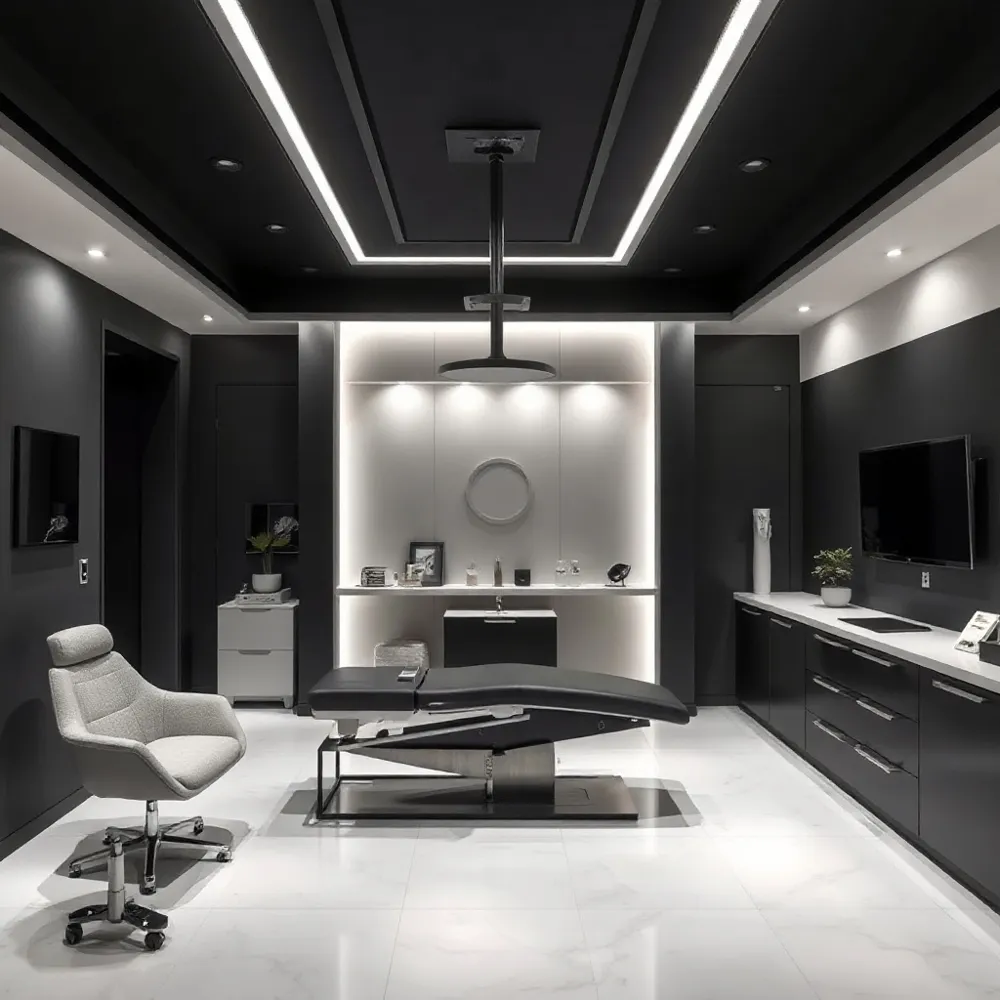 The postpartum period is a time of profound physical evolution. One of the most significant physiological tasks is uterine involution, a process where the organ shrinks from approximately 2.5 pounds immediately after birth to just 2 ounces over the course of six weeks. Despite this internal recovery, many outward transformations remain.
Hormonal shifts, specifically the rapid drop in estrogen and progesterone, drive widespread changes. New mothers frequently experience postpartum alopecia, or hair thinning, alongside skin challenges like melasma. These hormonal fluctuations also influence mood and temperature regulation during the critical first months.
Structural changes often prove more resistant to natural healing. Diastasis recti, or the separation of abdominal muscles, alongside loose skin and permanent stretch marks, are common occurrences after pregnancy. Similarly, the loss of breast volume and sagging skin are frequent aesthetic shifts that persist long after the fourth trimester concludes.
Does the female body return to its pre-pregnancy state naturally? While the body undergoes remarkable physiological adaptations to support pregnancy, it rarely returns to its exact pre-pregnancy state naturally. Following childbirth, the body enters a complex recovery phase where many changes—such as abdominal muscle separation, stretched skin, and alterations in breast tissue—frequently persist beyond the initial postpartum period. While some recovery occurs, these structural shifts often remain, reflecting the profound and lasting impact of gestation. For many women, these lasting changes can affect both confidence and physical comfort. Aesthetic surgical procedures are often the most effective way to address these persistent concerns, providing the tailored support necessary to restore a patient’s pre-pregnancy silhouette.
At madisonps.com, we recognize that stubborn fat deposits often resist even the most disciplined diet and exercise regimens. Unlike general practices that offer one-size-fits-all solutions, our team emphasizes personalized mommy makeovers to address these specific structural realities with surgical precision.
The Phases of Postpartum Recovery
 The postpartum period is structured into three formal stages that guide a woman's physical recalibration. The acute phase occurs during the first 0 to 12 hours after delivery, followed by the subacute phase spanning 24 hours to 6 weeks. The final stage, known as the delayed phase, lasts from 6 weeks to 6 months as tissues and muscles gradually return to their pre-pregnancy states. This early transition, particularly the initial 3 months, is often described as the fourth trimester, a period characterized by significant adjustment.
Recovery milestones vary by delivery method. Patients who undergo a cesarean section must manage surgical incision healing, which typically takes 10 days for surface skin but months for deeper tissues, compared to the perineal healing often required after a vaginal birth. Common physical symptoms throughout these phases include lochia lasting 4 to 6 weeks, uterine cramping as the organ involutes to its pre-pregnancy size, and breast engorgement as lactation stabilizes.
How can one safely manage the initial phases of postpartum recovery?
Prioritizing structured rest is essential, as the 5-5-5 rule—five days in bed, five days around the bed, and five days around the home—provides a necessary framework for initial healing and body recalibration. Beyond rest, managing physical recovery involves gentle care, such as utilizing ice packs or warm sitz baths to soothe perineal soreness and employing stool softeners to ensure comfort. It is vital to nourish the body with consistent, healthy nutrition while staying attuned to shifting hormonal and physical changes, such as uterine involution and breast engorgement. Throughout this fourth trimester, one must remain vigilant for warning signs of complications, including excessive pain or bleeding, by maintaining open communication with healthcare providers. Ultimately, this period demands a commitment to self-care, where honoring your body's unique healing timeline ensures both safety and a more confident recovery.
A critical milestone in this journey is the six-week postpartum checkup. This appointment allows healthcare providers to assess overall healing, monitor for concerns like pelvic floor dysfunction, and provide medical clearance for resuming more strenuous physical activities.
When to Consider Elective Aesthetic Procedures
 Achieving your aesthetic goals requires aligning your surgical plan with the physiological realities of the postpartum period. While the desire for rejuvenation is strong, prioritizing a medically advised recovery period is essential for safe, refined outcomes. Experts at madisonps.com recommend waiting at least six to twelve months after childbirth before undergoing elective procedures, a timeframe that allows hormone levels to stabilize and tissues to return to a baseline state.
What is the recommended recovery timeline before considering elective aesthetic procedures after childbirth?
Beyond the general timeline, specific biological milestones must be met to ensure long-term success. If you are breastfeeding, postpartum surgical standards dictate waiting at least three months after cessation, as this prevents complications related to hormonal shifts and milk production. Additionally, maintaining a stable weight for a minimum of six months prior to surgery ensures that your results are not affected by subsequent fluctuations.
While many practices consider one year post-delivery to be the optimal sweet spot for surgery, each patient's journey is unique. Unlike high-volume clinics that may rush patients into the operating room, madisonps.com prioritizes a boutique, unhurried consultation to ensure your body is fully healed and ready for restoration. By adhering to these guidelines, you protect the investment in your transformation and support the elegant, natural results that define a personalized surgical approach.
Defining the Mommy Makeover
A mommy makeover is a highly personalized suite of surgical procedures meticulously designed to restore a woman’s body to her pre-pregnancy silhouette. Because every patient’s needs and goals are unique, this comprehensive approach typically addresses changes in both the breast and abdominal areas, which are often the most resistant to diet and exercise alone. Core procedures frequently include a breast lift or augmentation to address volume loss or laxity, combined with an abdominoplasty, or tummy tuck, to firm and tighten the abdominal wall. Liposuction is often integrated to refine specific contours, ensuring a balanced and elegant result. Our priority is to provide a safe, boutique experience that restores your confidence through sophisticated, natural-looking aesthetic outcomes.
Am I a candidate for a mommy makeover?
Ideal candidates for these customized surgical procedures are typically non-smokers who have reached a stable, healthy body weight and have completed their family planning. Plastic surgery professionals emphasize that surgery should be delayed if you plan to become pregnant again, as subsequent pregnancies can significantly reverse the aesthetic improvements. We recommend that your physical condition and body weight remain stable for at least six months before initiating a consultation to ensure long-term success.
Surgical Components of a Mommy Makeover
A mommy makeover integrates multiple surgical techniques into a single session to address the complex physical changes that persist after childbirth. At Madison Plastic Surgery, our approach prioritizes advanced incision planning and tunneling techniques to ensure patients achieve natural, refined contours with minimal tension.
Abdominoplasty. Often called a tummy tuck, this procedure removes excess skin and repairs diastasis recti by tightening the abdominal wall muscles to create a firmer, flatter profile.
Breast Restoration. Surgeons may perform a mastopexy to reposition the nipple and areola for a youthful lift, or utilize augmentation to restore volume lost during the nursing process.
Liposuction. This technique targets stubborn fat deposits that remain resistant to diet and exercise, such as those found on the flanks, inner thighs, or abdomen, to define the body's natural curvature.
When addressing significant breast hypertrophy that causes physical strain, a breast reduction can alleviate discomfort while balancing proportions. For some patients, comprehensive restoration plans also incorporate specialized procedures like labiaplasty or facial rejuvenation, ensuring every aesthetic concern is met. Unlike providers who offer a static menu of services, we customize each surgical roadmap to align with your unique anatomy and long-term wellness goals, as detailed in our patient transformation studies.
Complementary Non-Surgical Treatments
While a mommy makeover provides foundational structural restoration, many patients at madisonps.com choose to incorporate non-surgical modalities to refine skin texture and address subtle aesthetic concerns. These treatments, which can be integrated into a comprehensive care plan, help achieve a more polished finish by addressing issues that are typically beyond the scope of surgical excision.
Radiofrequency (RF) technologies deliver energy to deeper skin layers, stimulating collagen production to improve laxity and diminish cellulite. For concerns such as stretch marks or C-section scarring, microneedling and fractional laser therapies encourage the skin's natural healing process to smooth texture and even tone. Patients dealing with hyperpigmentation, including melasma or spider veins, may find targeted IPL sessions effective for achieving a more uniform complexion.
Facial volume loss often follows pregnancy, and at madisonps.com, we frequently pair subtle neuromodulators like Botox or dermal fillers to restore a refreshed appearance. Additionally, postpartum hair thinning can be addressed through PRP scalp therapy or low-level laser light. These interventions are generally considered appropriate once the body has stabilized, typically after three to six months postpartum and once breastfeeding has ceased. Always consult with a specialist to ensure that your non-surgical timeline aligns with your specific recovery progress and individual needs.
Recovery and Downtime After Surgery
Navigating the recovery and downtime after a surgical restoration requires planning to ensure optimal healing. Most patients should anticipate two weeks of dedicated rest with limited mobility, during which childcare assistance is essential as lifting heavy objects is strictly prohibited. While some competitors in the space suggest generic timelines, madisonps.com prioritizes a 2025-focused approach utilizing advanced tunneling techniques to minimize tension, which can help support a more comfortable experience.
During the first few weeks, patients typically utilize surgical compression garments to manage swelling and provide necessary tissue support. Light activity, such as short, gentle walks, is often encouraged by the second or third week to promote circulation and aid recovery. According to guidance from the American Society of Plastic Surgeons, full clearance for strenuous exercise is generally granted around the six-week mark, provided the body has responded well to the initial healing phase.
Visible progress follows a steady trajectory. While primary bruising and swelling typically subside within two to three months, the maturation of surgical results continues as the body adjusts. Discreetly placed incisions, strategically located in natural skin creases or along the bikini line, generally fade and soften significantly over a period of 12 to 18 months. Final aesthetic contours usually reveal themselves between three to six months post-procedure, allowing patients to enjoy the lasting benefits of their personalized transformation.
Understanding the Investment in Your Transformation
A comprehensive mommy makeover is a highly bespoke surgical journey, with a typical investment ranging from $15,000 to $30,000. This range accounts for the multifaceted nature of the procedure, which may combine a tummy tuck, breast enhancement, and body contouring to achieve a harmonious, rejuvenated aesthetic. Because each patient’s anatomy and goals are unique, the final cost reflects the surgical expertise, advanced techniques, and the luxury of personalized, concierge-level care provided throughout the process. Factors such as operating room time, anesthesia, and the specific extent of correction necessary all contribute to the final investment required for these complex, transformative results. We prioritize patient safety and long-term satisfaction above all, ensuring that your investment reflects the highest standards of surgical excellence in New York City.
As these are elective cosmetic procedures, they are generally not covered by health insurance. When evaluating providers, remember that the lowest price often fails to account for the necessary overhead of high-end clinical environments, board-certified oversight, and advanced incision planning and tunneling techniques that deliver safer, more natural outcomes compared to generic, one-size-fits-all surgical approaches. Prioritizing value and safety ensures that your transformation is handled by specialists dedicated to your unique anatomy.
Managing Initial Postpartum Recovery Safely
The postpartum period is a transformative time that demands a measured approach to physical healing. To balance rest with gradual mobility, many providers recommend the 5-5-5 rule: five days in bed, five days around the bed, and five days around the house. Franciscan Health notes that this structure provides a necessary framework for recovery before reintegrating into more active daily routines.
Prioritizing nutrition and hydration remains essential during these early weeks. Focus on lean proteins, whole grains, and nutrient-dense foods to support systemic healing, as Baylor Scott & White Health highlights that proper fuel aids both energy levels and milk production. Gentle movement, such as short walks, is encouraged to promote circulation, provided that these activities do not increase lochia (postpartum bleeding).
Specific self-care techniques address localized discomfort. Perineal soreness may be managed with sitz baths or ice packs, while C-section patients should prioritize keeping their incision clean and dry to ensure proper healing. While some hormonal mood shifts, known as the baby blues, affect many new parents and typically resolve within two weeks, symptoms of postpartum depression that persist longer than this window require professional medical evaluation.
- Soaking more than one pad per hour for two hours
- Passing clots larger than an egg
- Fever exceeding 100.4 degrees Fahrenheit
- Severe abdominal pain or persistent headaches paired with vision changes
- Redness, warmth, or discharge at the site of a surgical incision
Psychological and Emotional Dimensions of Body Restoration
Postpartum recovery is a holistic journey that extends well beyond physical healing. Many women encounter persistent body image concerns, including loose skin, stretch marks, and weight retention, which can significantly influence self-perception and quality of life. These shifts are natural, yet they often create a disconnect between a mother's current reflection and her pre-pregnancy identity. Addressing these concerns can be a powerful step in restoring confidence.
At madisonps.com, we recognize that aesthetic treatments often serve as an essential form of self-care. By aligning physical appearance with a patient's internal sense of self, a mommy makeover can empower women during the demanding years of parenthood. While some aesthetic treatments offer subtle refinements, our surgical approach focuses on addressing the structural changes that diet and exercise alone often cannot resolve.
Achieving lasting transformation requires both realistic expectations and patience. The psychological benefits of these procedures are rooted in a patient's readiness for the recovery process and a clear understanding of the path to natural results. When patients work with specialists to tailor their care, the restoration process becomes less about returning to the past and more about reclaiming comfort and confidence in their current, evolving body.
Your Personal Journey to Renewed Confidence
The path to restoring your body after pregnancy is a deeply personal process that balances postpartum recovery with your aesthetic goals. Whether you are navigating early healing or considering a Mommy Makeover, honoring your body's timeline remains the most important step for lasting success. While many practices offer generic solutions, madisonps.com focuses on bespoke, advanced surgical techniques that deliver natural, refined results.
True transformation goes beyond a procedure. It requires professional guidance from a board-certified team to ensure your surgical plan aligns with your anatomy and long-term wellness. By prioritizing patience and expert care, you can bridge the gap between your postpartum experience and your desired silhouette. When you are ready to explore a plan tailored to your lifestyle, we invite you to schedule a private consultation at madisonps.com to begin your unique journey.