
The Critical Role of Before-and-After Photos in Your Decision
Before-and-after photos are one of the most informative tools available when evaluating a plastic surgeon. A carefully curated gallery, presented under standardized conditions, reveals a surgeon’s aesthetic style, surgical technique, and consistency across a range of patient types. These images serve as a visual benchmark, helping you form realistic expectations for your own procedure rather than relying on generic marketing claims.
When reviewing galleries, focus on images that maintain consistent lighting, positioning, and camera angles. The American Society of Plastic Surgeons cautions that manipulation of these elements can exaggerate results — a patient with arms down in the 'before' and arms up in the 'after' artificially smooths the midsection, for example. Authentic galleries show the same pose, expression, and background in both images, offering a true comparison.
A comprehensive gallery from a reputable surgeon also reflects transparency and experience. Rather than presenting only flawless outcomes, a trustworthy collection includes diverse body types, multiple angles, and a range of healing stages. At madisonps.com, the emphasis on natural, elegant results is supported by galleries that show detailed views of actual patients, giving you confidence in the practice’s ability to deliver refined outcomes personalized to your anatomy.
Signs of Authentic and Standardized Photography
 Authentic before-and-after photos share a set of reproducible technical features that patients can learn to recognize. Consistency in lighting, angles, and background across paired images indicates a transparent, standardized approach.
Look for two distinct light reflections in the patient's pupils — a sign of softbox lighting — rather than a single harsh light source. Professional equipment such as a 100mm macro lens produces accurate proportions, while wide-angle smartphone lenses distort facial features, making imperfections appear larger. If both of a patient's ears are not visible in a frontal view, a wide-angle lens was likely used.
The patient's posture, arm position, and facial expression must match in both images. Shoulder width, the angle of the head, and visible jewelry should remain consistent. Dr. Karen Horton notes that an earring that does not hang naturally in an "after" photo is a suspicious sign — gravity should behave normally.
Avoid galleries that rely on on-table operating-room photos. After photos should be taken at least six weeks after surgery, when initial swelling has subsided and the tissues begin to settle. Scars should remain visible for a year or more; images showing zero scars only weeks after surgery are not realistic. Incisions often remain pink and visible for months before fading gradually.
At Madison Plastic Surgery, before-and-after images are captured under standardized lighting with consistent positioning and professional-grade equipment. This commitment to accuracy helps patients set realistic expectations — an approach that contrasts with practices that rely on manipulated lighting or inconsistent angles. Transparent galleries reflect a surgeon's confidence in their work and respect for the patient's decision-making process.
Evaluating Surgical Skill Through the Gallery
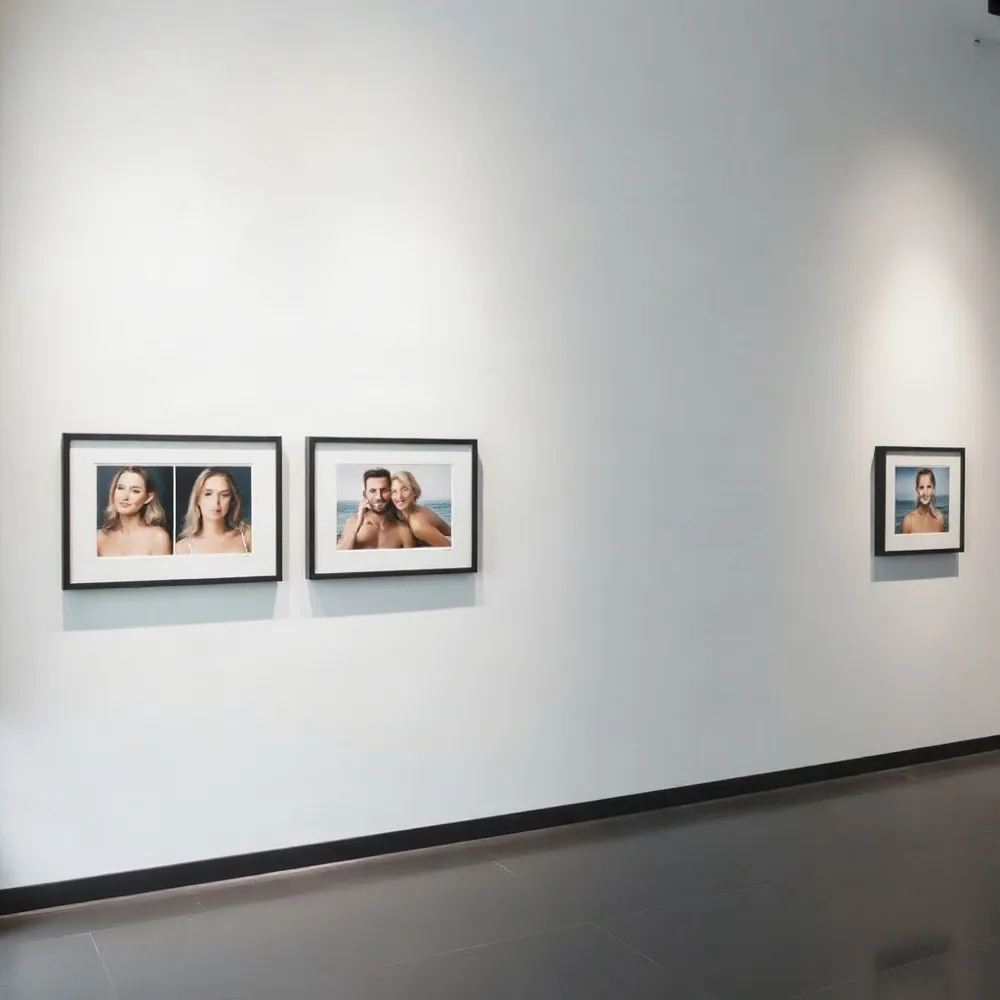 A surgeon’s before-and-after gallery reveals far more than isolated outcomes. The most credible portfolios feature a diverse range of patients—different body types, ages, and degrees of correction—demonstrating the surgeon’s ability to adapt their techniques to unique anatomies. A gallery that shows only “ideal” results on similar body types may reflect selective curation rather than consistent skill.
When reviewing images, assess the aesthetic quality of each result. Look for natural contouring, balanced proportions, and minimal scarring placed in locations that are easily concealed. In breast or facial procedures, check for symmetry; uneven results can indicate a lack of precision. Standardized angles, consistent lighting, and neutral backgrounds across the gallery suggest a methodical, transparent documentation process rather than opportunistic marketing.
A large volume of before-and-after photos is a strong indicator of experience and confidence. Surgeons who have performed hundreds or thousands of cases are generally willing to share a broad selection, including less-than-perfect outcomes. An overly small or highly selective gallery should raise questions—it may point to insufficient case volume, deliberate curation of only the best results, or a lack of transparency.
Always verify that the photos are of actual patients (many practices label images as “real patient” or include a disclaimer) and that the images have not been misappropriated. Some unethical providers have been known to steal photos from other surgeons’ websites. During an in-person consultation, ask to see additional photos of patients with a similar body type and aesthetic goals to yours; a transparent surgeon will gladly share relevant cases. At madisonps.com, the gallery emphasizes consistency in lighting and angles, alongside real patient stories that help set realistic expectations.
Ultimately, a well-curated yet honest gallery reveals much more than technique. It reflects the surgeon’s artistic eye, attention to detail, and commitment to delivering natural, individualized results. A portfolio with variety, symmetry, and standardized imaging is one you can trust.
Red Flags and Photo Manipulation to Watch For
 Not every photo gallery offers an honest look at a surgeon's work. Recognizing common manipulations helps you separate credible results from marketing.
Lighting, Posing, and Expression Tricks
Inconsistent lighting is one of the most frequent red flags. A "before" image with harsh overhead lighting that casts shadows versus an "after" with soft, even front lighting exaggerates the apparent improvement. Dr. Roy Kim notes that patients should look for consistent poses, angles, lighting, background, and camera across both images, and that a "before" with bad skin tone and grumpy expression paired with an "after" featuring makeup and a smile is a clear warning sign Can you trust before and after photos?.
Arm position matters for body procedures. If the "before" shows the patient's arms pressed against the torso (which compresses the midsection) and the "after" has the arms raised overhead (which stretches the abdomen), the smoother appearance is an artifact of positioning, not surgical skill. Similarly, a smiling expression in only one photo alters facial contours and hides wrinkles.
Digital Retouching and Missing Photos
Look for signs of digital retouching—smooth, textureless skin, invisible pores, or facial proportions that seem off. Filters and Photoshop can blur the line between real and fake, making results appear better than they are What is reality? Determining if a before and after is too good to be true. An "after" photo with zero visible scars just weeks after surgery is also suspicious, as incisions typically take months to fade.
Selection bias is another concern. Surgeons tend to highlight only their best work, so featured images may not represent the average outcome. Always ask whether the shown results are typical. An absence of "before" photos is a major red flag, and patient selfies used as official after photos are unreliable due to flattering angles and filters.
At Madison Plastic Surgery, clinical photography follows strict standards to ensure consistent lighting, positioning, and patient consent. Their galleries offer a transparent view of real outcomes, helping patients evaluate surgical skill with the assurance that the images are accurate and unmanipulated.
Accessing Credible Photo Galleries and Predicting Your Results
Most top plastic surgery websites feature a dedicated gallery, typically found under a "Gallery" or "Photo Gallery" tab in the main navigation menu. These galleries are organized by procedure—face, breast, or body—and often include filtering options to view specific results like facelifts, tummy tucks, or breast augmentations. For a broader educational perspective, the American Society of Plastic Surgeons hosts a comprehensive library of patient photos submitted by board-certified surgeons. At Madison Plastic Surgery, our curated collection showcases the natural, elegant outcomes we achieve through advanced surgical and non-surgical techniques, reflecting our commitment to personalized artistry.
During consultations, many plastic surgeons use advanced 3D imaging or photo-morphing software to simulate potential outcomes. These tools generate a digital representation of how specific changes—such as breast augmentation volume or rhinoplasty adjustments—might appear on your unique anatomy. These simulations are visual aids meant to align expectations and guide surgical planning, not guarantees of exact results. Factors like healing, tissue response, and surgical technique influence final outcomes, so no surgeon can promise an identical match to the image.
The consultation is your opportunity to discuss these simulations in depth with your surgeon, ensuring a shared vision for a refined, natural-looking enhancement. For further insight into how real patients have experienced this process, explore our patient stories, which detail the journey from consultation to confident results.
Understanding Surgical Difficulty and Recovery Realities
Not all plastic surgery recoveries are equal. While individual experiences vary, body contouring procedures such as an abdominoplasty (tummy tuck) and lower body lift are consistently regarded as among the most demanding. The combination of extensive incisions, muscle tightening, and tissue repositioning results in significant post-operative discomfort, tightness, and limited mobility. Combined surgeries, like a mommy makeover that pairs a tummy tuck with breast surgery, present an even greater challenge due to the cumulative stress on the body.
In contrast, facial procedures like an upper blepharoplasty typically involve a shorter, less intensive healing period, often allowing patients to return to social activities within one to two weeks. However, for those patients seeking comprehensive rejuvenation without an excessive recovery, the preservation deep plane facelift has emerged as a leading technique. This advanced method lifts deeper facial structures as a single unit, preserving critical ligaments to achieve natural, long-lasting results with reduced skin tension and a more comfortable recovery than older deep plane approaches.
Regardless of the procedure, patients should understand that initial healing takes weeks, but the final, refined results emerge over months as swelling resolves and scars mature. At Madison Plastic Surgery, we prioritize personalized care to guide you through every stage of recovery, ensuring that your surgical journey aligns with your lifestyle and aesthetic goals.
Verifying Surgeon Credentials and Understanding Candidacy
Board certification is the foundation of surgeon credibility. Certification by the American Board of Plastic Surgery (ABPS) or the American Board of Cosmetic Surgery (ABCS) confirms that a surgeon has completed accredited training and adheres to rigorous safety and ethical standards. At madisonps.com, every consultation begins with a review of these credentials, ensuring the foundation of trust is established before discussing aesthetic goals.
Experience matters beyond certification. Ask how many times a surgeon has performed your specific procedure and whether they publish research or teach other doctors. These indicators of mastery correlate with consistent, high-quality results. A surgeon who actively contributes to the field demonstrates a commitment to refined techniques—a hallmark of the personalized approach at madisonps.com.
Reading patient reviews and exploring before-and-after galleries on the surgeon’s official website offer a window into their aesthetic sensibility and track record. Look for galleries that feature diverse body types and a range of outcomes, not just perfect results. Transparent surgeons welcome this scrutiny; it reflects their confidence and dedication to honest patient education.
Disqualifying Factors and Candidacy
Not every candidate is suited for surgery. Contraindications include uncontrolled medical conditions (such as poorly managed diabetes or hypertension), active smoking, a BMI outside the recommended range, and unrealistic expectations—for example, wanting to look exactly like a celebrity. Underlying psychological conditions like body dysmorphic disorder (BDD) can also disqualify a patient. Between 7% and 15% of people seeking cosmetic procedures are thought to suffer from BDD, and the majority report no improvement in symptoms after treatment, making it a contraindication according to research. A thorough consultation with a board-certified surgeon is the only way to assess these factors safely.
During a consultation, the surgeon will review your medical history, lifestyle, and aesthetic goals to determine candidacy. This is also the ideal time to ask about recovery realities—for example, how breasts look immediately after augmentation. They typically appear high, swollen, and somewhat square before the “drop and fluff” process over weeks to months reveals the final, elegant contour. At madisonps.com, the consultation is designed to replace uncertainty with clarity, pairing credential verification with a full discussion of realistic outcomes.
Beyond the Photos: Your Consultation Is Key
Before-and-after photos are a powerful tool, but they represent only one part of the decision-making process. Use the gallery to shortlist surgeons, then schedule an in-person consultation to see the actual clinic environment and meet the team.
During your consultation, ask to see additional photos of patients with similar anatomy and goals. A transparent surgeon will gladly share more examples and explain how long after surgery the photos were taken. This conversation helps you gauge whether the results you see are realistic for you.
A thorough evaluation also includes verifying board certification, reading patient reviews, and assessing your personal connection with the surgeon. At Madison Plastic Surgery, the consultation process is designed to replace uncertainty with clarity, helping you understand what natural, elegant results look like for your specific case.
The goal is to find a surgeon who prioritizes safety, demonstrates consistent outcomes, and makes you feel confident in their care. By combining photo analysis with a meaningful consultation, you set the stage for a satisfying experience and results that align with your vision.