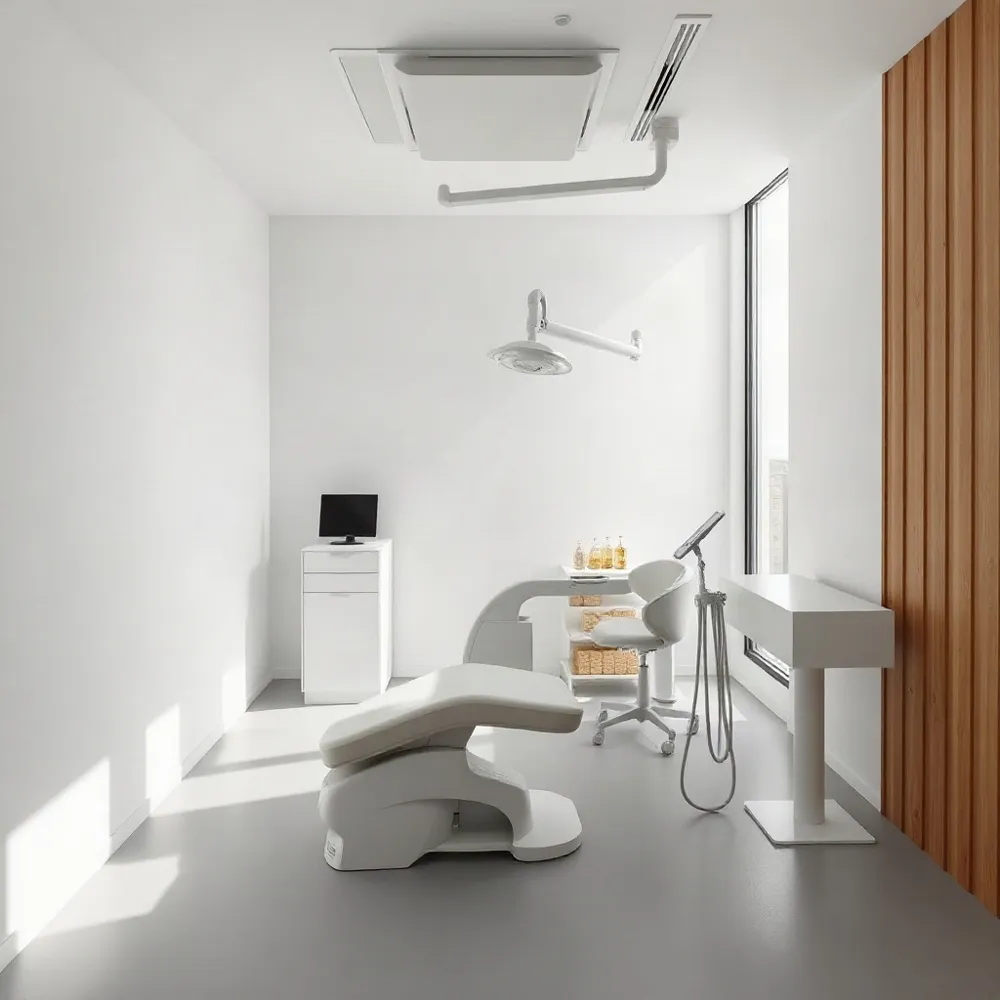
Safety as the Cornerstone of Exceptional Results
In the world of high-end aesthetic medicine, clinical safety and refined artistry are fundamentally inseparable. At Madison Plastic Surgery, we recognize that discerning patients demand more than just aesthetic transformation; they require a foundation of rigorous clinical protection. Achieving natural, elegant results is impossible without prioritizing the patient's long-term health as the primary metric of success.
The modern aesthetic landscape is increasingly consumer-driven, necessitating a shift toward transparency and evidence-based standards. While some providers prioritize quick results, we maintain that true surgical mastery is rooted in meticulous planning and verified safety protocols. By integrating board-certified expertise with accredited surgical facilities, we ensure that every procedure honors the patient's trust.
This article explores the essential pillars of a secure surgical journey. We will examine the importance of credential verification, the life-saving impact of surgical safety checklists, and the ethical rigor required in the operating room to create outcomes that are as safe as they are beautiful.
Board Certification and Accreditation as the Foundation
 The patient journey begins with the selection of a surgeon who meets the highest professional benchmarks. Board certification by the American Board of Plastic Surgery (ABPS) represents the gold standard in aesthetic medicine, confirming that a practitioner has completed a minimum of six years of surgical training, with at least three years dedicated specifically to plastic surgery. Maintaining this designation requires passing rigorous written and oral examinations that test expertise across the entire field.
Beyond initial mastery, surgeons must participate in a Continuous Certification program. This commitment ensures that professional judgment and surgical techniques evolve alongside modern safety standards through regular self-assessment and practice improvement. These credentials provide the transparency necessary for discerning patients who demand expert care.
Safety extends equally to the surgical environment. Accreditation by organizations such as the American Association for Accreditation of Ambulatory Surgery Facilities (AAAASF), Accreditation Association for Ambulatory Health Care (AAAHC), The Joint Commission (TJC), or QUAD A mandates peer-reviewed standards for medical equipment, sterilization protocols, and emergency readiness. These inspections ensure that staff credentials remain current and facilities meet rigorous oversight requirements.
At madisonps.com, our commitment to these high-level regulatory benchmarks mirrors the data-backed expectations for elite practices. By choosing a board-certified specialist operating within a fully-accredited facility, patients can pursue their aesthetic goals with the assurance that their safety and well-being remain the primary priority.
The WHO Checklist: A Proven Safety Instrument
 The World Health Organization (WHO) Surgical Safety Checklist serves as a vital safeguard in the operating room. Designed for operational efficiency, this protocol consists of 19 essential questions divided into three critical phases: Sign-in before anesthesia induction, Time-out before the initial incision, and Sign-out before the patient leaves the suite.
Implementation of this tool significantly elevates patient outcomes. Research indicates that consistent adherence can reduce the rate of major surgical complications from 11% to 7% and lower mortality rates by up to 53%. At madisonps.com, we apply these standardized protocols to ensure that every detail, from patient identity and site marking to equipment functionality and informed consent, is verified by the entire surgical team.
Success depends on more than a simple list; it requires multidisciplinary collaboration, active leadership, and regular staff training. While many facilities rely on paper documentation, digital integration with electronic health records can further enhance compliance by reducing manual entry errors. By fostering team-wide communication and clear introductions before any incision, we maintain the focused, luxury environment required to support our commitment to refined surgical results.
Perioperative Vigilance From Positioning to Temperature
 At Madison Plastic Surgery, patient safety is upheld through a rigorous, multi-layered framework of clinical vigilance and surgical mastery. This commitment begins with comprehensive preoperative planning and personalized risk assessment to ensure each procedure is tailored to the individual’s unique physiological needs. During surgery, our team adheres to strict international best practices, including the use of standardized surgical safety checklists to orchestrate seamless communication and mitigate potential risks. Specialized clinical protocols, ranging from meticulous airway management and precise patient positioning to diligent corneal protection, are executed with uncompromising focus. By combining these advanced safety measures with refined, artistic surgical technique, we ensure a boutique, high-end experience that prioritizes both patient well-being and exceptional, natural-looking aesthetic outcomes.
- Patient positioning is critical to prevent nerve injuries, which account for 15% of legal claims in surgery. To protect the brachial plexus, arms must never be abducted beyond 80 to 90 degrees.
- Ocular protection is mandated during general anesthesia, as reduced lacrimation makes eyes vulnerable. Practitioners use eyelid taping or specialized lubricating protectors to prevent corneal abrasion and retinal ischemia.
- Maintaining normothermia is essential, as even a 1°C drop in core body temperature can triple the incidence of cardiac events and surgical wound infections.
- Effective venous thromboembolism (VTE) prophylaxis requires the use of appropriately sized sequential compression devices tailored to each patient's anatomy.
- During high-volume liposuction, clinicians must monitor for signs of lidocaine toxicity, such as tinnitus or numbness. If aspirates approach 3 L to 4 L, surgeons may necessitate patient admission to provide professional observation for potential delayed plasma peak levels.
Ethical Decision-Making in the Luxury Aesthetic Practice
Aesthetic medicine has evolved into a consumer-driven paradigm, increasing the need for strong ethical guidelines to protect patient well-being. At Madison Plastic Surgery, this commitment manifests through the SHARE approach, a patient-centered framework that balances autonomy with the principle of non-maleficence by declining procedures that do not align with a patient's best interest.
Preserving Identity in an Era of Trends
Ethics and aesthetics remain inextricably linked in luxury surgical practice, where a sophisticated approach elevates patient welfare above prevailing market trends. This ethical framework guides the selection of surgical techniques by favoring approaches that are anatomically sound, medically necessary, and personalized to the unique features of the individual. In the surgical theater, this translates to a commitment to restraint and precision, ensuring that enhancements are both subtle and enduring rather than reactive to transitory societal pressures. By prioritizing long-term physical and psychological well-being, the surgeon acts as a trusted advisor who balances technical innovation with a conservative, masterfully executed outcome. Ultimately, this disciplined approach safeguards the patient against unnecessary intervention, ensuring that every procedure reflects a commitment to safety and the highest standards of boutique aesthetic care.
A primary focus of this ethical discipline is avoiding the phenomenon of the overfilled face and perception drift. Cumulative filler use, when driven by distorted standards, can lead to unnatural results where altered appearances become the new, unintended norm. Unlike providers who may prioritize volume over anatomy, clinicians here focus on maintaining balance and structural integrity.
Transparency is equally paramount. Any potential financial conflicts of interest, such as industry-sponsored trials or product incentives, must be disclosed transparently to the patient. By grounding the patient relationship in evidence-based practice and clear communication, the clinic ensures that the journey toward refinement remains safe, honest, and uniquely tailored to the individual.
The Patient Safety Diamond and Comprehensive Preoperative Evaluation
At Madison Plastic Surgery, the foundation of aesthetic excellence rests on the Patient Safety Diamond, an integrated framework developed by Dr. Foad Nahai. This approach balances four essential pillars: the procedure, the patient, the surgeon, and the surgical setting. By aligning these elements, we ensure that every surgical intervention is grounded in clinical precision and patient well-being.
Safety starts long before the operating room with a comprehensive preoperative evaluation. During this phase, we meticulously screen for relevant medical history, existing medications, and mental health status to confirm a patient is an appropriate candidate. Because ideal outcomes depend on alignment, we prioritize establishing realistic expectations early on. To track these results, we utilize validated patient-reported outcome measures, such as the FACE-Q questionnaire, which allow us to evaluate quality of life and patient satisfaction with objective rigor.
Special populations require refined vigilance to mitigate inherent risks. For elderly patients, maintaining normothermia and managing safe transfers are paramount to preventing complications. Patients who are morbidly obese demand specialized equipment, such as viscoelastic pads to prevent tissue ischemia, alongside aggressive VTE prophylaxis. Those who have undergone massive weight loss require a baseline nutritional assessment for anemia or protein deficiencies to ensure optimal healing.
Trust is codified through a robust informed consent process. The practitioner performing the procedure must personally lead this dialogue, utilizing both clear oral communication and comprehensive written documentation. This collaborative engagement ensures patients are fully informed of all benefits, alternatives, and potential risks before moving forward.
Training Excellence and the Fight Against Unqualified Providers
The rapid expansion of the aesthetic industry has seen the number of medical spas grow from 8,899 in 2022 to 10,488 in 2023, per data from national industry reviews. This surge in accessibility often obscures the clinical complexity of aesthetic procedures. Unlike ASPS Member Surgeons, who must complete at least three years of intensive, dedicated plastic surgery training, practitioners in non-specialized settings may lack the anatomical mastery required to manage severe complications such as tissue necrosis, vision loss, or cerebrovascular accidents.
At Madison Plastic Surgery, we advocate for a tiered education model that transitions practitioners from novice to expert through rigorous clinical immersion. True competence requires hands-on simulation, cadaver dissection, and extensive training in the management of adverse events. Studies reflect this necessity, identifying higher rates of disciplinary actions among practitioners associated with organizations not recognized by the American Board of Medical Specialties.
- Prioritize board-certified plastic surgeons with verified, long-term surgical fellowship experience.
- Ensure providers operate under standardized ethical guidelines and utilize evidence-based technical protocols.
- Verify that clinical environments meet official accreditation standards, which mandate continuous assessment and credentialing.
Accredited Facilities and the Safety Ecosystem
At Madison Plastic Surgery, the commitment to safety extends beyond individual surgical mastery to the integrity of the clinical environment itself. Choosing an accredited surgical facility is a foundational step in ensuring a patient's well-being. These centers adhere to rigorous quality benchmarks, including the mandatory presence of licensed anesthesiologists, strict monitoring of drug expiration dates, and robust emergency preparedness protocols addressing everything from fire safety to inclement weather. Such facilities undergo routine inspections to confirm they remain compliant with the highest standards of care.
The American Board of Cosmetic Surgery (ABCS) reinforces this mandate by requiring its members to maintain affiliation with an accredited facility. Data from the American Association for Accreditation of Ambulatory Surgery Facilities (AAAASF) underscores the clinical efficacy of this standard, demonstrating that accredited, office-based facilities maintain complication and mortality rates comparable to, or in some instances lower than, those seen in traditional hospital settings. Legitimate national accrediting bodies recognized in the United States include the Joint Commission, the AAAHC, the AAAASF, the Surgical Review Corporation (SRC), and ACHC.
Conversely, non-accredited facilities often lack the systematic oversight necessary to protect patients, frequently falling short in areas such as infection control and consistent medication management. To prioritize long-term health and safety, patients are encouraged to verify a facility's credentials independently through official AAAHC, Joint Commission, or AAAASF databases, rather than relying solely on promotional marketing.
Social Media, Ethics, and the Informed Patient
The digital sphere often distorts self-perception, as filtered imagery and influencer marketing promote unrealistic beauty standards that frequently drive patients toward unnecessary procedures. This phenomenon, which can exacerbate appearance anxiety, necessitates a firm commitment to ethical intervention at madisonps.com. Rather than yielding to social media trends, our practice prioritizes the SHARE approach, a collaborative framework that ensures treatments align with a patient's authentic long-term health rather than transient external pressures.
Transparency remains the bedrock of patient trust in an industry increasingly overshadowed by aggressive online marketing. Practitioners should maintain dedicated professional channels that clearly demarcate objective, evidence-based medical information from personal social media presence. At madisonps.com, we uphold these standards by ensuring that all communication serves as a resource for educated decision-making. Ethical practice fundamentally requires the courage to decline treatments when they are not in the patient's best interest, regardless of their online popularity.
Continuous Improvement and the Future of Safety Standards
Safety excellence in aesthetic medicine is a dynamic, ongoing process rather than a static achievement. Professional accreditation standards act as living documents, undergoing regular refinement based on new clinical evidence and peer-reviewed data. At Madison Plastic Surgery, this commitment to evolution ensures that patient care remains at the cutting edge of surgical safety.
Innovation plays a central role in this advancement. Techniques like ultrasound-guided surgery have enhanced precision for procedures such as Brazilian butt lifts, while advanced surgical planning technology and enhanced recovery protocols consistently improve patient outcomes. The American Board of Cosmetic Surgery reinforces these benchmarks through its voluntary Cosmetic Surgery Patient Safety certification and mandatory 10-year recertification cycles, ensuring diplomates remain aligned with current, research-driven safety practices.
The next frontier of safety involves deeper digital integration. By linking surgical checklists with Electronic Health Records and deploying AI-driven diagnostic tools with real-time monitoring sensors, practices can proactively minimize risks. Through these modern strategies, patient safety at Madison Plastic Surgery is continuously elevated to provide the most secure, refined experience possible.
Safety and Artistry in Perfect Harmony
Safety protocols are not merely bureaucratic hurdles but serve as the essential foundation for achieving exceptional, natural-looking aesthetic outcomes. At Madison Plastic Surgery, these standards protect the integrity of the patient journey and the elegance of the final result.
Discerning patients understand that true expertise rests upon two non-negotiable pillars: board certification and facility accreditation. By selecting a surgeon who meets the highest professional benchmarks and operates within a rigorously validated environment, patients secure the peace of mind required for transformative results.
Ultimately, luxury in aesthetic medicine is defined by the absolute confidence that every measure, from the surgical safety checklist to the ethical consultation, is dedicated to the patient's long-term well-being and refined beauty.